Photo: B.navez · CC BY-SA 3.0
Song of India
Dracaena reflexa
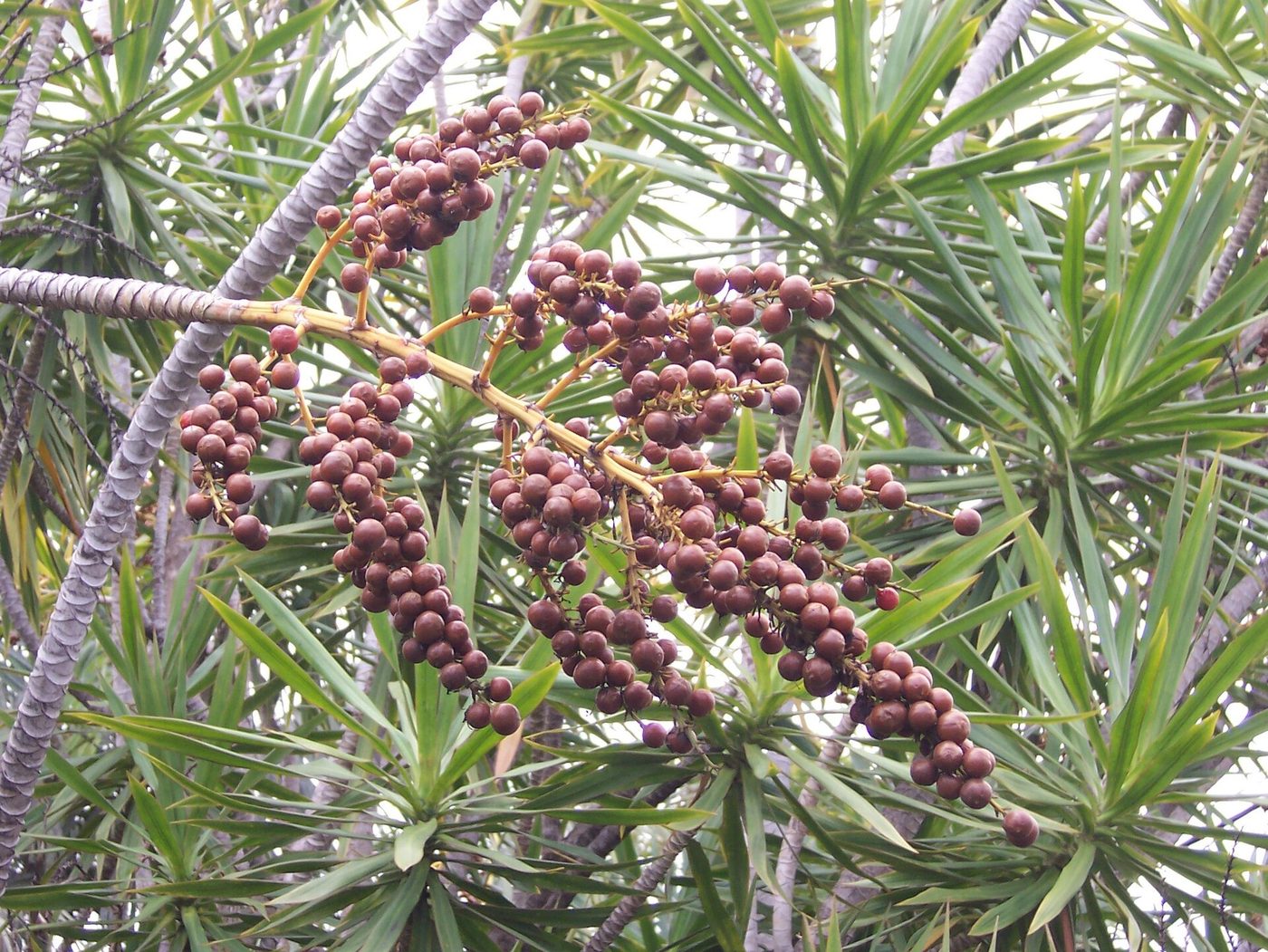
Song of India is an elegant small houseplant tree with slender, sinuous stems and narrow, glossy, evergreen leaves.
Characteristics
Description
Dracaena reflexa, often sold as Song of India, is an evergreen shrub or small tree of the asparagus family. It is much loved as a houseplant for its elegant habit: slender, often branched and sinuous stems, topped with tufts of narrow, lance-shaped, glossy leaves of deep green, sometimes cream-edged in ornamental varieties. The species name reflexa refers to the backward-curving leaves.
Origin
It is native to Mozambique, Madagascar, Mauritius and other islands of the Indian Ocean, where it grows into a small tree. In our homes it stays more compact and grows slowly.
Cultivation and care
It is a sturdy, easy houseplant. It likes bright but indirect light and dislikes strong direct sun. It wants a rich, well-drained mix kept lightly moist: water regularly, letting the surface dry between waterings, reducing water in winter. It enjoys warm rooms and good humidity, with misting of the leaves.
- Place in a bright spot, without direct sun
- Avoid cold draughts and temperatures below 13 °C
- Clean dust from the leaves and mist them
Caution and facts
Like other dracaenas, it is toxic to cats and dogs if they chew the leaves, causing gastrointestinal upset: keep it out of their reach. Like many broad-leaved houseplants, it is also valued for helping to make indoor air feel more pleasant.
Flowering season
Practical tips
Water needs: Moderate — always check soil moisture before watering.
Prefers Bright indirect light: provide the right light and rotate the plant for even growth.
Recommended soil: Rich, well-drained, slightly acidic. Refresh the substrate every 1-2 years.
Dust the leaves with a damp cloth to support photosynthesis.
Feed during the growing season (spring-summer) and stop in winter.
Pros
- Elegant, evergreen habit
- Sturdy and easy to grow indoors
- Suitable even for the inexperienced
Cons
- Toxic to cats and dogs
- Dislikes cold and draughts
- Slow growth