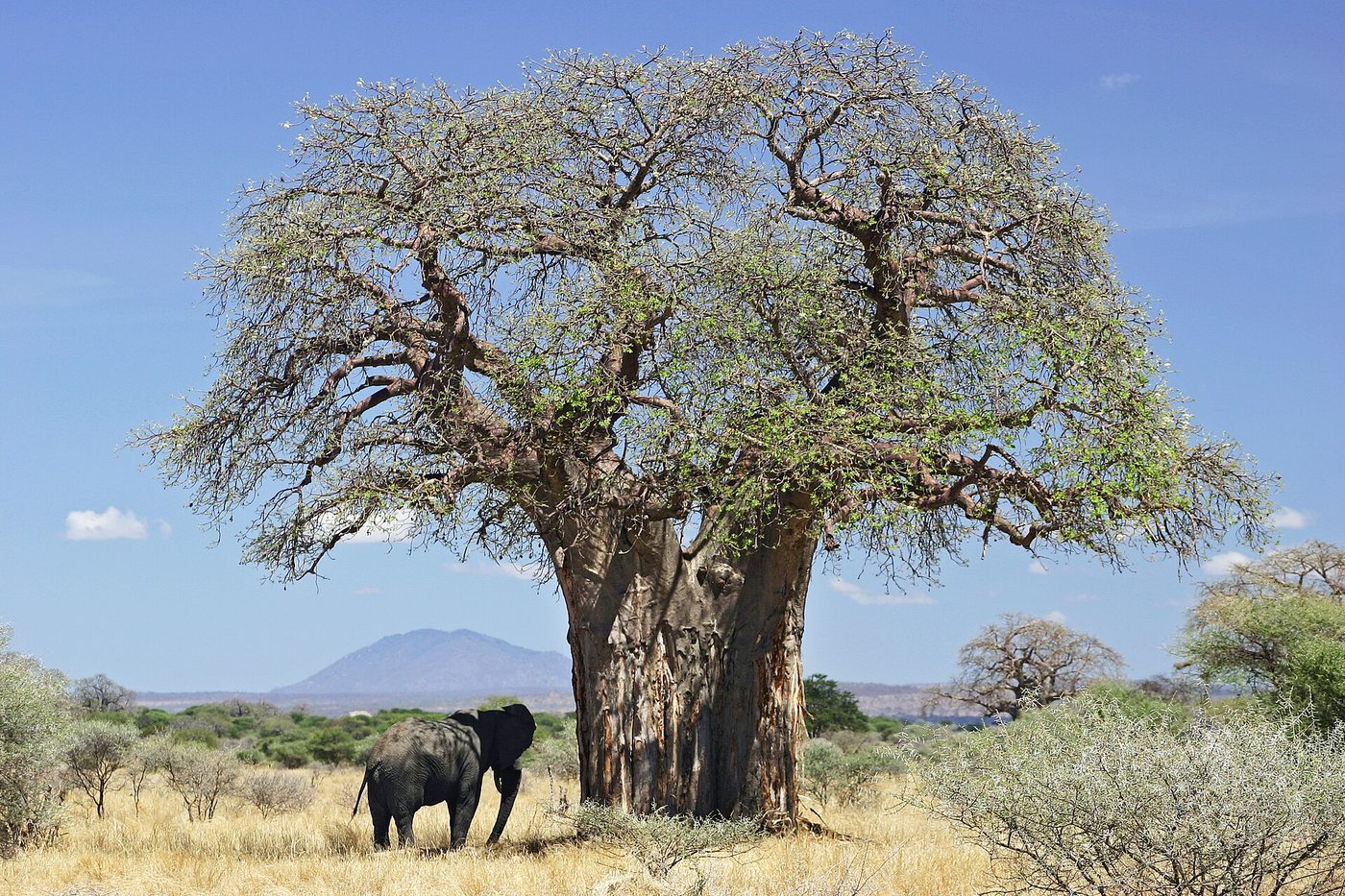
African baobab
Adansonia digitata
With its enormous trunk and branches that look like roots turned to the sky, the African baobab is a thousand-year-old tree, a symbol of the savanna and a reserve of life.
Characteristics
The upside-down tree of the savanna
The African baobab is one of the most iconic and fascinating trees on the planet. Its most surprising feature is its trunk: enormous, swollen and bottle-shaped, it can reach impressive diameters. Compared with this imposing bulk, the crown appears almost slender, with gnarled branches that, bare in the dry season, look like roots reaching towards the sky. It is from this image that the famous legend of the 'upside-down tree' arises, planted the wrong way up by some mysterious force.
Habitat and distribution
It grows in the arid and semi-arid regions of sub-Saharan Africa, where it dominates the savanna landscapes. It is perfectly adapted to long periods of drought: its spongy trunk works like a giant water reserve, storing the moisture of the short rainy season to face the dry months. Its deep roots and thick bark complete its adaptations to a harsh environment.
A tree that gives life
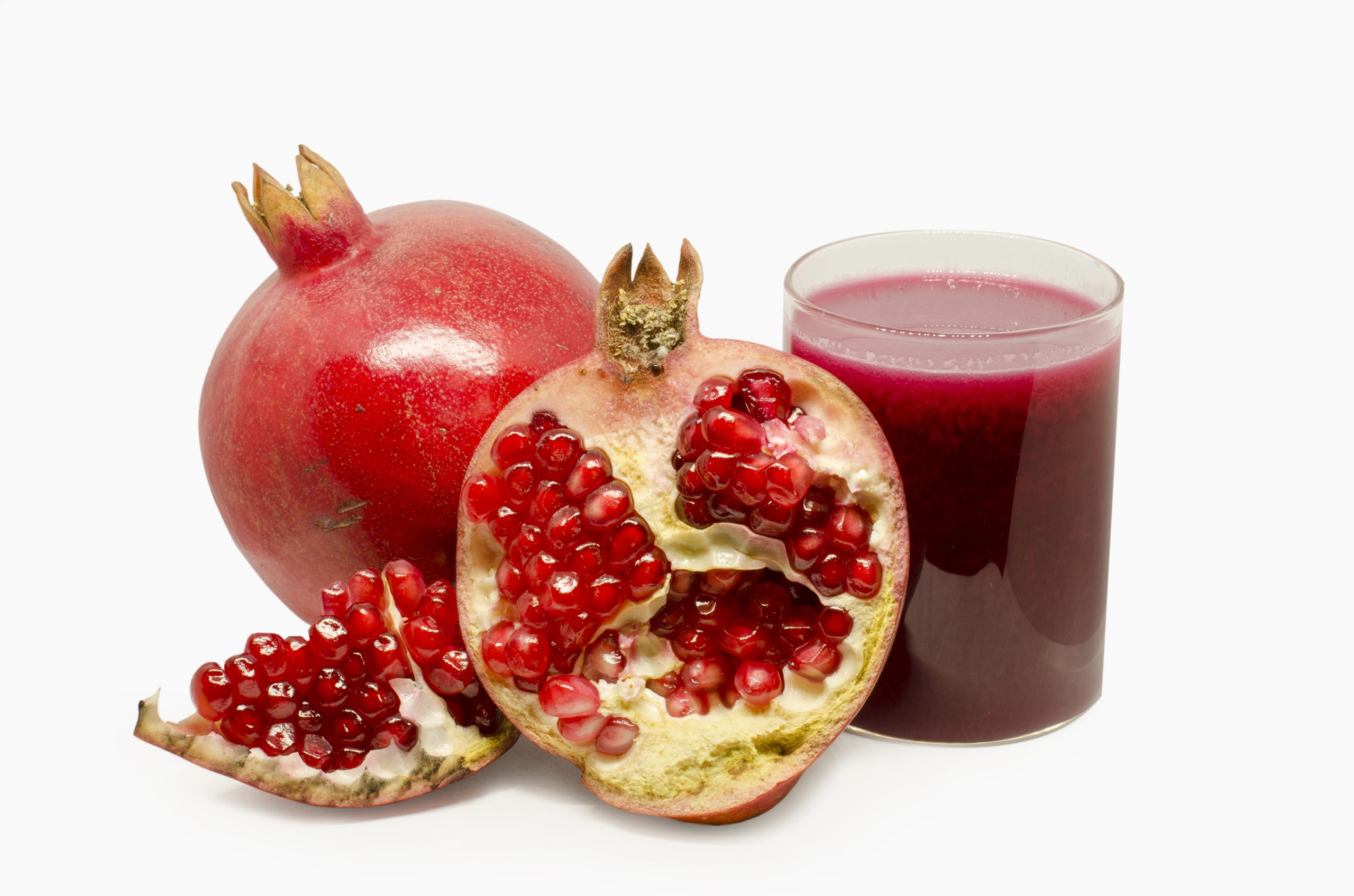
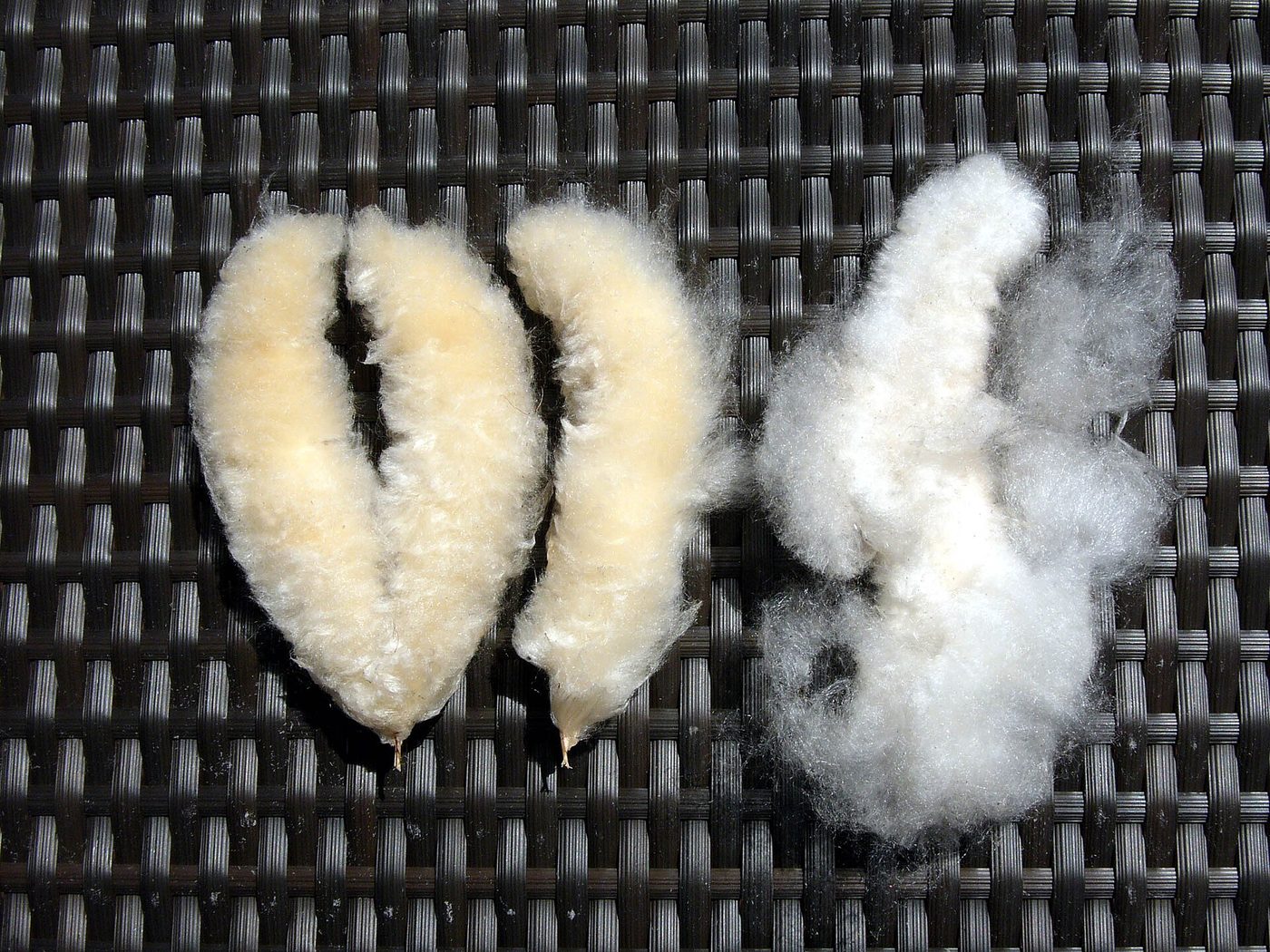
The baobab is much more than a plant: it is a true pillar of the ecosystem and of local cultures. Its large white flowers, which open at night, are pollinated mainly by bats. Its fruit, with pulp rich in vitamins, is a precious food, as are its leaves. The hollow trunk of giant specimens has sometimes been used by people as a shelter, store or water-collection point. Countless animals find food and refuge among its branches.
Longevity and curiosities
The baobab is famous for its extraordinary longevity: some specimens have reached an age of thousands of years, becoming true living monuments. For this reason, in many African cultures it is considered a sacred tree, a place of meeting and memory for the communities that live at its foot.
Conservation
Although widespread, the African baobab today faces new challenges: in recent times the death of some very ancient specimens has been observed, a phenomenon probably linked to climate change. Protecting these giants and the savanna environments in which they live is important not only for the tree itself, but for the entire web of life that depends on it.
Practical tips
Water needs: Low: it stores water in its trunk — always check soil moisture before watering.
Prefers Full sun: provide the right light and rotate the plant for even growth.
Recommended soil: Well-draining, typical of arid zones. Refresh the substrate every 1-2 years.
Dust the leaves with a damp cloth to support photosynthesis.
Feed during the growing season (spring-summer) and stop in winter.
Pros
- Iconic, long-lived tree, living even for millennia
- Trunk that stores water, adapted to drought
- Nutritious and useful fruit and leaves
- Vital for the savanna ecosystem
Cons
- Does not tolerate frost
- Slow overall growth
- Some very ancient specimens are suffering from the climate