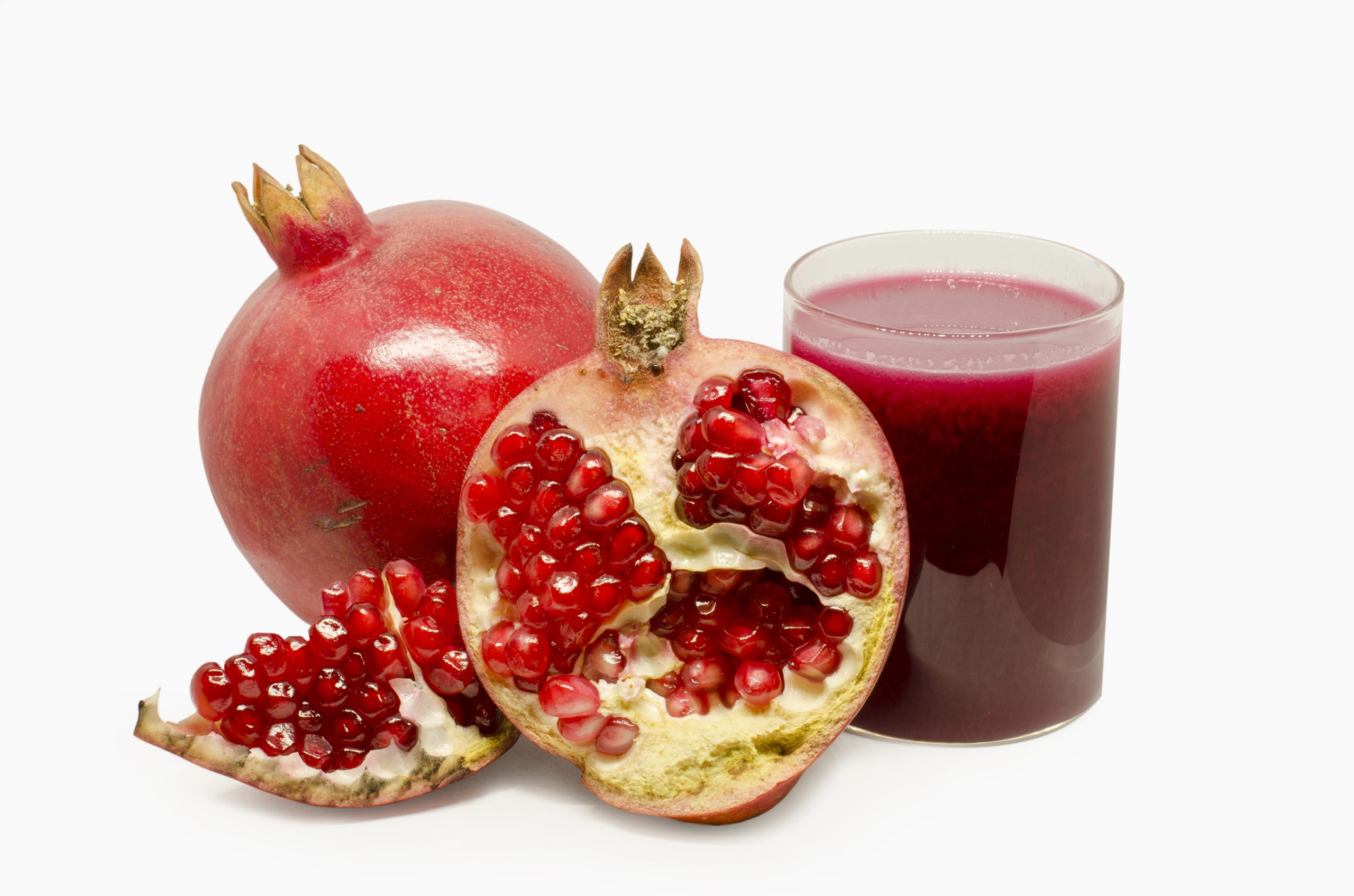
Pomegranate Tree: How to Grow for Red Flowers and Fruit
Punica granatum
Growing pomegranate: small Mediterranean tree with spectacular red flowers and autumn golden antioxidant-rich fruit.
Characteristics
The pomegranate is a small Mediterranean tree or shrub, loved for its spectacular red-orange summer blossoms and the antioxidant-rich golden fruit ripening in autumn. It grows vigorously in full sun on fertile, well-drained soil, tolerating drought, heat and cold down to -10 °C.
Flowering season
Practical tips
Water needs: bassa — always check soil moisture before watering.
Prefers pieno sole: provide the right light and rotate the plant for even growth.
Recommended soil: fertile drenante. Refresh the substrate every 1-2 years.
Dust the leaves with a damp cloth to support photosynthesis.
Feed during the growing season (spring-summer) and stop in winter.