Kapok tree
Ceiba pentandra
A giant of the tropical forests, with imposing buttress roots and seeds wrapped in a soft silky fibre, the kapok tree is among the most majestic trees of the Americas.
Characteristics
A giant of the tropical forests
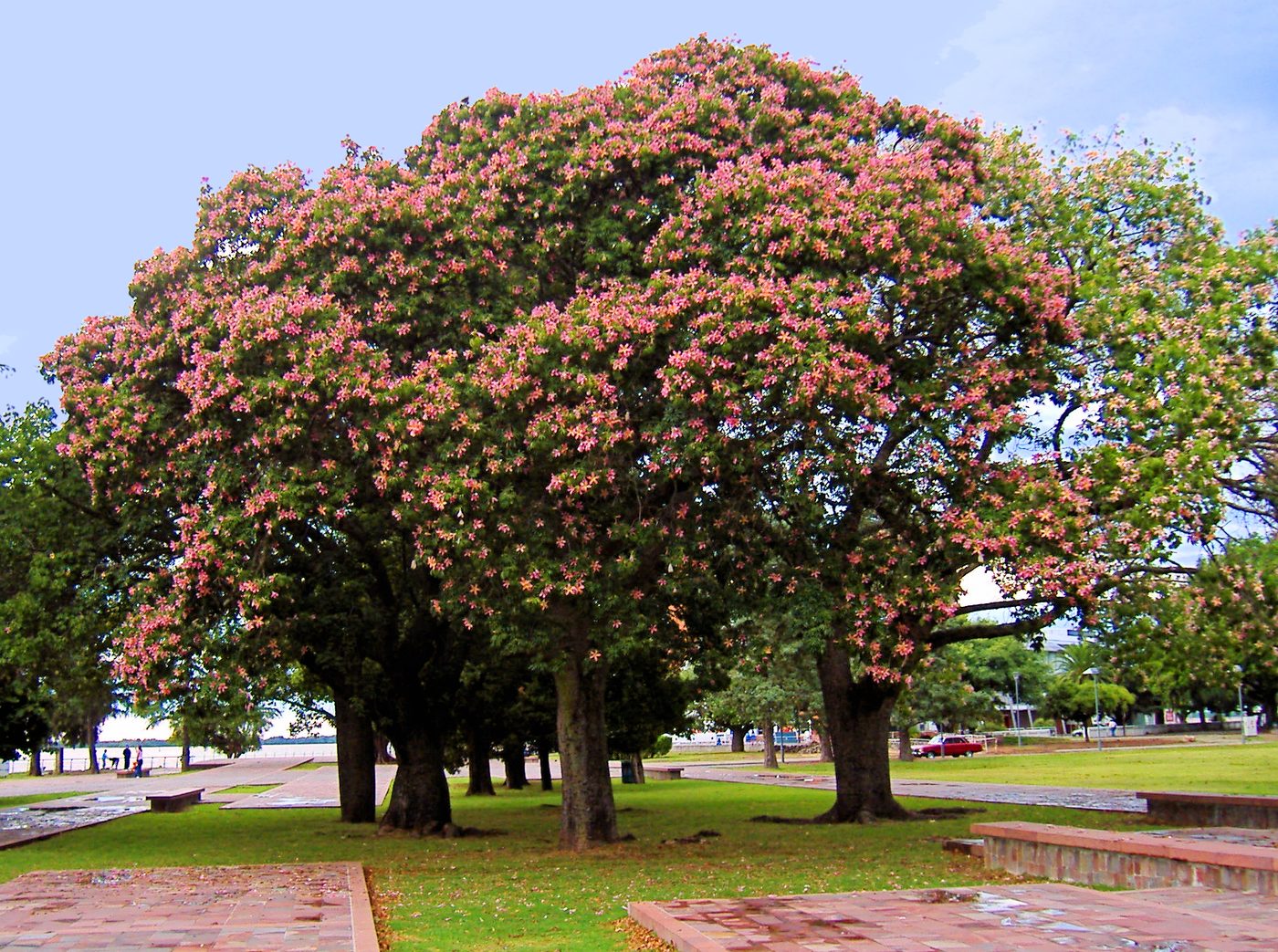
The kapok tree, or ceiba, is one of the most imposing trees of tropical America, capable of reaching extraordinary heights and towering above the forest canopy. Its trunk is straight and massive, often bristling with large spines when the tree is young, and at the base it widens into enormous buttress roots that extend like walls to support the plant's weight. Its crown, broad and flattened, opens out like an umbrella at the top of the trunk. It is a deciduous tree, which in the dry season produces flowers pollinated mainly by bats.
Origin and distribution
It is native to tropical America, from Mexico and Central America to the Caribbean and the north of South America; some also consider it native to western and central Africa. Thanks to its usefulness and grandeur it has been introduced and cultivated in many other tropical regions, including South and Southeast Asia.
Kapok and its uses
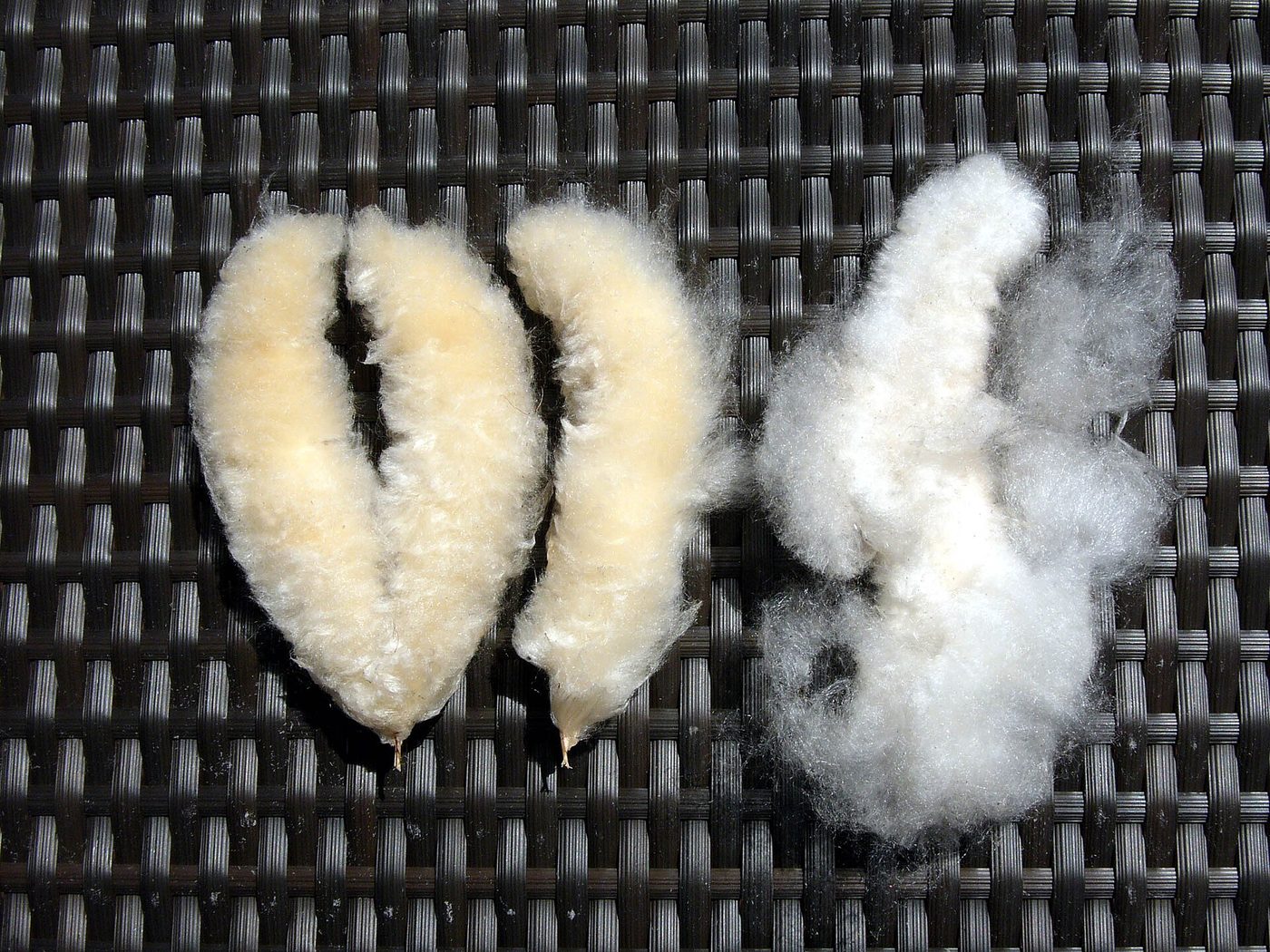
Its most famous feature is its fruit: large capsules which, on opening, release the seeds wrapped in a soft, extremely light and shiny fibre, called kapok. This fibre, water-resistant and buoyant, has historically been used to stuff pillows, mattresses, life jackets and other objects. An oil is also obtained from the seeds. The light wood is used in carpentry and for building boats.
Cultivation, culture and conservation
It loves warm climates and full sun, fears frost and grows very rapidly when young. It is classified as a species of least concern. Because of its majestic size it has always been laden with meaning: among the Maya the ceiba was considered the sacred tree par excellence, the world tree connecting sky, earth and the underworld, and it remains an important symbol in many tropical cultures.
Practical tips
Water needs: Moderate, tolerates the dry season — always check soil moisture before watering.
Prefers Full sun: provide the right light and rotate the plant for even growth.
Recommended soil: Deep, fertile and well-drained. Refresh the substrate every 1-2 years.
Dust the leaves with a damp cloth to support photosynthesis.
Feed during the growing season (spring-summer) and stop in winter.
Pros
- Among the most majestic trees of the Americas
- Silky fibre (kapok), light and water-resistant
- Imposing buttress roots
- Sacred tree in many cultures
Cons
- Enormous size, needs a lot of space
- Fears frost, tropical climates only
- Spiny trunk when young