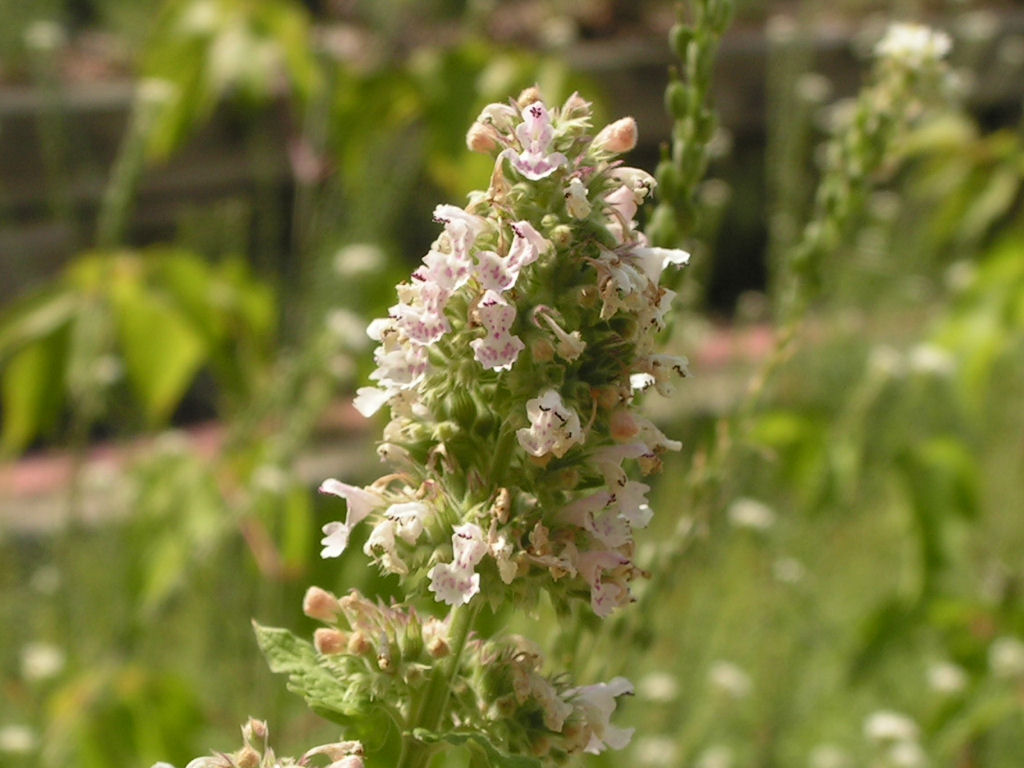
Catnip: How to Grow the Nepeta Cats Go Crazy For
Nepeta cataria
Growing catnip: perennial herb whose scent attracts cats. Full sun, well-drained soil, hardy and bee-friendly, great in herb gardens and borders.
Characteristics
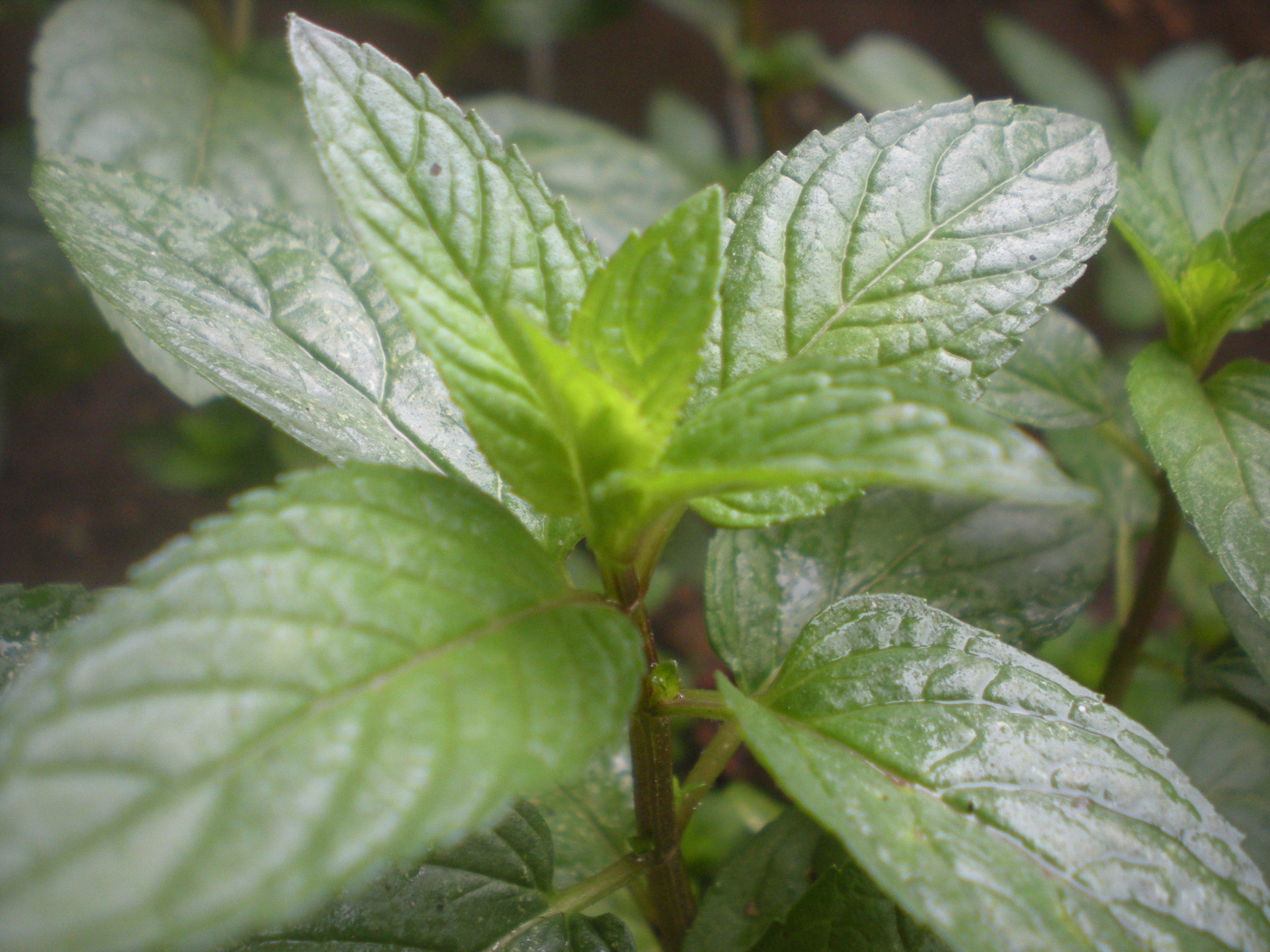
Catnip (Nepeta cataria) is a perennial herb with grey-green leaves and small white-lilac flowers, famous for the euphoric effect its scent (nepetalactone) has on cats. It grows fast in full sun on well-drained soil, hardy and rich in nectar. Great in herb gardens, borders and wildlife gardens.
Flowering season
Practical tips
Water needs: media — always check soil moisture before watering.
Prefers pieno sole: provide the right light and rotate the plant for even growth.
Recommended soil: drenante medio. Refresh the substrate every 1-2 years.
Dust the leaves with a damp cloth to support photosynthesis.
Feed during the growing season (spring-summer) and stop in winter.