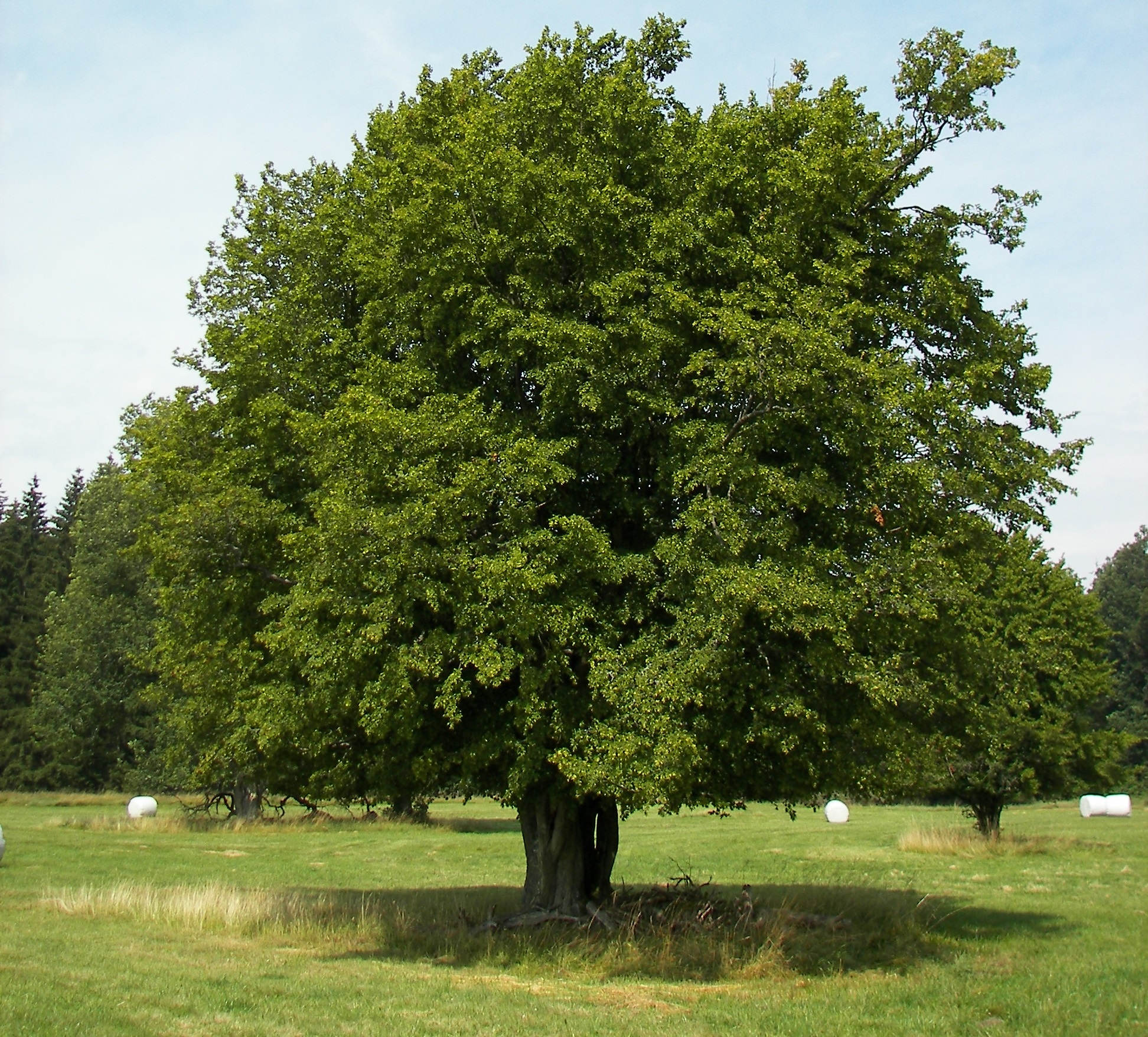
Hornbeam: The Ideal Tree for Tall, Formal Hedges
Carpinus betulus
Growing hornbeam: hardy broadleaf perfect for formal hedges. Partial shade, fresh soil, tolerates hard pruning and holds dry leaves through winter.
Characteristics
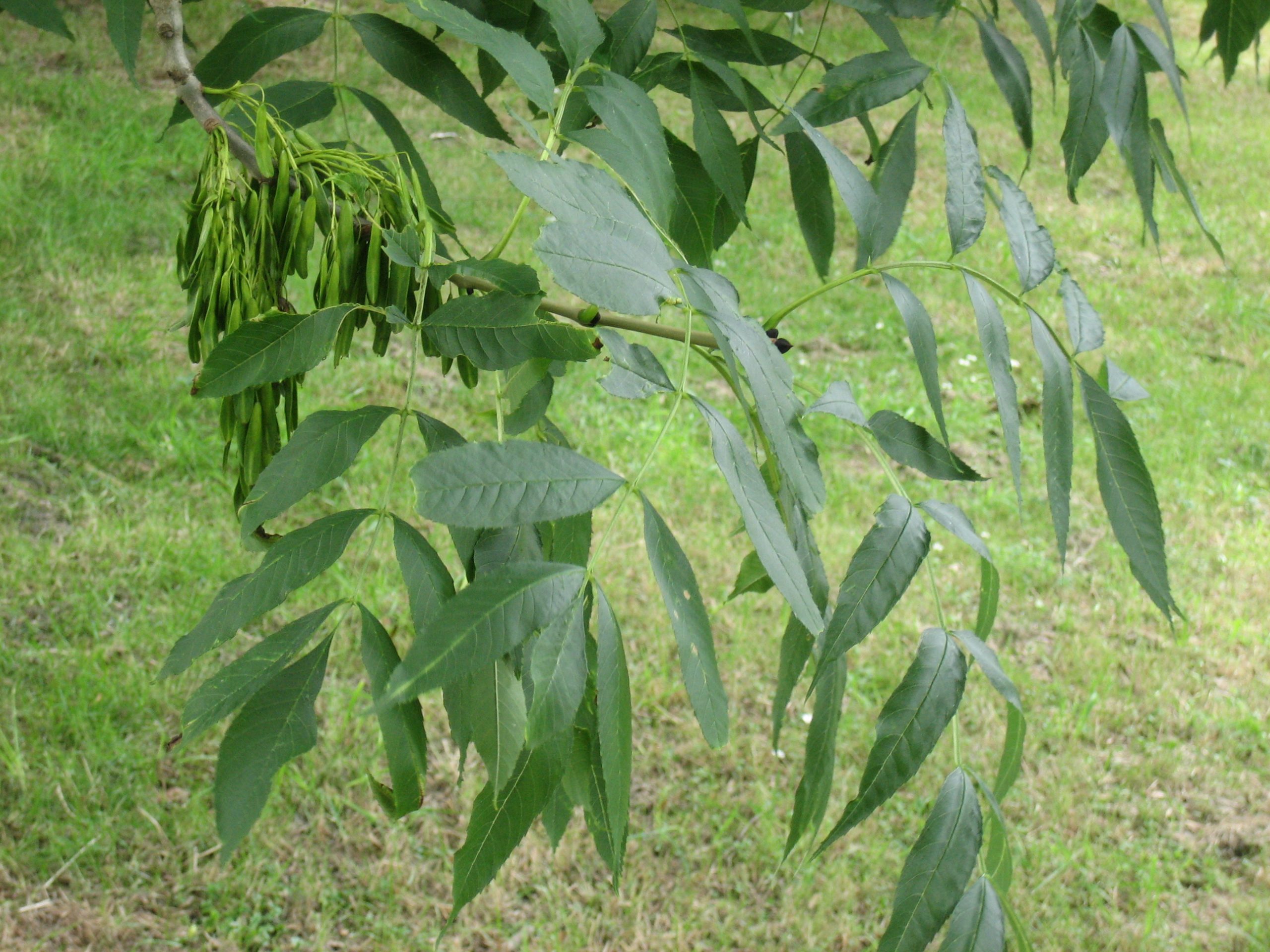
Hornbeam (Carpinus betulus) is a hardy broadleaf tree with a dense crown, the classic choice for tall formal hedges. It grows in partial shade on fresh, fertile soil and tolerates severe pruning. Marcescence keeps the dry leaves on through winter, providing year-round screening.
Flowering season
Practical tips
Water needs: media — always check soil moisture before watering.
Prefers mezz'ombra: provide the right light and rotate the plant for even growth.
Recommended soil: fresco fertile. Refresh the substrate every 1-2 years.
Dust the leaves with a damp cloth to support photosynthesis.
Feed during the growing season (spring-summer) and stop in winter.