Scots Pine: Conifer Characteristics and Natural Habitat
Pinus sylvestris
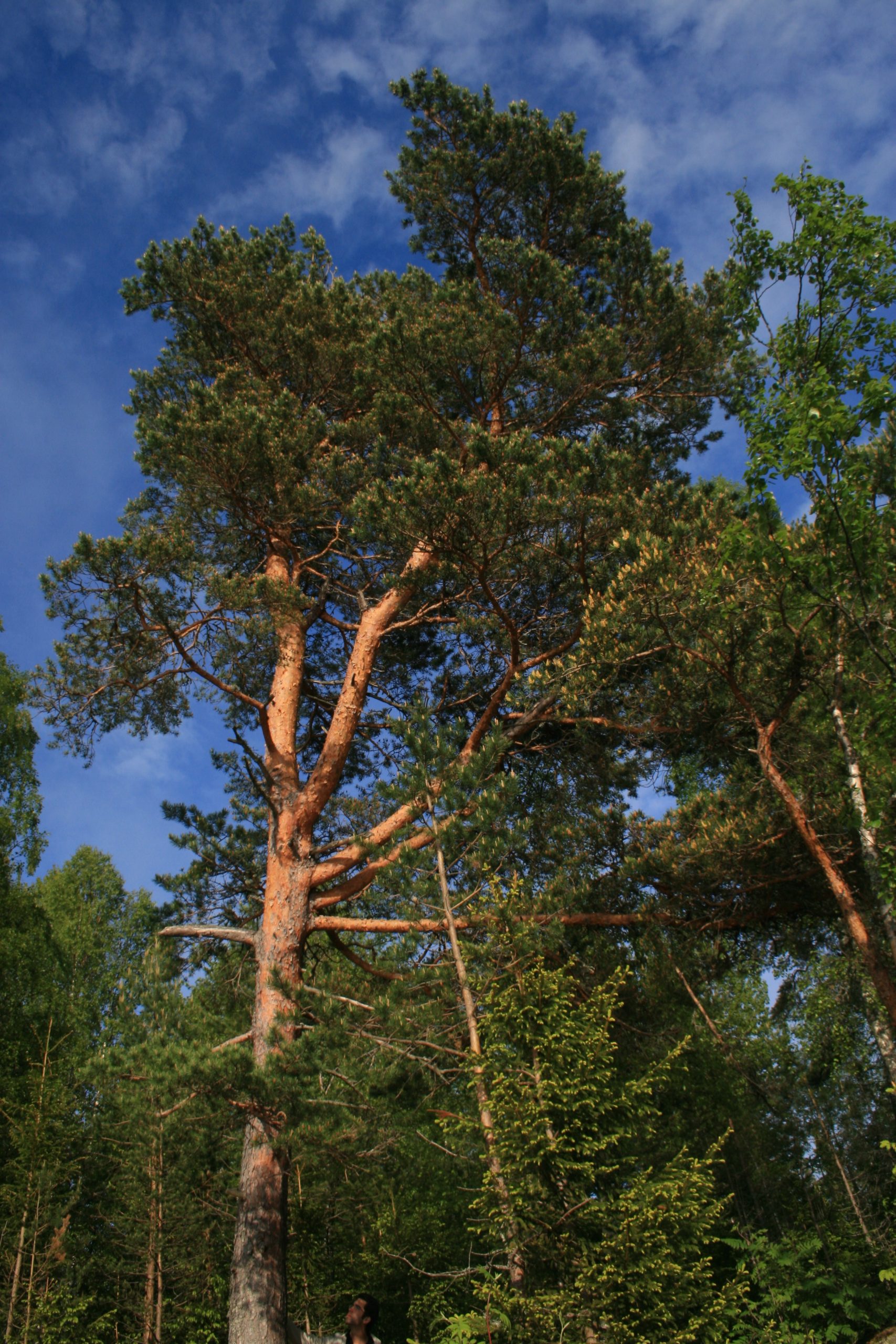
Scots Pine: long-lived conifer with distinctive orange bark. Grows in full sun, tolerates extreme frost, iconic of Alpine landscapes.
Characteristics
Scots Pine is a long-lived conifer widespread across Europe, recognisable by its distinctive orange-red bark on the upper trunk. It thrives in full sun on sandy, acidic soils, withstanding extreme frost down to -40 °C. Typical of the Alps, Apennines and northern heaths.
Flowering season
Practical tips
Water needs: bassa — always check soil moisture before watering.
Prefers pieno sole: provide the right light and rotate the plant for even growth.
Recommended soil: sabbioso acido. Refresh the substrate every 1-2 years.
Dust the leaves with a damp cloth to support photosynthesis.
Feed during the growing season (spring-summer) and stop in winter.