Field Elm: The Hardy Tree of Plains and Country Hedgerows
Trees

Field Elm: The Hardy Tree of Plains and Country Hedgerows

Ulmus minor

Growing field elm: hardy lowland broadleaf with a broad crown. Full sun, fresh fertile soil, ideal in tree lines, parks and rural hedgerows.

Characteristics

Scientific nameUlmus minor
Height20-30 m
Sunlightpieno sole
Watermedia
Soilfresco fertile
Toxicitynon tossica
Growthmedia
Temperature-20 a 35 °C
FloweringFeb, Mar
IrrigationWater during summer in the first years after planting; mature trees are self-sufficient except in prolonged drought.

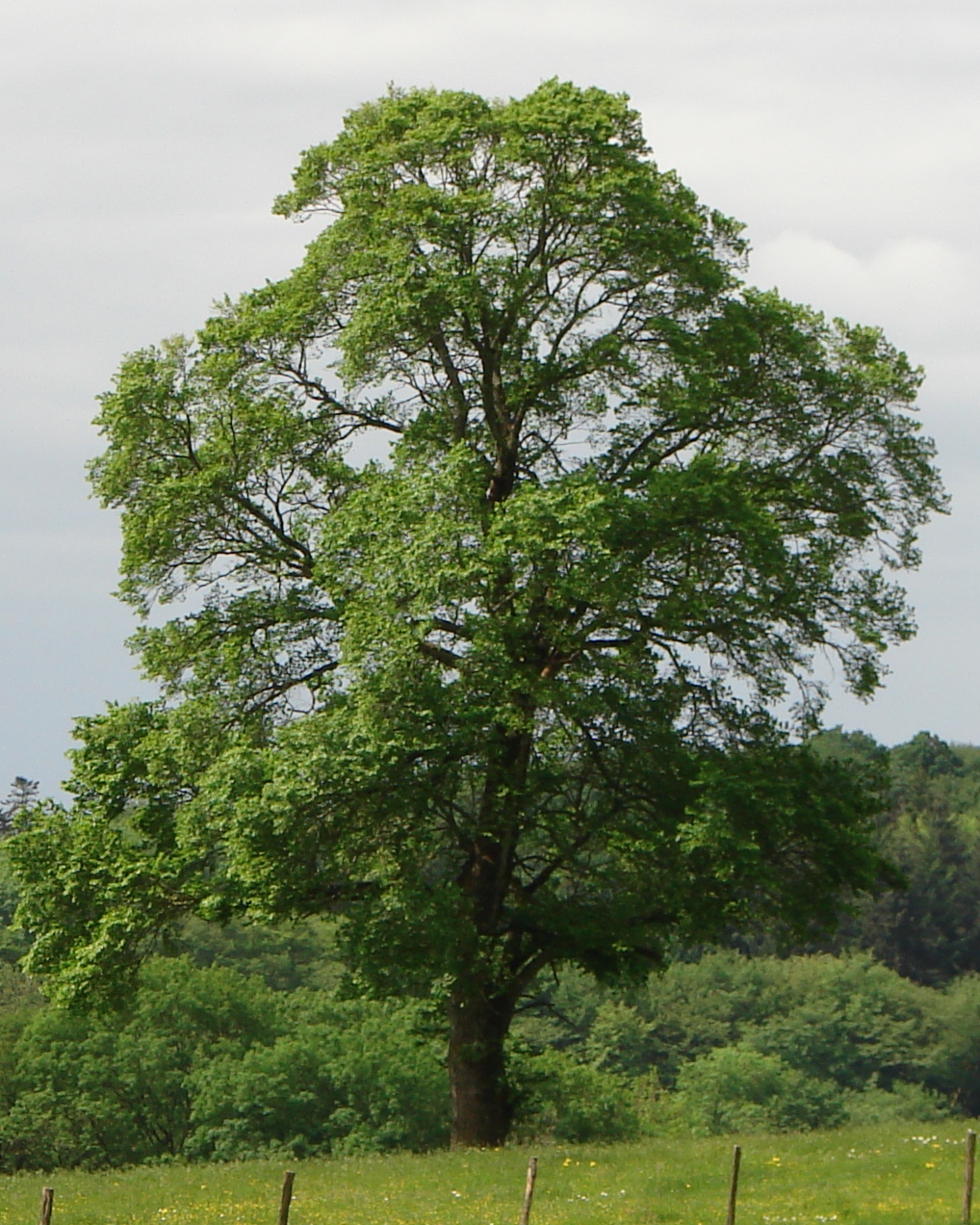
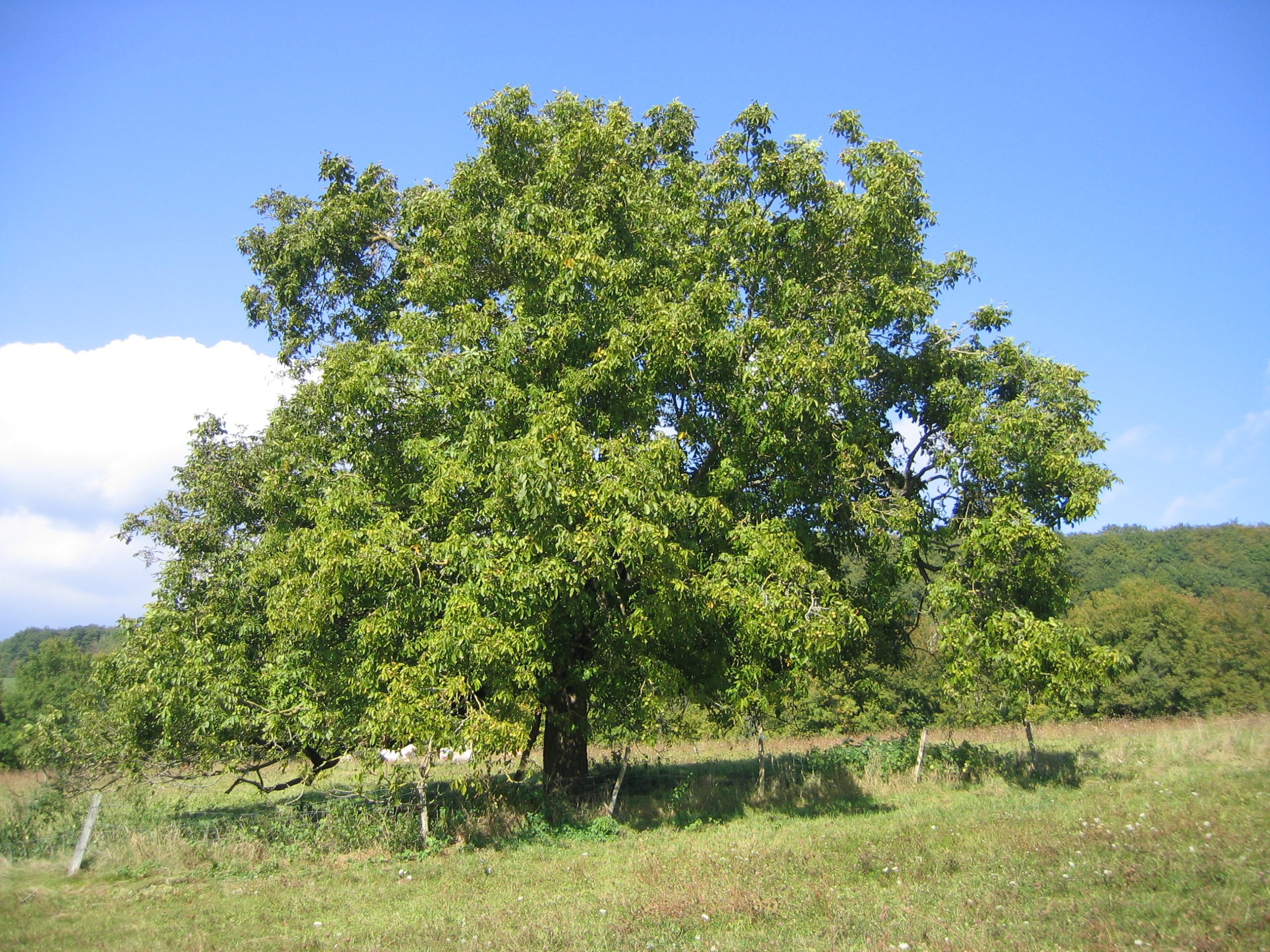
Field elm (Ulmus minor) is a hardy native broadleaf tree with a broad, dense crown, typical of plains, tree lines and rural hedgerows. It grows in full sun on fresh, fertile soil and copes well with both heat and cold. It flowers before the leaves emerge, between February and March.

Flowering season

JanFebMarAprMayJunJulAugSepOctNovDec

Practical tips

Watering

Water needs: media — always check soil moisture before watering.

Position

Prefers pieno sole: provide the right light and rotate the plant for even growth.

Substrate

Recommended soil: fresco fertile. Refresh the substrate every 1-2 years.

Leaves

Dust the leaves with a damp cloth to support photosynthesis.

Feeding

Feed during the growing season (spring-summer) and stop in winter.
FAQ

What is Dutch elm disease?
It is a fungal disease spread by bark beetles that devastated European elms through the 20th century. Today, selected resistant cultivars are planted, which are far better suited to new plantings.
Is field elm suitable for small gardens?
At maturity it reaches 20-30 m, so it is not suited to small spaces. For small gardens, dwarf cultivars or the more compact Siberian elm are preferred and easier to manage.

You may also like