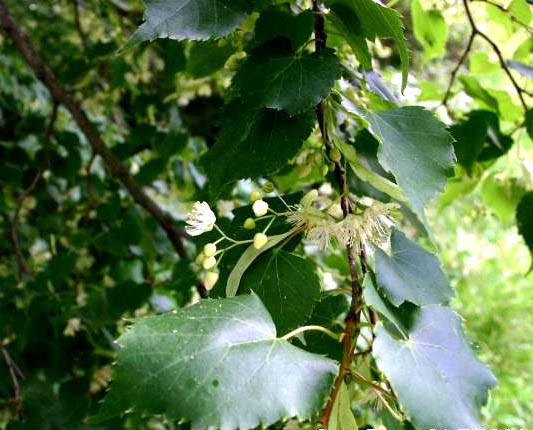
Small-Leaved Lime: Tree Features, Flowers and Tea Benefits
Tilia cordata
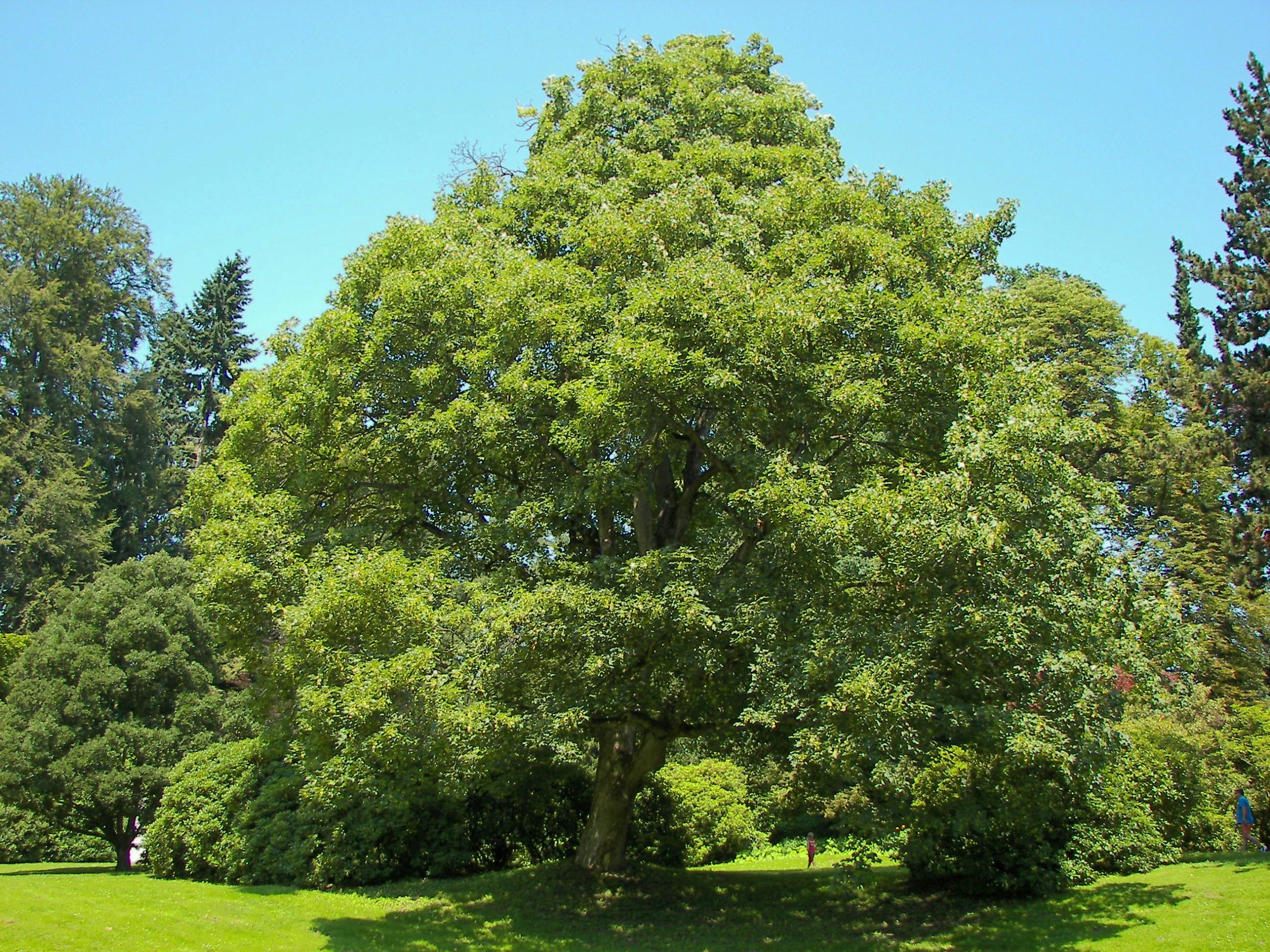
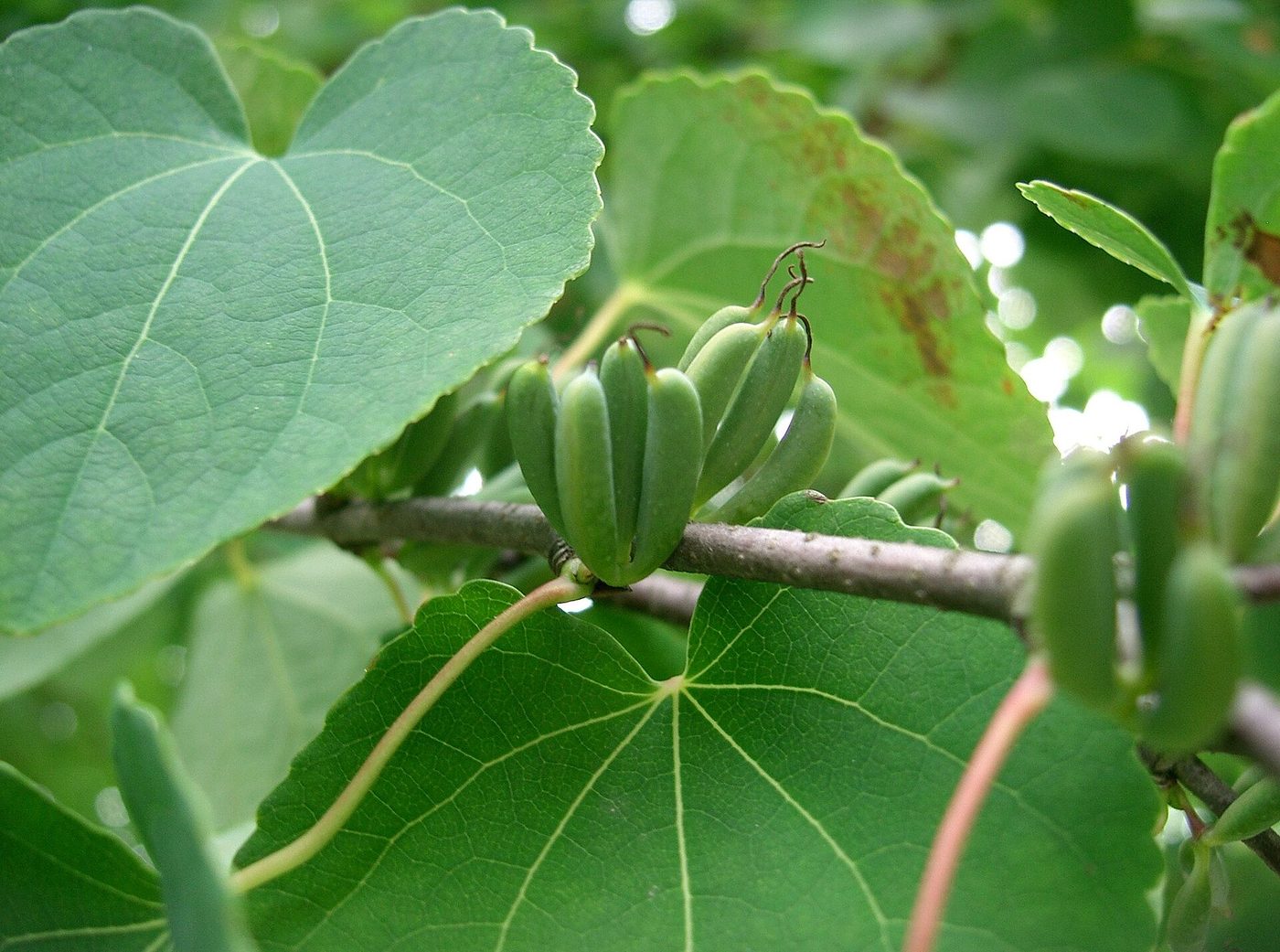
Small-Leaved Lime: long-lived tree with intensely fragrant yellow flowers. Used in calming herbal teas, shades European parks and avenues.
Characteristics
The Small-Leaved Lime is a long-lived majestic tree, widespread across Europe and loved for its intensely fragrant yellow flowers blooming in June. It grows vigorously in full sun on fertile fresh soil, withstanding frost down to -30 °C. The dried flowers are the base for calming herbal teas.
Flowering season
Practical tips
Water needs: media — always check soil moisture before watering.
Prefers pieno sole: provide the right light and rotate the plant for even growth.
Recommended soil: fertile fresco. Refresh the substrate every 1-2 years.
Dust the leaves with a damp cloth to support photosynthesis.
Feed during the growing season (spring-summer) and stop in winter.