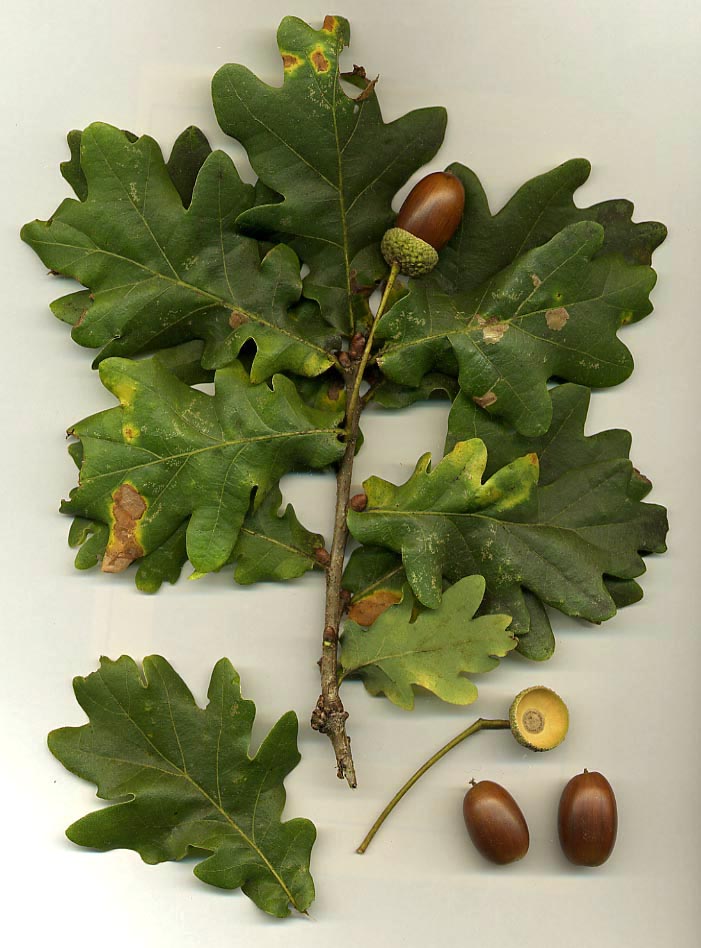
English Oak: Characteristics, Longevity and Natural Habitat
Quercus robur
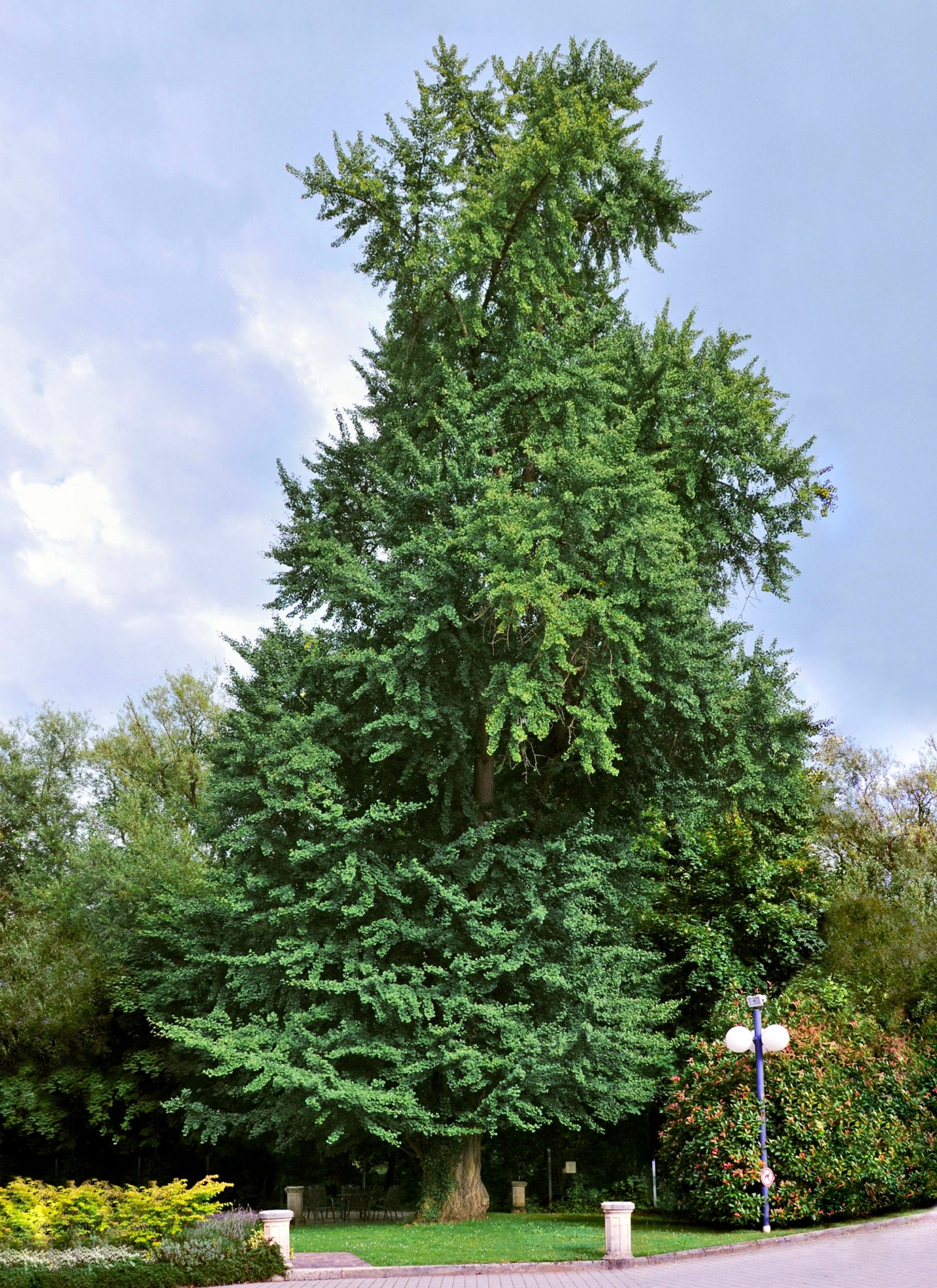
English Oak: long-lived tree, symbol of strength, can live over 1000 years. Full sun, cold-hardy, produces acorns each autumn.
Characteristics
The English Oak is one of the longest-lived and most majestic broadleaf trees in Europe, a symbol of strength and endurance. It thrives in deep clay soils and full sun, withstanding hard frost and drought. It produces acorns each autumn and can live well over 1,000 years.
Flowering season
Practical tips
Water needs: bassa — always check soil moisture before watering.
Prefers pieno sole: provide the right light and rotate the plant for even growth.
Recommended soil: argilloso profondo. Refresh the substrate every 1-2 years.
Dust the leaves with a damp cloth to support photosynthesis.
Feed during the growing season (spring-summer) and stop in winter.