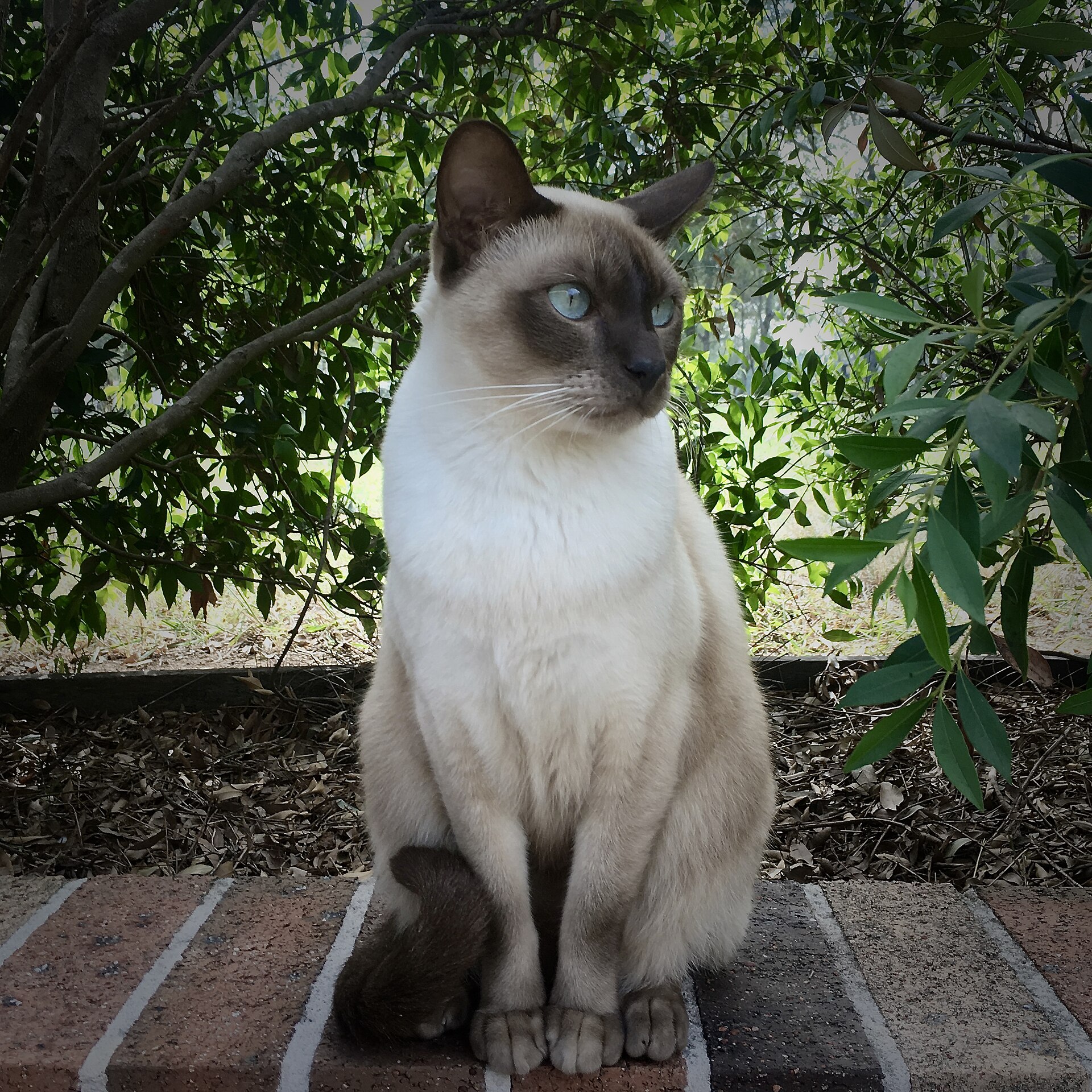
Tonkinese
Characteristics
Temperament
An extremely affectionate, sociable, playful and intelligent domestic cat, strongly bonded to people. It inherits the best of its "parents" the Burmese and the Siamese: the Siamese's liveliness and communicativeness (but with a softer, less insistent voice) and the Burmese's attachment. It is a "clingy" companion cat that actively seeks contact, follows the family, loves play and can learn to fetch and respond to its name. It suffers greatly from loneliness: it is NOT suited to those almost always away from home. It gets along with children and other animals, and is an engaging, interactive companion.
Diet
An obligate carnivore like all cats: it needs a complete, balanced food rich in quality animal protein, suited to age, weight and lifestyle, with the right supply of taurine and always-fresh water. Muscular and greedy, it can tend to overweight: portions should be carefully controlled. Given the good longevity, it is important to adapt the diet to the different life stages, with attention to the senior years. Given its intelligence, food games are excellent for keeping it engaged. Coat care is minimal, thanks to the short, silky coat.
The Tonkinese is one of the most affectionate and sociable cat breeds, born from the meeting of two great classics: the Burmese and the Siamese. It blends their look and character, giving rise to a balanced cat, with the famous "mink" coat and aquamarine eyes. Famous for:
- The hybrid origin: it is the "child" of the Burmese and the Siamese, combining their traits
- The "mink" coat: a middle ground between the Siamese's colorpoint and the Burmese's sepia
- The aquamarine eyes: the most characteristic eye colour of the mink variety
- The "medium" body: neither as slender as the Siamese nor as cobby as the Burmese
- The very sociable nature: affectionate, playful and strongly bonded to people
- The soft voice: communicative, but less "talkative" than the Siamese
It enters the portal among the shorthaired cats, ideally alongside its two "parents" — the Siamese and the Burmese, both already present: a perfect example of a bridge breed that unites the characteristics of two classic breeds in a balance all its own.
Classification and category
The Tonkinese is a Felis catus, a shorthaired domestic breed developed, mainly in North America in the mid-20th century, by crossing the Burmese and the Siamese to obtain a cat "intermediate" between the two. In the portal it is placed among the shorthaired cats. It is useful to tell it apart from its parents and similar breeds: the Siamese (in the portal) — more slender and angular, with highly contrasted points and intense blue eyes; the Burmese (in the portal) — more compact and "full", with a low-contrast sepia coat and golden eyes; the Tonkinese sits in the middle: a medium-sized body, a mink coat of soft contrast and, in the classic variety, aquamarine eyes; the Snowshoe and other "pointed" breeds — different in pattern (with typical white feet in the Snowshoe). There are actually three coat types in the Tonkinese: the mink (the most typical, intermediate), the pointed (Siamese-like) and the sepia (Burmese-like); but it is the mink, with aquamarine eyes, that represents the breed's "soul". Etymology: the name "Tonkinese" recalls Tonkin, a region of Vietnam, in homage to its parents' Asian origins. As with other breeds (Somali, Korat), the name has an evocative rather than geographic value: the Tonkinese does not actually come from there. Parameters: Weight roughly 3-5.5 kg; like the Burmese, it is heavier than it looks. Build medium, muscular, "intermediate" between Siamese and Burmese. Colours natural (mink), champagne, blue, platinum and others. Longevity: good, often 15 years and more, with a character that stays playful for a long time.
Habitat and distribution
The Tonkinese is a domestic breed: its "habitat" is the home, beside people. Some notes on origin and spread: origin developed mainly in North America (and then elsewhere) from the Burmese × Siamese cross; current spread present among pedigree-cat enthusiasts worldwide, appreciated above all for its character. The ideal environment for this cat: constant company (it is an extremely sociable cat that tolerates being alone for long poorly); play and interaction (lively, intelligent and curious, it loves games, attention and even learning little "tricks"); and indoor life (like many breeds, it does best as an indoor cat, involved in family life). Like its parents, the Tonkinese is a strongly "people-oriented" cat: it actively seeks contact, follows its people from room to room and wants to be involved in every activity. It is the classic companion cat, ideal for those who can devote time and presence to it, but not suited to those almost always away from home. Status: a well-established domestic breed; there are no conservation issues, but it is important to turn to serious, health-focused breeders.
Diet
The Tonkinese, like all cats, is an obligate carnivore and needs a diet rich in quality animal protein. In general: a complete, balanced cat food, suited to age (kitten, adult, senior), weight and lifestyle; animal protein as the basis, with the right supply of taurine and essential nutrients; and always-fresh water. Practical tips: attention to weight (muscular and greedy, it can tend to overweight if portions are not controlled); a diet for a long life (given the good longevity, feeding should be adapted to the life stages, especially in the senior years); and food as play (given its intelligence, dispensers and food games keep it active and engaged). Crucially, more than particular needs, the Tonkinese requires a well-measured quality diet and an environment rich in stimulation and company, in line with its lively, sociable nature.
Physical features
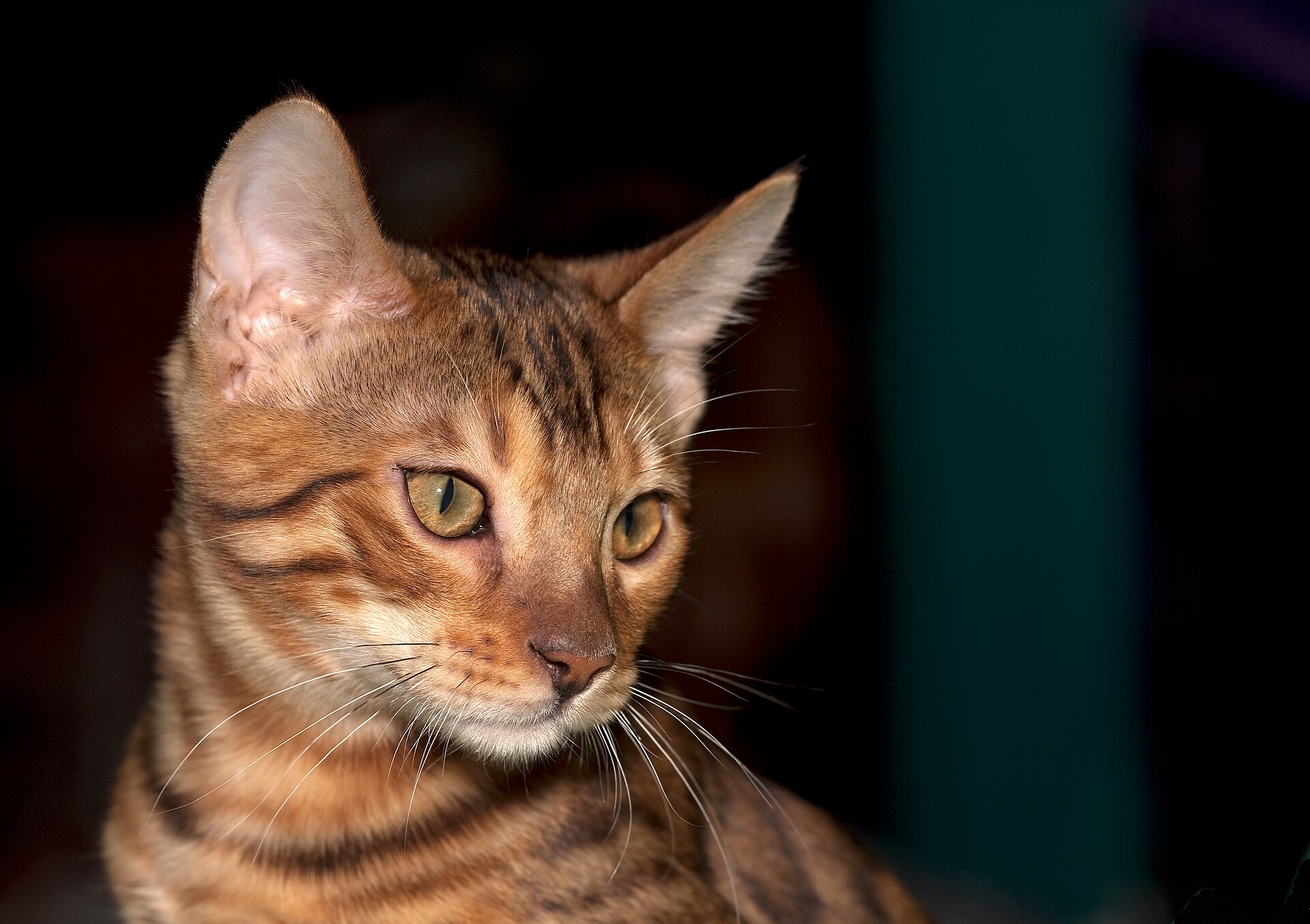
A medium-sized cat of harmonious appearance, "halfway" between its two parents. The "mink" coat — the distinguishing trait: short, fine, soft and glossy hair, close-lying; a mink pattern (a body of a warm tone with slightly darker points — muzzle, ears, legs, tail — of soft contrast, midway between the Siamese, very contrasted, and the Burmese, little contrasted); colours natural, champagne, blue, platinum and others. The eyes: in the mink variety, aquamarine eyes (blue-green), one of the breed's most fascinating traits; (in the pointed variants the eyes are blue, in the sepia green/gold). The body: a medium, muscular structure, surprisingly "firm" and heavy to the touch; intermediate shapes between the Siamese's slender elegance and the Burmese's compactness; and low shedding (the short, fine coat needs very little care).
Character, curiosities and care
The Tonkinese is famous for its extremely affectionate, sociable, playful character. It inherits the best of its parents: the Siamese's liveliness and communicativeness, but in a sweeter, less "noisy" version, and the Burmese's attachment to people. It is a companion cat that loves to take part in everything, follow its people and be cuddled.
The "halfway" cat: the Tonkinese is the intended result of a cross designed to unite the merits of the Burmese and the Siamese; its body, its coat and even its character lie at an intermediate point between the two breeds: more moderate and "soft" than the Siamese, more dynamic and contrasted than the Burmese. The aquamarine eyes: the eye colour is one of the most admired aspects of the mink Tonkinese: a luminous aquamarine, blue-green, that reflects its "intermediate" nature in its gaze too; curiously, the eye colour changes with the coat type: blue in the pointed, green-gold in the sepia, aquamarine in the mink. The evocative name: the name "Tonkinese" recalls Tonkin, in Vietnam, but it is a symbolic homage to its parents' Asian origins, not a real geographic provenance; it is a case similar to that of the Somali cat or the Korat, where the name tells a story or a bond rather than a real place of origin. The "clingy" dog-cat: like its parents, the Tonkinese is a cat deeply bonded to people, to the point of being described as "clingy" (a classic "velcro cat"); it wants company, can learn to play fetch and respond to its name, and suffers from loneliness; it is thus an ideal companion for those seeking an engaging, interactive cat. The bridge breed: the Tonkinese is a fine example of a "bridge breed" between two classic breeds; studying the Tonkinese alongside the Siamese and the Burmese helps one understand how selection can "mix" and balance different characteristics — colour, contrast, build, eye colour — into a new balance. Practical care: the Tonkinese needs above all company, play and stimulation, a well-measured diet (to avoid overweight) and minimal coat care, thanks to its short, silky coat. In return it offers a warm affection and an involved companionship, a true "family" cat.
Pros
- Carattere eccezionale: affettuosissimo, socievole, giocoso e interattivo
- Unisce il meglio di Siamese e Burmese, con voce più dolce del Siamese
- Bellissimo manto 'mink' e splendidi occhi acquamarina
- Molto longevo e con cure del pelo minime; ottimo gatto da famiglia
Cons
- Soffre molto la solitudine: NON adatto a chi è quasi sempre fuori casa
- Molto richiestivo di attenzioni e compagnia: vuole essere coinvolto in tutto
- Può tendere al sovrappeso se le razioni non sono controllate
- Facile da confondere, per il nome, con il Sacro di Birmania (Birman): sono razze diverse