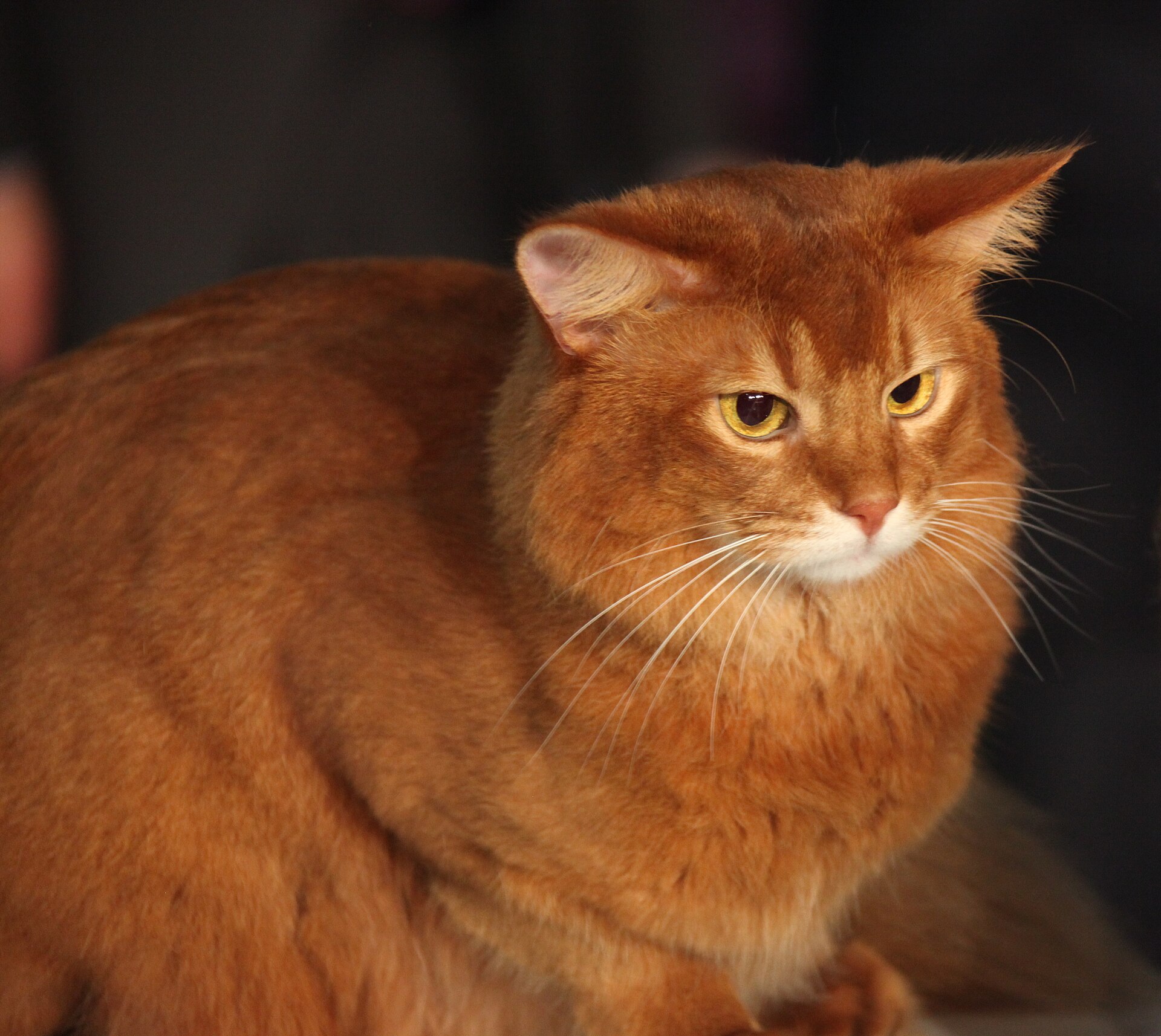
Somali Cat
Characteristics
Temperament
An extremely lively, athletic, curious and intelligent domestic cat: the semi-longhaired version of the Abyssinian, with which it shares the "volcanic" temperament. It loves to climb, explore, jump and play, and stays playful even as an adult. It is very bonded to people and involved in household life: more a dynamic, interactive companion than a placid lap cat. It suffers from boredom and loneliness, and is at its best with stimulation, play and company. Deft with its front paws, which it uses almost like little hands.
Diet
An obligate carnivore like all cats: it needs a complete, balanced food rich in quality animal protein, suited to age, weight and lifestyle, with the right supply of taurine and always fresh water. Being very active it tends to keep in shape, but it is wise to measure portions and avoid overweight. Its intelligence pairs well with dispenser-toys and food puzzles. Because of the semi-long coat, regular brushing and measures against hairballs are useful.
The Somali cat is one of the most fascinating semi-longhaired cat breeds: in practice, the "soft and furry" version of the Abyssinian, with which it shares the distinctive ticked coat and the volcanic temperament. Famous for:
- The "ticked" coat: each hair is banded with several colours, creating a luminous, shimmering effect
- The bushy "fox" tail: the plumed tail and ruff give it a vulpine air, hence the "fox cat" nickname
- The kinship with the Abyssinian: it is essentially the semi-longhaired Abyssinian
- The inexhaustible energy: very lively, athletic, always on the move
- The marked intelligence: curious, deft with its paws, able to open and manipulate objects
- The strong bond with people: sociable and involved in household life
It enters the portal among the longhaired cats, alongside the other semi-longhaired and longhaired breeds, and ideally pairs with the Abyssinian already present: same origin, same ticked coat, but longer fur and a spectacular tail.
Classification and category
The Somali is a Felis catus, a domestic breed derived directly from the Abyssinian: it arose from the semi-longhaired kittens that occasionally appeared in Abyssinian litters, due to a recessive longhair gene. In the portal it is placed among the longhaired cats (semi-longhairs). It is useful to tell it apart from similar or related breeds: the Abyssinian, also in the portal — same ticked coat, but shorthaired and without the plumed tail; the Somali is essentially its semi-longhaired variant; other semi-longhaired cats such as the Maine Coon or the Norwegian Forest Cat — much larger and sturdier, with a different coat (not uniformly ticked); and common longhaired red/ginger cats — lacking the characteristic agouti "ticking" that makes the Somali unmistakable. Etymology: the name "Somali" was chosen affectionately and symbolically — since the breed derives from the Abyssinian (the old name of Ethiopia), breeders named it "Somali" as the "next-door neighbour", since Somalia borders Ethiopia; it does not therefore indicate a real geographic origin of the breed, but the bond with the Abyssinian. Parameters: Weight roughly 3.5-5.5 kg, males larger than females. Build medium, lithe, muscular and elegant. Appearance large ears, almond eyes (amber or green), a very bushy tail. Longevity: good, on average 12-16 years with proper care. Reproduction: normal litters; the kittens are born with the coat still little "ticked", which fully defines itself only as they grow, even after many months.
Habitat and distribution
The Somali is a domestic breed, so its "habitat" is the home and life beside people. Some notes on origin and spread: development of the breed from the 1960s-70s, especially in North America and then in Europe, by selecting the semi-longhaired individuals that appeared among Abyssinians; current spread present among pedigree-cat enthusiasts worldwide, though remaining less common than many other breeds. The ideal environment for this cat: spaces to explore and climb (tall scratching posts, shelves, cat trees; it is a three-dimensional feline that loves being up high); stimulation and play (interactive toys, food puzzles, daily play sessions: it bores easily); and company (it loves the presence of people, and often of other animals; it tolerates prolonged solitude poorly). It is a cat suited above all to those who can devote attention and interaction. It typically lives indoors, possibly with access to safe outdoor spaces (a fenced garden, a catio): its curiosity and enterprise make it ill-suited to free roaming in dangerous environments. Status: a well-established domestic breed, with no conservation issues; as with all breeds, it is important to rely on serious, health-focused breeders.
Diet
The Somali, like all cats, is an obligate carnivore and needs a diet rich in quality animal protein. In general: a complete, balanced cat food, suited to age (kitten, adult, senior), weight and lifestyle; animal protein as the basis, with the right supply of taurine and essential nutrients; and fresh water always available (many cats like fountains). Practical tips: weight management (being very active, the Somali tends to keep in shape, but it is still important to measure portions and avoid overweight); food as stimulation (given its intelligence and drive, dispenser-toys and food puzzles are excellent for keeping it busy); and hairball management (the semi-long coat calls for attention, with regular brushing and, if needed, foods that help the passage of hairballs). Crucially, more than quantity, what counts for the Somali is the quality of the diet and its integration into an active, stimulating lifestyle, perfectly in line with its tireless nature.
Physical features
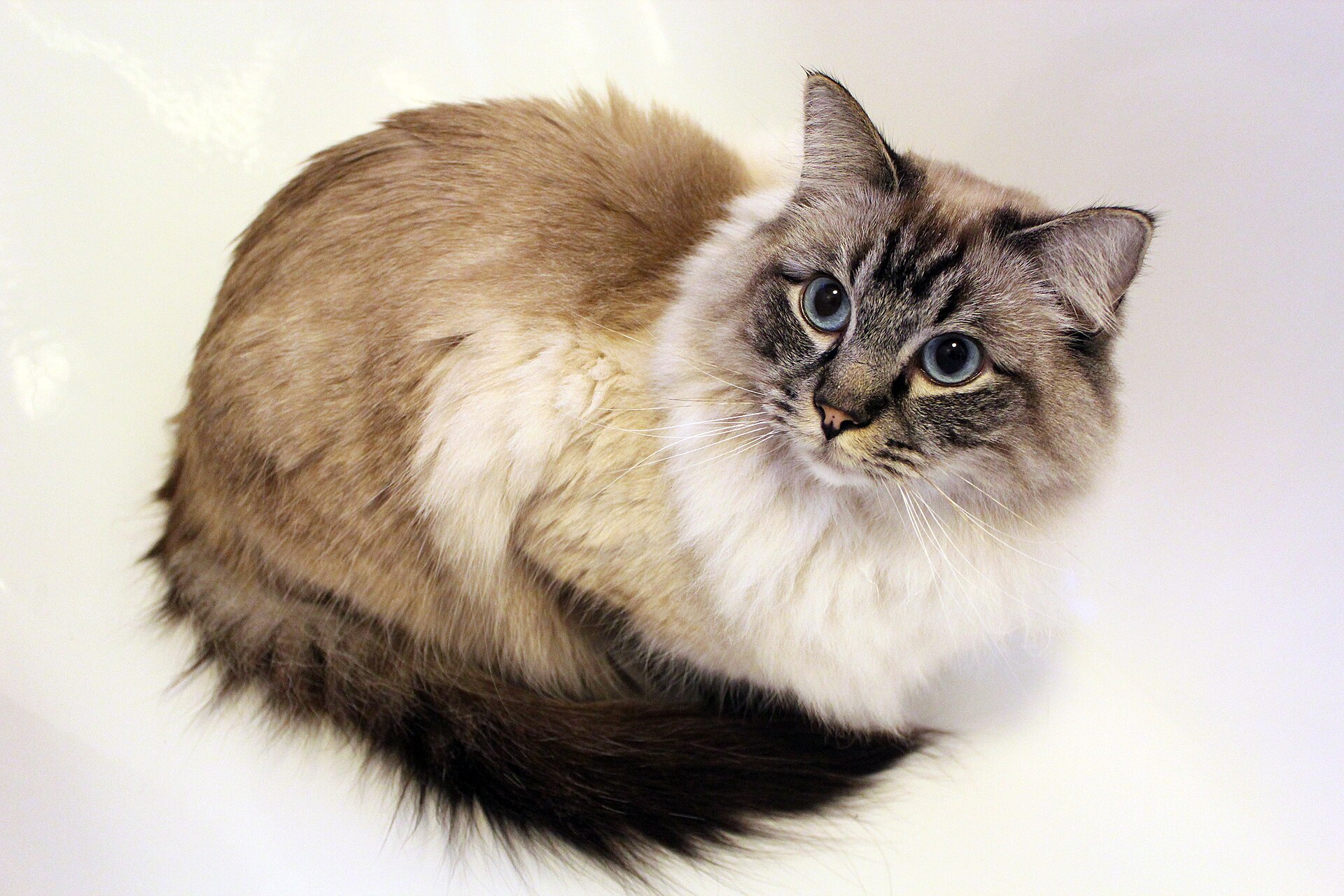
An elegant, athletic feline, made unmistakable by its coat and tail. The ticked coat — the distinguishing trait: a semi-long, fine and dense coat, shorter on the shoulders and longer on the ruff, flanks and tail; agouti "ticking" (each hair shows several bands of alternating colour, giving the coat a luminous, shimmering look); colours the classic "ruddy" (warm reddish-brown ticked with black), then sorrel/cinnamon, blue, fawn, and the silver variants. The tail and the "finishing touches": a very bushy, plumed tail, hence the "fox cat" nickname; a ruff around the neck and "breeches" on the rear thighs; and tufts on the ears and between the toes. The structure and the face: a medium, lithe and muscular body, agile in appearance; large, well-spaced ears, often tufted; and almond eyes, amber or green, with a lively, alert expression.
Character, curiosities and care
The Somali is famous for its extremely lively temperament. It is an extremely active, athletic, curious and intelligent cat, always looking for something to do. It loves to climb, explore, jump and play, and stays playful even as an adult. It is very bonded to people and involved in domestic life: more than a placid lap cat, it is a dynamic, interactive companion.
The "fox cat": with its warm, luminous coat, its bushy, plumed tail and its ruff, the Somali really does recall a small fox, especially in the "ruddy" variety; this wild, elegant look, combined with its agile movement, is one of its most admired traits. The coat that "lights up" slowly: the Somali's characteristic ticking is not complete at birth; the kittens are born with a more uniform coat and fully develop the colour bands and highlights only as they grow, sometimes over many months; it is a bit like watching their definitive coat "bloom" over time. The "geographic" name that isn't: contrary to what one might think, the Somali does not come from Somalia; the name was chosen symbolically: since the breed derives from the Abyssinian — and "Abyssinia" is the old name of Ethiopia — breeders named the new breed "Somali", as if to indicate the Abyssinian's "next-door neighbour", since Somalia borders Ethiopia. The "little hands": like the Abyssinian, the Somali is known for its skill with its front paws, which it uses almost like little hands to explore, move objects, open cupboards and scoop water or kibble from containers; it is a cat that likes to "do", and that can test the ingenuity of those who live with it. Practical care: the Somali needs plenty of exercise and stimulation (play, climbing, exploring), company (it suffers from loneliness), and regular coat care with brushing, even though the semi-long fur is less prone to knots than that of breeds such as the Persian. In return it offers a contagious cheerfulness and vitality.
Pros
- Bellissimo mantello ticchiettato, luminoso, con spettacolare coda da 'volpe'
- Vivace, atletico e giocherellone: ideale per famiglie attive
- Molto intelligente e interattivo, si lega profondamente alle persone
- Pelo semilungo meno incline ai nodi rispetto ad altre razze a pelo lungo
Cons
- Energia altissima: si annoia e può combinare guai se poco stimolato
- Non è un gatto 'da grembo': ha bisogno di gioco, spazi e attenzioni
- Soffre la solitudine: meglio non lasciarlo a lungo da solo
- Richiede comunque spazzolature regolari del pelo semilungo