Cedar of Lebanon: The Majestic Conifer with Tiered Branches
Trees

Cedar of Lebanon: The Majestic Conifer with Tiered Branches

Cedrus libani

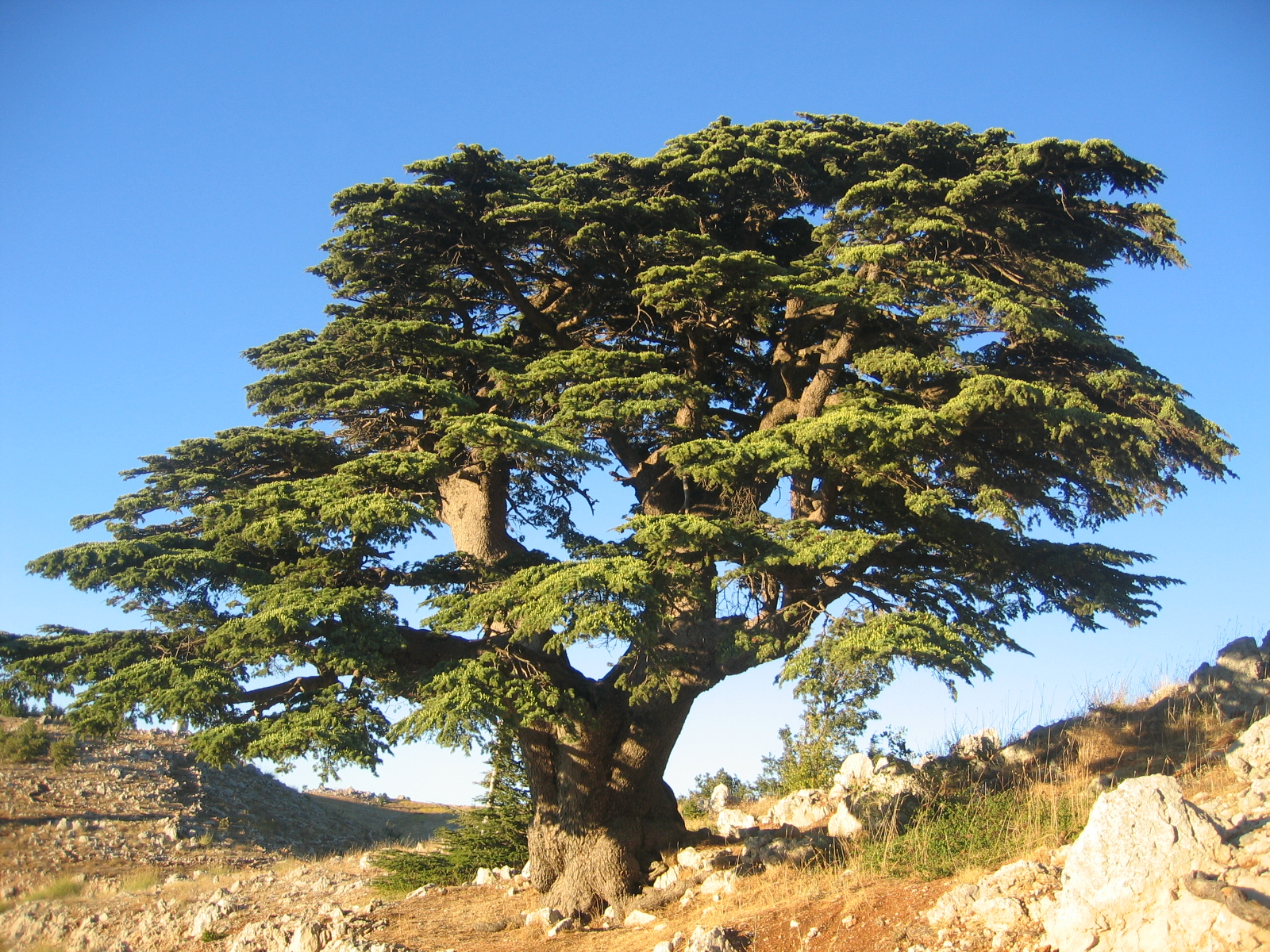
Growing cedar of Lebanon: majestic long-lived conifer with horizontal tiered branches. Full sun, deep well-drained soil, ideal in large parks.

Characteristics

Scientific nameCedrus libani
Height20-40 m
Sunlightpieno sole
Waterbassa
Soildrenante profondo
Toxicitynon tossica
Growthlenta
Temperature-20 a 35 °C
Floweringassente
IrrigationWater in the first years after planting; mature trees are very drought-resistant and almost self-sufficient.

The cedar of Lebanon (Cedrus libani) is a majestic, long-lived evergreen conifer with an unmistakable habit of horizontal branches arranged in tiers. It grows slowly in full sun on deep, well-drained soil, reaching great size. Ideal as a specimen tree in parks and large gardens.

Flowering season

JanFebMarAprMayJunJulAugSepOctNovDec

Practical tips

Watering

Water needs: bassa — always check soil moisture before watering.

Position

Prefers pieno sole: provide the right light and rotate the plant for even growth.

Substrate

Recommended soil: drenante profondo. Refresh the substrate every 1-2 years.

Leaves

Dust the leaves with a damp cloth to support photosynthesis.

Feeding

Feed during the growing season (spring-summer) and stop in winter.
FAQ

How fast does the cedar of Lebanon grow?
It is a slow-growing conifer, especially when young: only a few centimetres a year at first. For this reason it should be planted well ahead of time and seen as a tree for future generations, living for centuries.
Is the cedar of Lebanon suitable for small gardens?
No: at maturity it reaches 20-40 m with a very broad crown. It needs large open spaces; for small gardens there are more compact dwarf or weeping cultivars.

You may also like