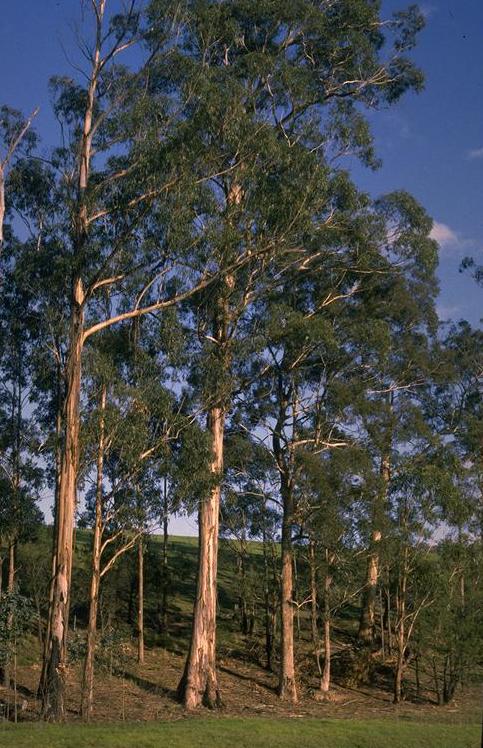
Eucalyptus: Characteristics and Uses of the Balsamic Tree
Eucalyptus globulus
Eucalyptus globulus: Australian evergreen tree with aromatic balsamic leaves. Fast growth, used in herbal medicine and cosmetics.
Characteristics
Eucalyptus globulus is an evergreen tree native to Australia, famous for its aromatic balsamic leaves used in herbal medicine to clear the respiratory tract. It grows very fast in full sun on well-drained soil, reaching 60 metres in just decades. A tree for large gardens, it drains wet soils.
Flowering season
Practical tips
Water needs: media — always check soil moisture before watering.
Prefers pieno sole: provide the right light and rotate the plant for even growth.
Recommended soil: drenante acido. Refresh the substrate every 1-2 years.
Dust the leaves with a damp cloth to support photosynthesis.
Feed during the growing season (spring-summer) and stop in winter.