Photo: B.navez · CC BY-SA 3.0
Cornelian cherry
Cornus mas
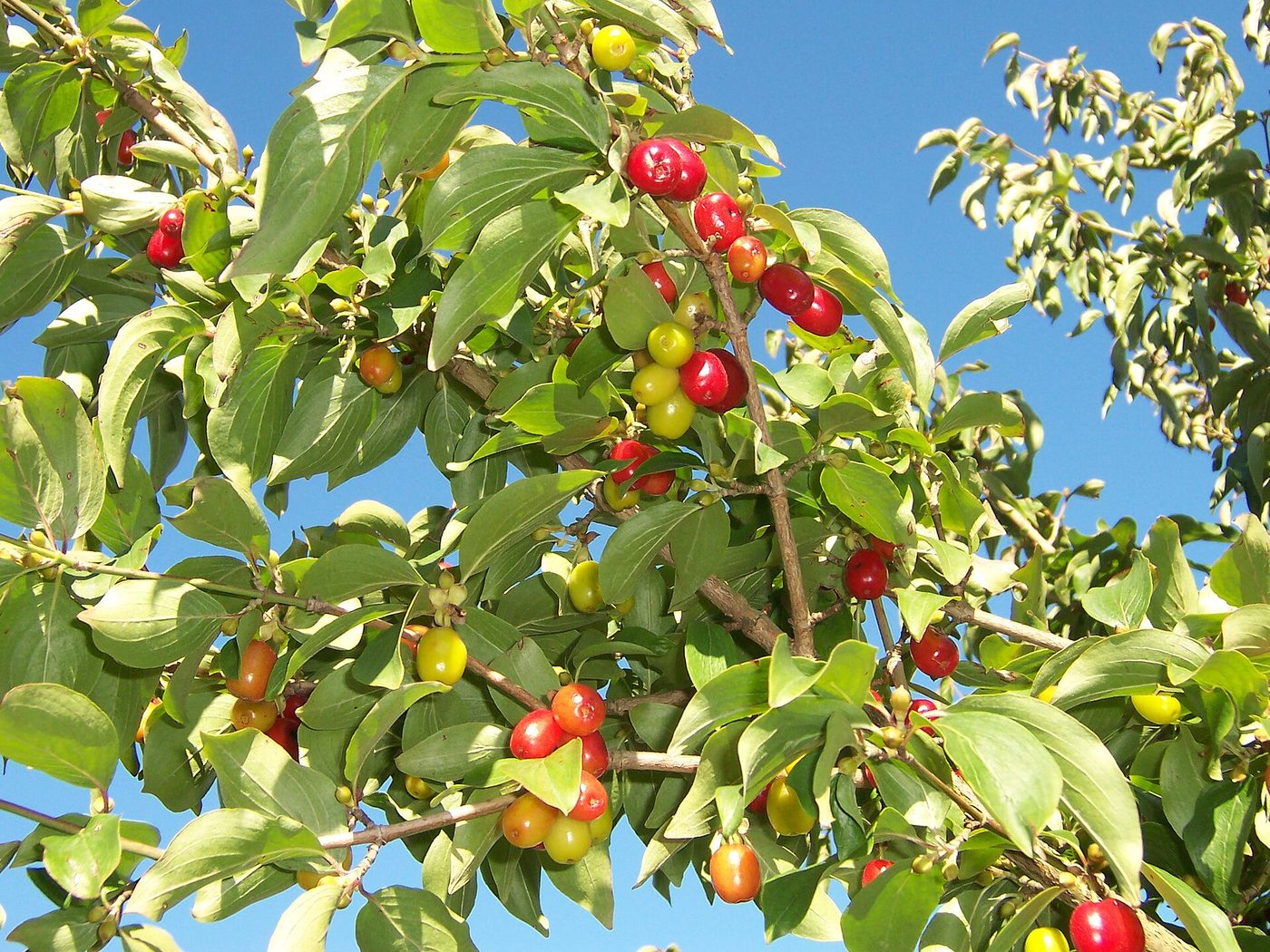
The cornelian cherry is a hardy small tree that flowers yellow in late winter and bears edible red berries in autumn.
Characteristics
The first yellow of late winter
The cornelian cherry is a shrub or small tree of the dogwood family, Cornaceae, reaching 3–8 metres. It is among the first woody plants to bloom: as early as late winter, before the leaves, its branches are covered with small yellow flowers in tight clusters — a precious splash of colour when the rest of the garden is still bare. In autumn it produces oblong, bright-red berries with a tart flavour.
Origin and habitat
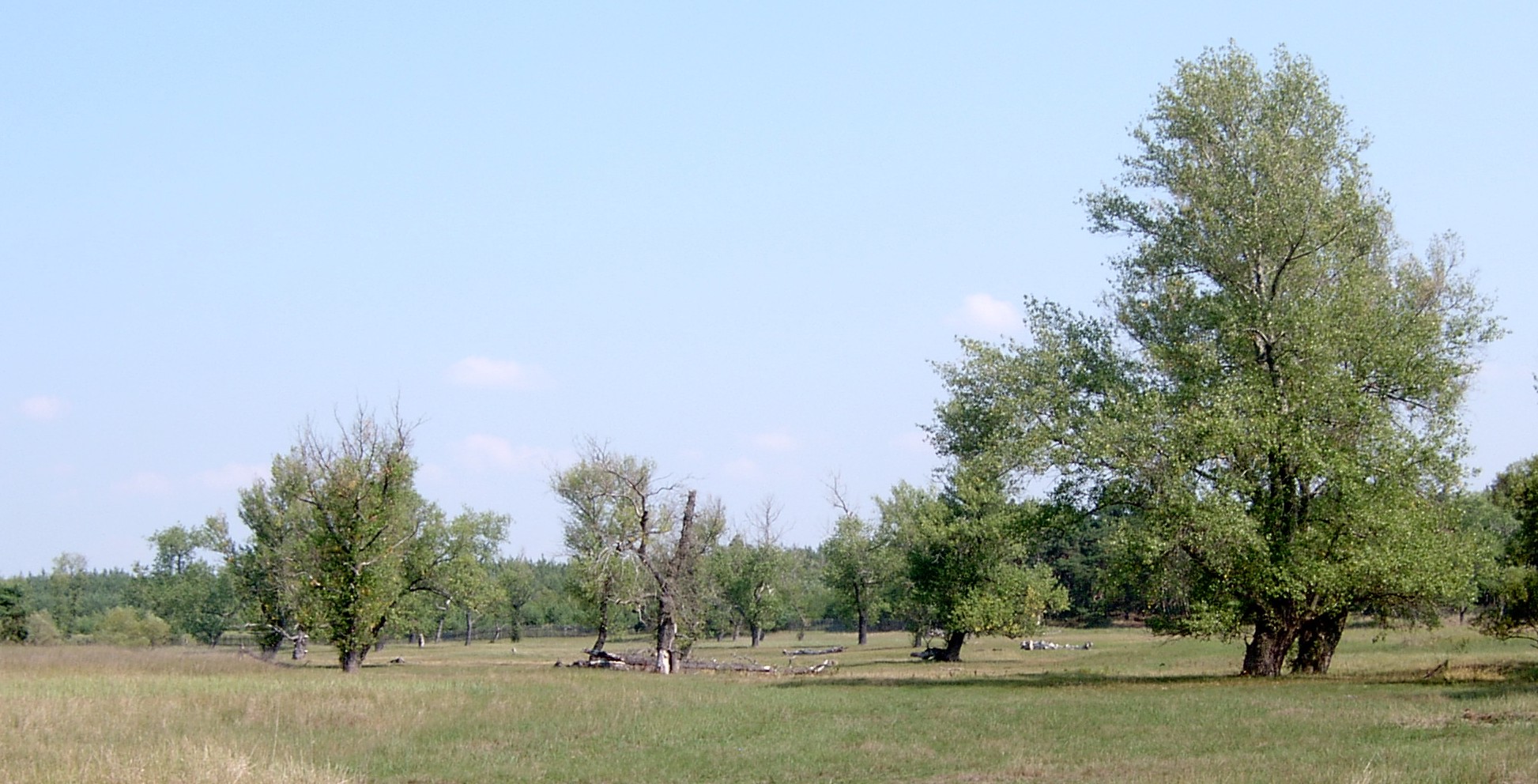
It is native to Western and Southern Europe and south-western Asia, where it grows in open woods, on woodland edges and on limestone slopes. It is a very hardy, long-lived plant, able to withstand cold winters and a range of environments.
Cultivation
It adapts to many situations: full sun or part shade, fertile limestone soils but also poorer ones, as long as they drain well. It grows slowly, needs very little care and is rarely affected by disease. It can be grown as a specimen, in groups or as an informal hedge; its wood is among the hardest and heaviest in Europe.
Uses
The berries are edible and have been used for centuries in jams, syrups, liqueurs and sweet-and-sour sauces; in some countries they are even fermented. Its early flowering also makes it an important nectar source for bees emerging from winter.
Care
Once established, the cornelian cherry tolerates drought well and needs no regular pruning. Any pruning is done after fruiting. For a good crop of berries it helps to have several plants to encourage cross-pollination.
Flowering season
Practical tips
Water needs: Moderate, drought-tolerant when mature — always check soil moisture before watering.
Prefers Full sun or part shade: provide the right light and rotate the plant for even growth.
Recommended soil: Fertile, limestone, well-drained; adaptable. Refresh the substrate every 1-2 years.
Dust the leaves with a damp cloth to support photosynthesis.
Feed during the growing season (spring-summer) and stop in winter.
Pros
- Very early, decorative yellow blossom
- Edible fruit, useful for wildlife
- Hardy, long-lived and almost disease-free
Cons
- Slow-growing
- Best fruiting with several plants