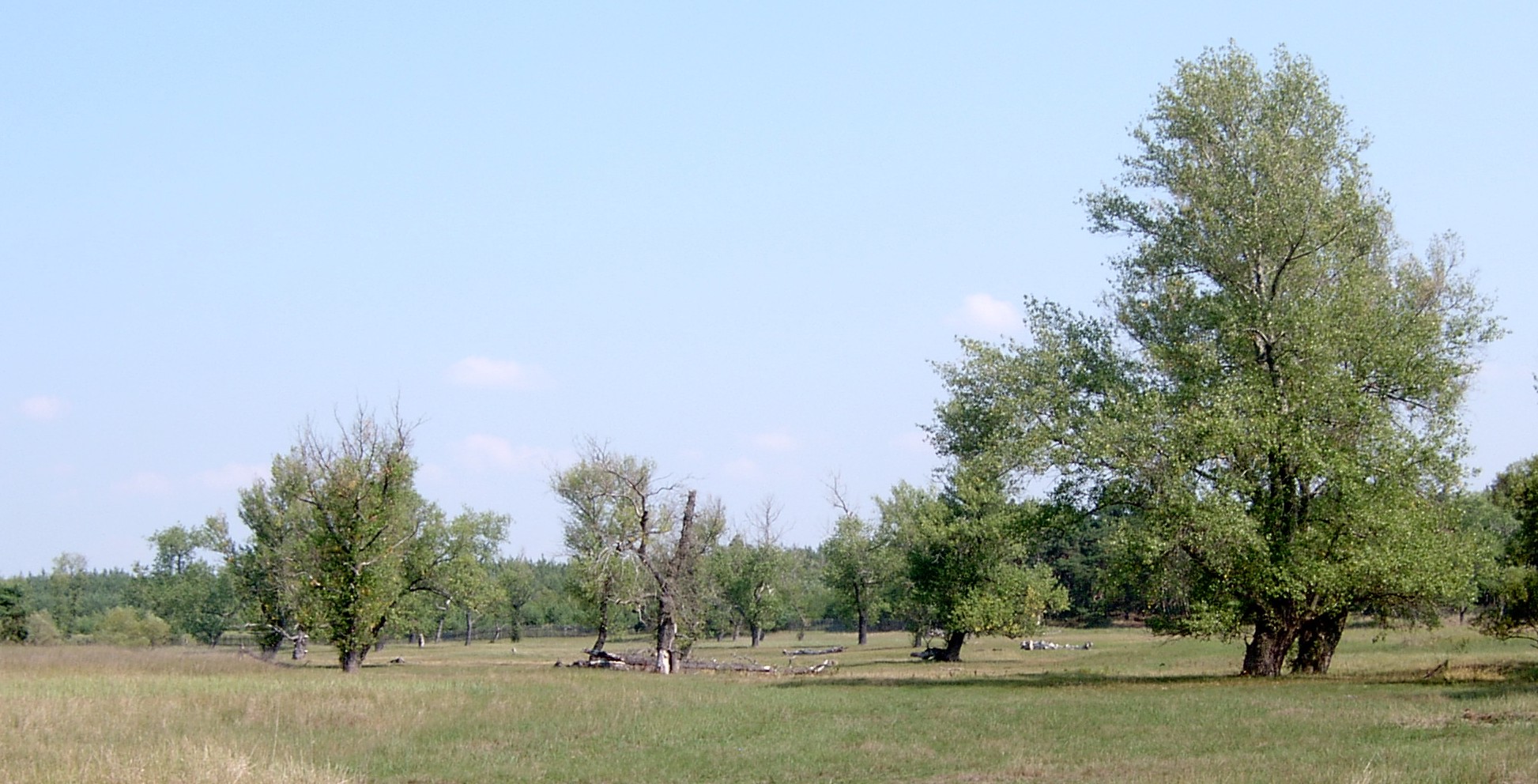
Black Poplar: Fast-Growing Riparian Tree of European Rivers
Populus nigra
Black Poplar: fast-growing broadleaf tree typical of European rivers. Full sun, moist soil, golden yellow autumn foliage.
Characteristics
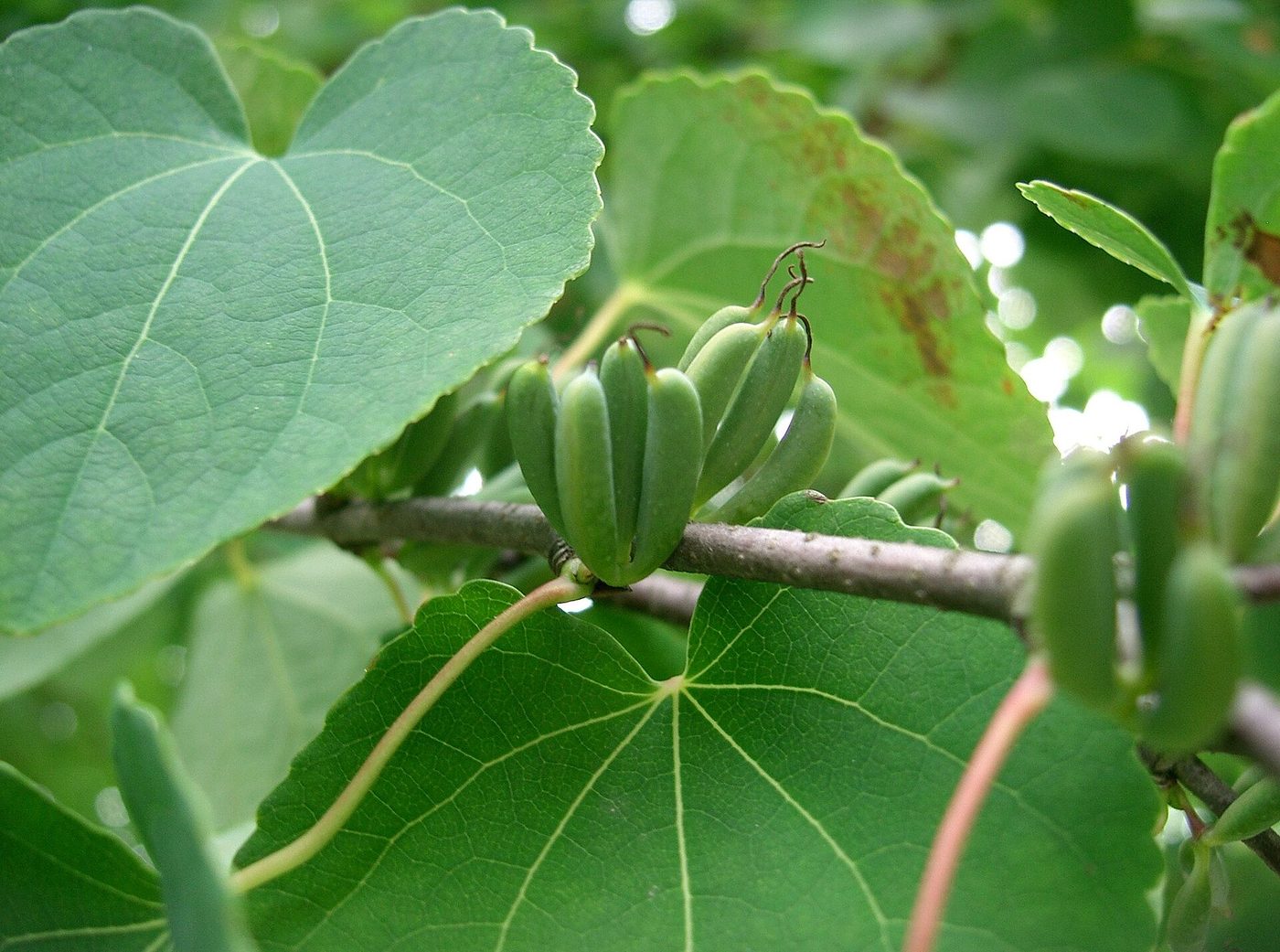
Black Poplar is a fast-growing European broadleaf tree, typical of moist soils along rivers, canals and lake banks. It grows vigorously in full sun on deep, moist soils, reaching 30 metres in just 30 years. Its heart-shaped leaves turn golden yellow in autumn, creating spectacular riparian forests.
Flowering season
Practical tips
Water needs: alta — always check soil moisture before watering.
Prefers pieno sole: provide the right light and rotate the plant for even growth.
Recommended soil: fertile umido. Refresh the substrate every 1-2 years.
Dust the leaves with a damp cloth to support photosynthesis.
Feed during the growing season (spring-summer) and stop in winter.