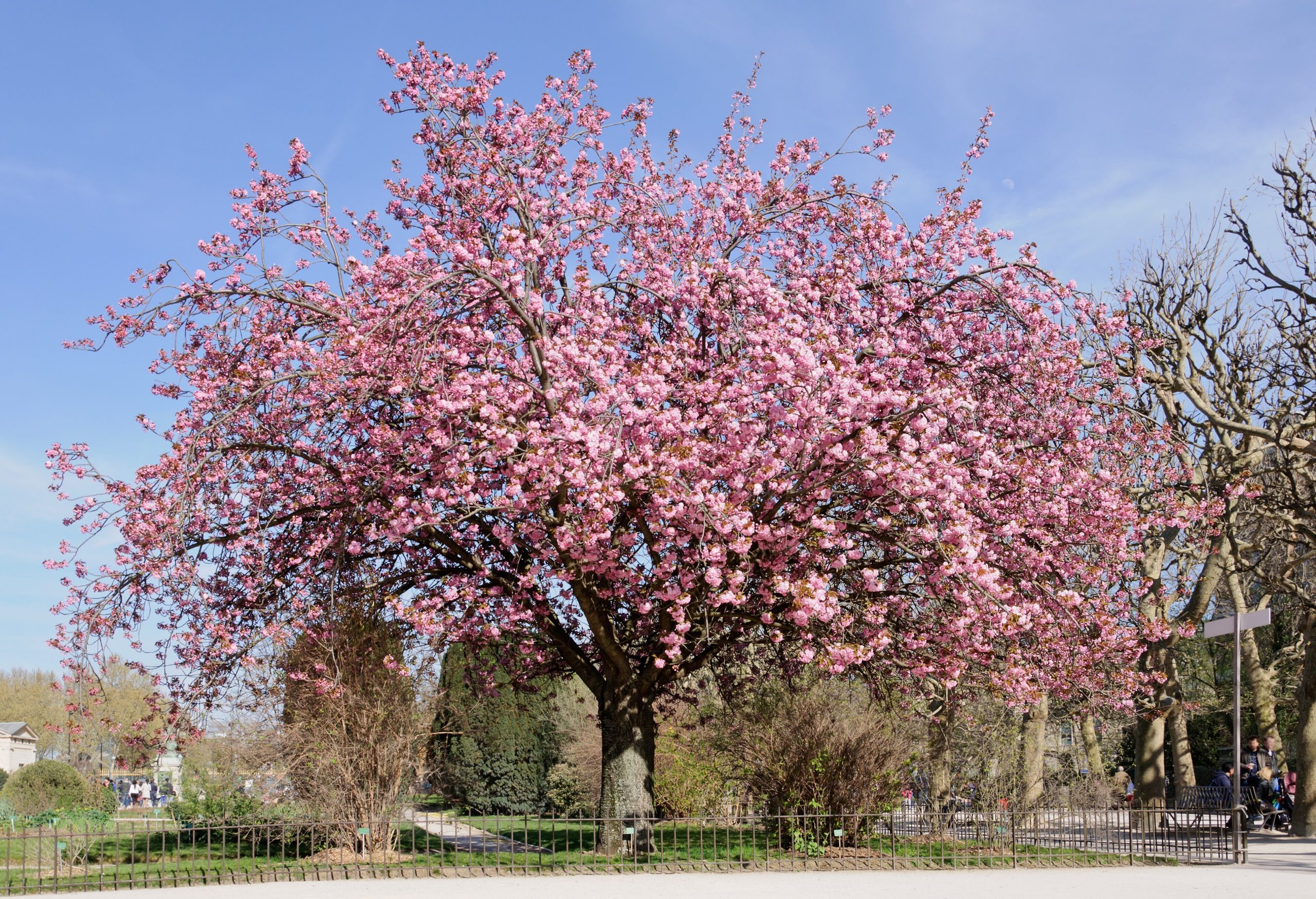
Japanese Cherry: Prunus serrulata Care Guide
Prunus serrulata
Japanese cherry care (Prunus serrulata): ornamental tree with spectacular pink spring blossom. Full sun, fresh well-drained soil, hardy.
Characteristics
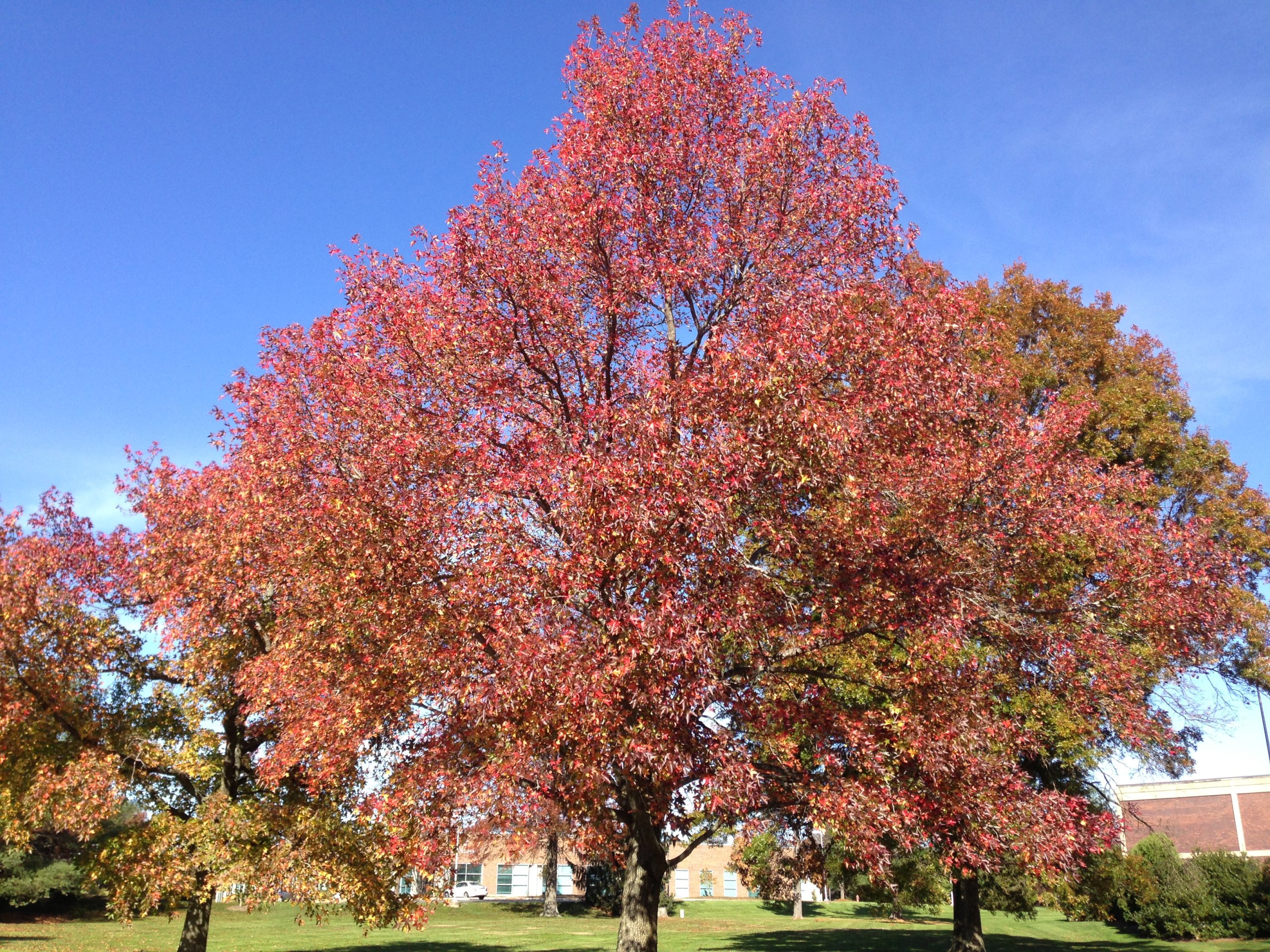
The Japanese cherry (Prunus serrulata), the famous sakura, is an ornamental deciduous tree prized for its spectacular pink or white blossom in early spring, before the leaves. It has a broad, spreading crown and fine autumn colour. It wants full sun and fresh, fertile, well-drained soil. It is hardy to about -20 °C and reaches 5-12 metres.
Flowering season
Practical tips
Water needs: media — always check soil moisture before watering.
Prefers pieno sole: provide the right light and rotate the plant for even growth.
Recommended soil: fresco drenante. Refresh the substrate every 1-2 years.
Dust the leaves with a damp cloth to support photosynthesis.
Feed during the growing season (spring-summer) and stop in winter.