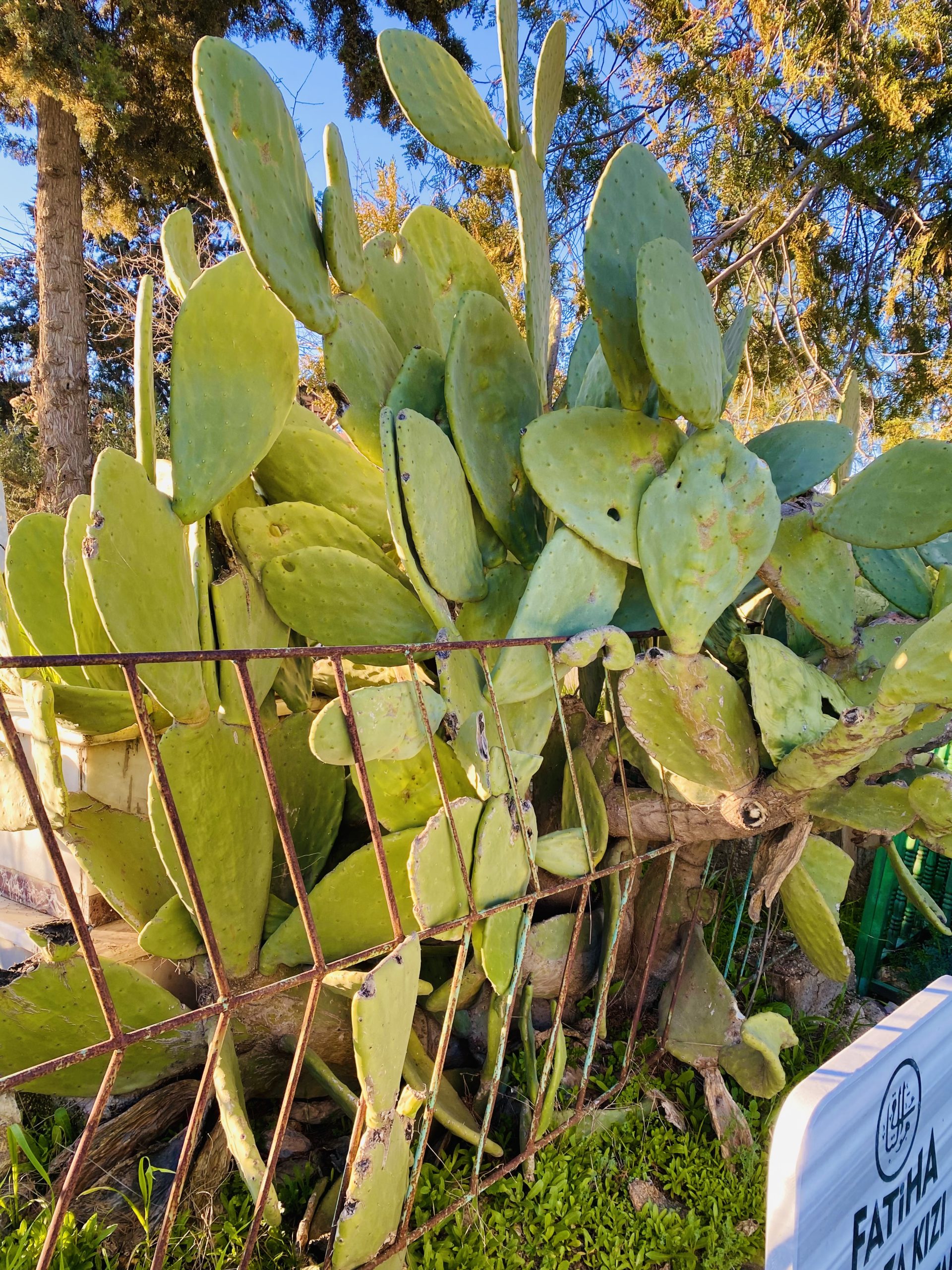
Prickly Pear: How to Grow Opuntia in Dry Gardens
Opuntia ficus-indica
Growing prickly pear: Mediterranean cactus with sweet fruit. Full sun, sandy soil, drought and heat tolerant, iconic of southern landscapes.
Characteristics
The Prickly Pear (Opuntia ficus-indica) is an iconic Mediterranean cactus with large spiny pads and sweet edible fruit. It thrives in full sun and sandy well-drained soil, tolerating extreme drought and high temperatures. A signature plant of southern Italian landscapes.
Flowering season
Practical tips
Water needs: bassa — always check soil moisture before watering.
Prefers pieno sole: provide the right light and rotate the plant for even growth.
Recommended soil: sabbioso drenante. Refresh the substrate every 1-2 years.
Dust the leaves with a damp cloth to support photosynthesis.
Feed during the growing season (spring-summer) and stop in winter.