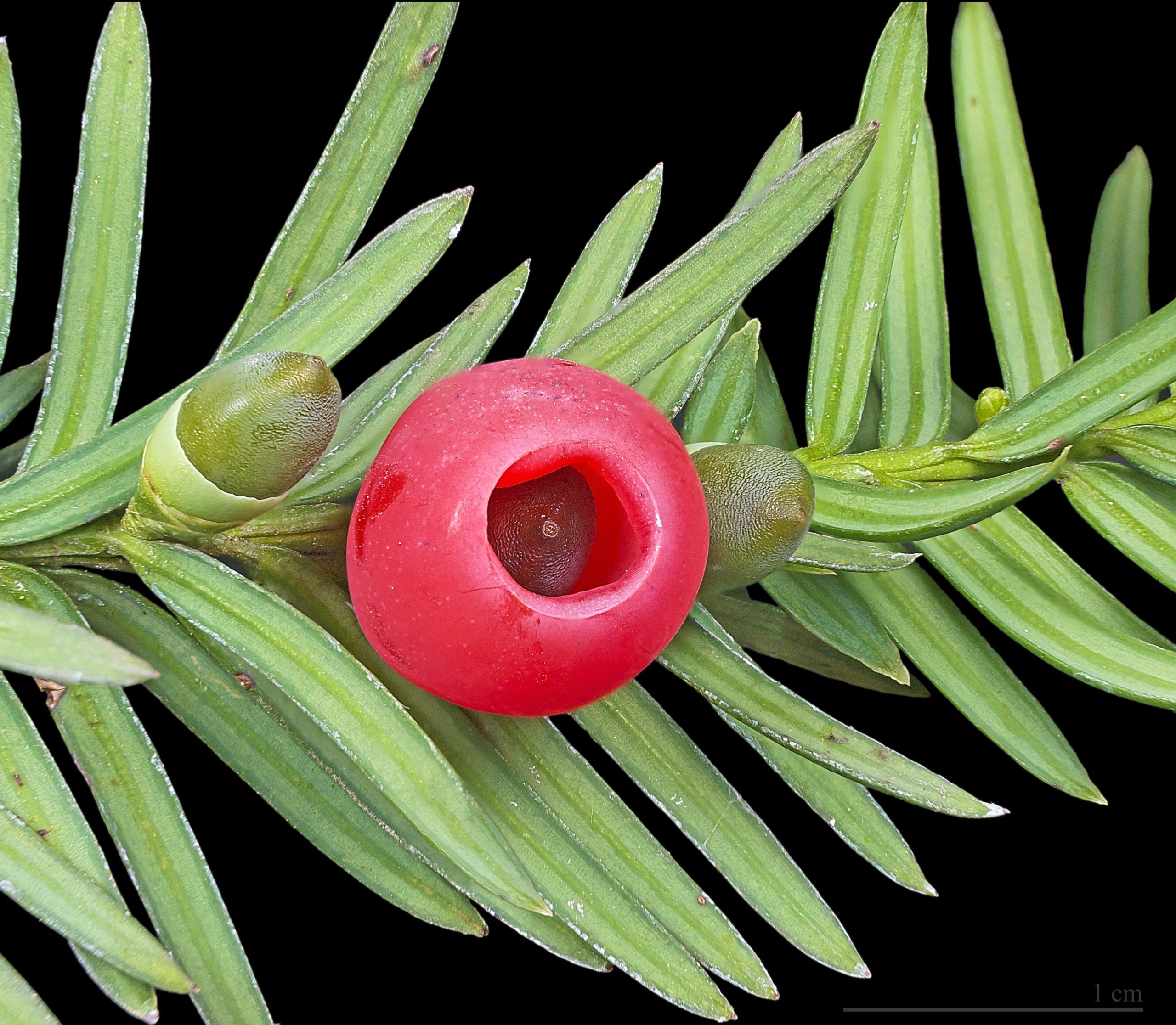
Yew: The Long-Lived Conifer Ideal for Hedges and Topiary
Taxus baccata
Growing yew: long-lived evergreen conifer, ideal for hedges and topiary. Partial shade, well-drained soil, tolerates hard pruning. Note: toxic plant.
Characteristics
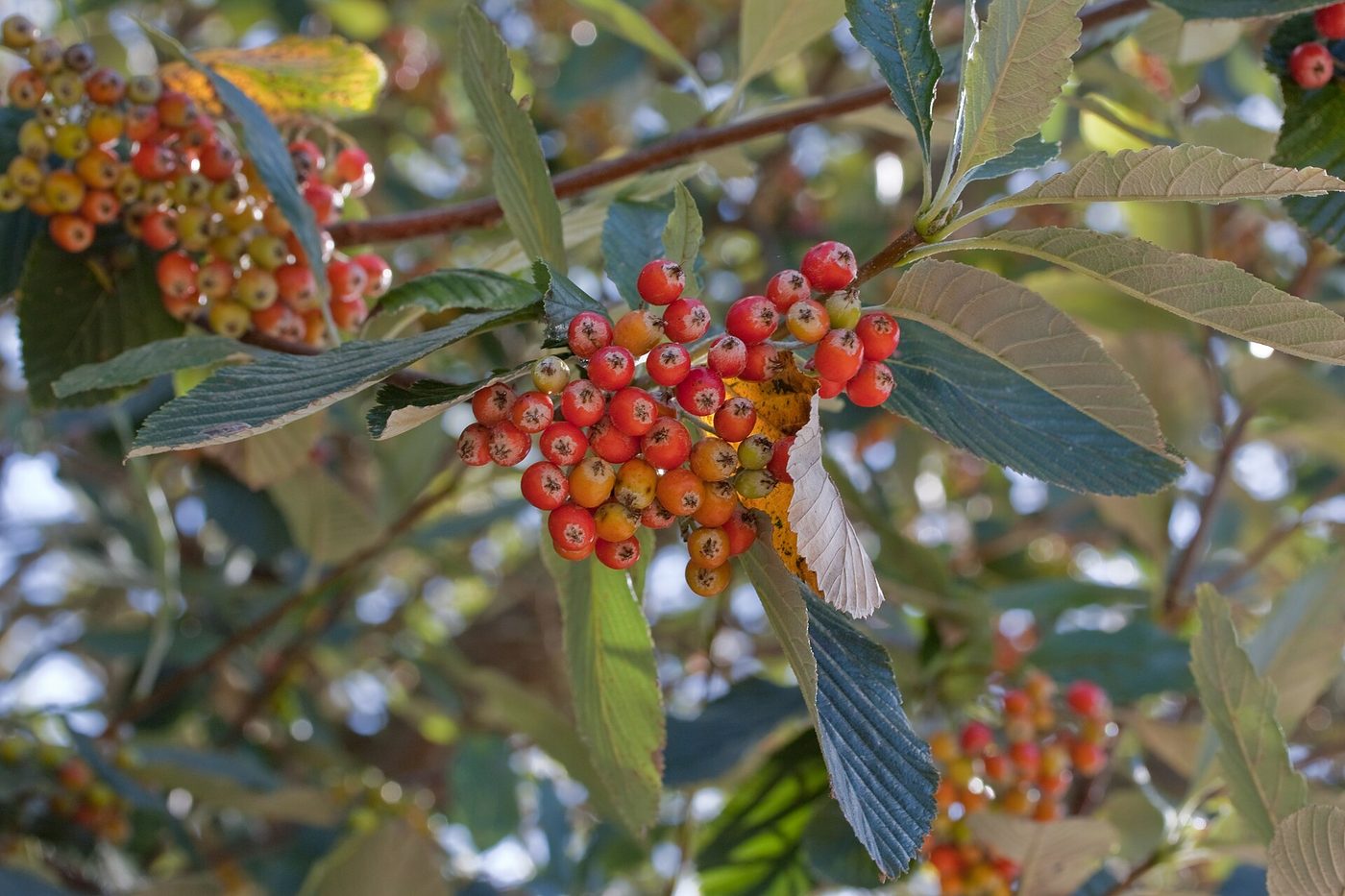
Yew (Taxus baccata) is an extremely long-lived evergreen conifer with dense dark green foliage and striking red arils. It grows slowly in partial shade on well-drained soil and tolerates hard pruning — the premier evergreen for hedges and topiary. All parts except the fleshy aril are toxic.
Flowering season
Practical tips
Water needs: media — always check soil moisture before watering.
Prefers mezz'ombra: provide the right light and rotate the plant for even growth.
Recommended soil: drenante fertile. Refresh the substrate every 1-2 years.
Dust the leaves with a damp cloth to support photosynthesis.
Feed during the growing season (spring-summer) and stop in winter.