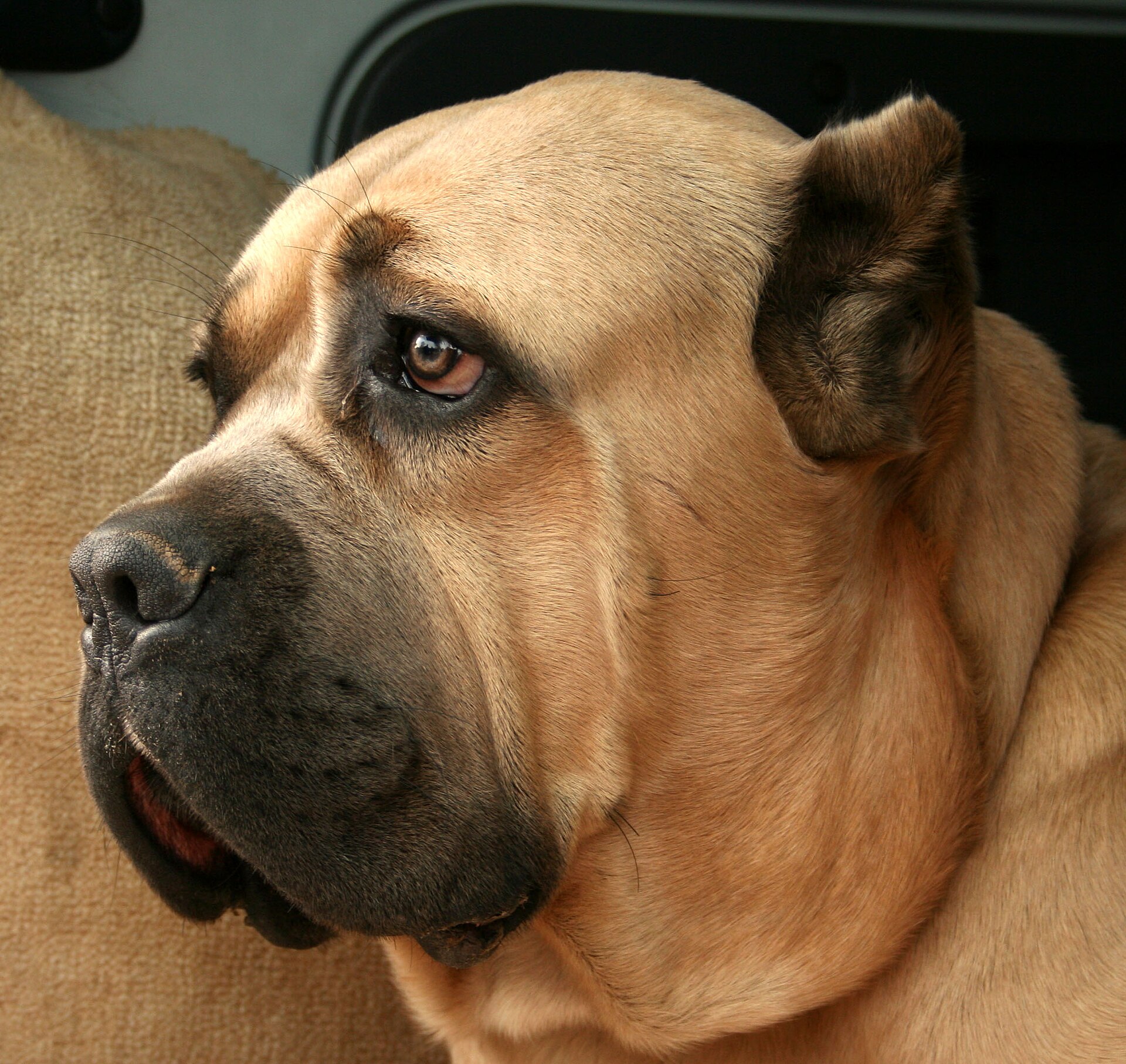
Cane Corso
Canis lupus familiaris
Characteristics
Temperament
A balanced, proud, protective dog, deeply loyal and affectionate with its family but reserved and watchful with strangers: a born guardian. Brave, territorial and of strong presence, it is NOT aggressive by nature, but its power and protective instinct require an experienced owner, early socialization and consistent training from puppyhood. Intelligent and eager to cooperate, it is very trainable; well raised it is a calm, self-assured companion, surprisingly gentle at home, even with children.
Diet
An omnivore with a carnivorous bent, like all dogs; given its large size it needs a complete, quality food, rich in protein and suited to age and activity, with fresh water always available. Rations, substantial but controlled, should be split into several meals to reduce the risk of gastric torsion, typical of large, deep-chested dogs. Controlled puppy growth (for healthy bones and joints) and weight control in adulthood are essential: a balanced diet and good activity keep the Corso muscular, lean and healthy.
The Cane Corso (sometimes "Italian Mastiff") is one of the oldest and most imposing Italian breeds: a powerful, elegant molosser, heir to the war and guard dogs of ancient Rome. Famous for:
- The athletic, muscular build: large and powerful yet agile and functional, unlike the heavier molossers
- The guardian instinct: alert, brave and territorial, it has always been a protector of homes, flocks and property
- The imposing head: broad, with a strong muzzle and powerful jaws, often with a dark mask
- The bond with the family: deeply devoted and affectionate with "its own", of whom it is the keeper
- The Roman roots: it descends from the canis pugnax, the fighting and war dogs of antiquity
- The return from oblivion: it risked extinction and was recovered in southern Italy in the 20th century
The Cane Corso is a domestic dog and enters the portal among the molossers, alongside breeds such as the English Bulldog, Rottweiler and St. Bernard. It is a dog of great character, not for everyone: it requires a knowledgeable owner, but repays them with absolute loyalty and devotion.
Classification and category
The Cane Corso is a pedigree domestic dog (Canis lupus familiaris), and in the portal it is classified among the molossers — the large group of "mastiff"-type dogs, of robust build and massive head. In the international canine classification (FCI) it belongs to Group 2 (pinscher, schnauzer, molosser and mountain/cattle dog types), and it is one of the most representative Italian breeds. It is useful to tell it apart from some related breeds: the Neapolitan Mastiff, another Italian molosser, is much heavier, wrinkled and with abundant skin; the Cane Corso is instead drier, more athletic and functional; compared with molossers such as the Bullmastiff or the Dogue de Bordeaux, the Corso is more agile and "sporty"; it should not be confused with "bull"-type dogs (American Staffordshire, etc.): the Corso is a guard molosser of a different type. Etymology: the name "Cane Corso" has nothing to do with Corsica. It probably derives from the Latin cohors ("guardian, protector", hence "courtyard/guard dog") or from an old term meaning sturdiness. From its very name, then, it is "the guardian dog". Parameters: Height at the withers males about 62-70 cm, females about 58-66 cm. Weight males about 45-50 kg, females about 40-45 kg. Appearance: large, muscular, robust yet rangy. Longevity: like many large dogs, relatively short, generally 9-12 years. Reproduction: large litters; as with all large breeds, controlled growth and attention to the joints during development are needed.
Habitat and distribution
As a domestic breed, the Cane Corso has no wild range: its "homeland" is Italy, particularly the South (Puglia and the Mezzogiorno), where the breed was historically raised and then recovered. Today it is widespread and prized worldwide, especially as a guard and protection dog. Ideal living environment: homes with space (it does best in houses with a garden or large areas to watch over, rather than small flats); experienced, present owners (it needs firm, consistent guidance and early socialization); and a "mission" (it is happy when it has a role — to watch, accompany, work with its owner). Historically the Cane Corso was an all-round dog of the Italian countryside: a guardian of farmhouses and livestock, a drover of herds, an aid in wild-boar hunting and a defender of property. In the mid-20th century, with the transformation of the rural world, it risked disappearing; it was saved from the 1970s-80s thanks to enthusiasts who tracked down its last specimens in southern Italy, bringing the breed back to official recognition. Not being a wild animal, it has no IUCN conservation status: its "health" is measured rather in its spread and the soundness of its breeding, as well as in the awareness of owners, indispensable for such a powerful dog.
Diet
Like all dogs, the Cane Corso is an omnivore with a carnivorous bent and, given its size, needs a complete, quality, well-calibrated diet. As a large domestic dog: complete foods for large dogs, rich in quality protein and suited to age; substantial but controlled rations, divided into several meals so as not to overload the stomach; and fresh water always available. Particular care: puppy growth (large-breed puppies must be fed carefully to favour harmonious development of bones and joints); the risk of gastric torsion/bloat (as in many large, deep-chested dogs, it is best to avoid single large meals and intense exercise right after eating); and weight control (excess weight is harmful to the joints of an already heavy dog). Crucially, in the Cane Corso the diet must support a powerful musculature without weighing the animal down. A balanced diet and a good level of activity keep the Corso lean, athletic and healthy, as its standard requires.
Physical features
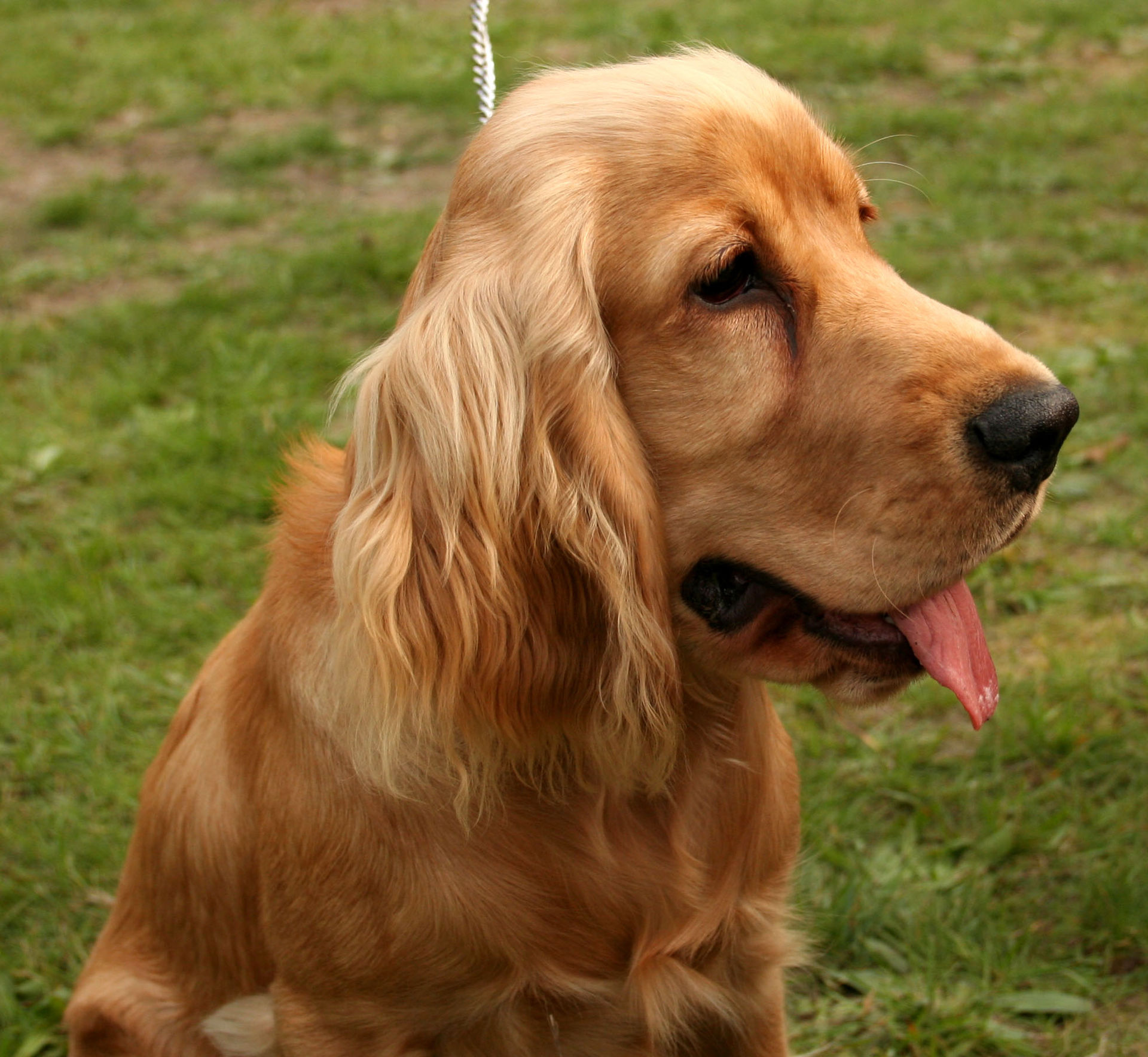
A powerful, muscular, noble-looking dog. Body and build: a large, robust, muscular build, but drier and more athletic than that of the heavy molossers; a broad, deep chest and a solid back; a free, springy gait, of a functional, hardy dog. The head — a distinguishing trait: a large, broad head, with a strong muzzle and powerful jaws; often a dark mask on the muzzle; a serious, attentive, proud expression. The coat: short, dense and glossy; allowed colours: black, grey (lead), fawn, red and brindle, in various shades. Performance: remarkable strength and power, combined with unsuspected agility; the stamina and functionality of a working dog; and marked vigilance, with a physical presence that is itself a deterrent.
Behaviour and curiosities
The Cane Corso is a dog of balanced, proud, protective temperament. With its own family it is affectionate, loyal and surprisingly gentle, while towards strangers it is reserved and watchful, a born guardian. It is not an aggressive dog by nature, but its strength and protective instinct require a competent owner, early socialization and consistent training from puppyhood. Well raised, it is a calm, self-assured companion.
The legionaries' dog: the Cane Corso descends from the ancient Italic molossers and in particular from the canis pugnax, the powerful war and fighting dogs used by the Romans — these dogs accompanied armies, guarded camps and were used in the arenas; the modern Cane Corso is one of their most direct heirs, considered a kind of "living fossil" of the antiquity's guard dog. The misleading name: despite the name, the Cane Corso has no connection with Corsica — "Corso" is not a geographical reference, but probably derives from the Latin cohors, meaning guardian or protector (hence also "court", the courtyard to guard), or from an old word meaning "sturdy, strong"; the very name, then, tells this dog's vocation: guarding and protection. The farm all-rounder: for centuries, in the countryside of southern Italy, the Cane Corso was a versatile, valuable working dog — it guarded farmsteads and livestock, drove herds, defended property from wrongdoers and aided people in hunting wild boar and other tough game; it was, in practice, the quintessential "farm dog" of the South. The return from the brink of extinction: with the mechanization of agriculture and the end of the old peasant world, by the mid-20th century the Cane Corso became increasingly rare, to the point of nearly disappearing; in the 1970s and '80s a group of dog enthusiasts literally went to "search" for the last remaining specimens in the countryside of the South, starting a recovery programme that led, by the end of the century, to the breed's full official recognition; it is one of the finest rescue stories of an Italian breed. The guardian that needs no guard training: a peculiarity of the Cane Corso is that the guarding instinct is innate: it does not need to be "egged on" or trained to aggression — quite the opposite; the real work with a Corso consists in educating it to balance and socialization, so it learns to manage its protective instinct and to read situations; a well-raised Corso is a confident, reliable dog, not a "mean" dog. The gentle giant at home: those who know the Cane Corso know that, behind the austere, imposing appearance, there is often an extraordinarily affectionate dog attached to its humans; it loves the family's company, tolerates isolation poorly and can prove surprisingly gentle and patient, especially with the children of the household, whom it tends to regard as part of the "pack" to protect.
Pros
- Guardiano eccezionale: vigile, coraggioso e con una presenza già deterrente
- Profondamente leale e affettuoso con la famiglia; protettivo con i bambini
- Intelligente e molto addestrabile, atletico e versatile
- Gloriosa razza italiana dalla storia millenaria, salvata dall'estinzione
Cons
- Cane potente e impegnativo: NON adatto a proprietari inesperti o primi cani
- Richiede socializzazione precoce, educazione coerente e tanto movimento
- La mole comporta costi (cibo, cure) e attenzione a articolazioni e stomaco
- In alcuni Paesi soggetto a normative sui cani da guardia/difesa; longevità non elevata