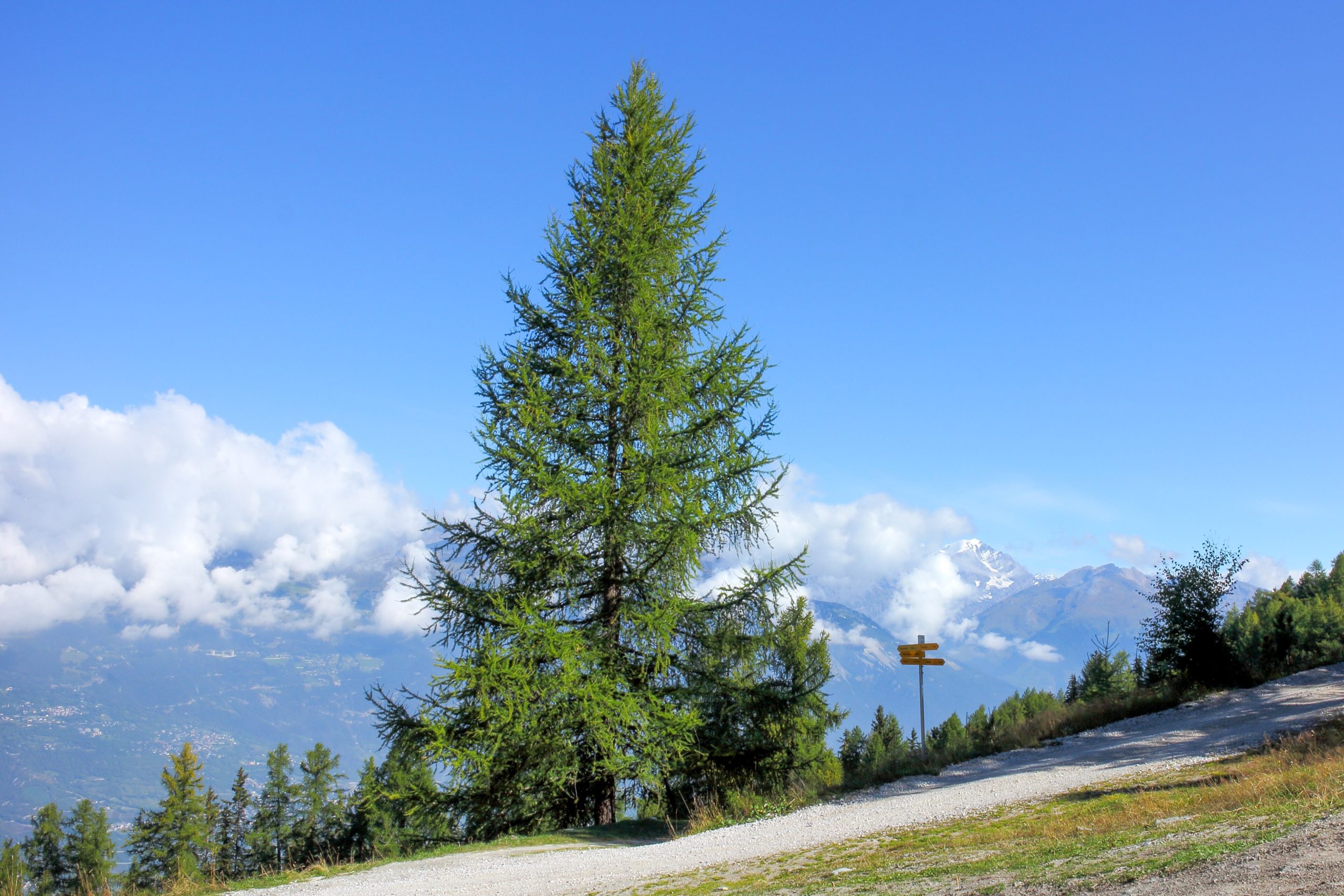
European Larch: The Only Conifer That Drops Needles in Autumn
Larix decidua
European larch: the only deciduous European conifer, needles turning golden yellow before falling in autumn. Grows in the Alps, frost-hardy.
Characteristics
European larch is a unique conifer in Europe: unlike all others, it drops its needles in autumn after turning a magnificent golden yellow. It grows in the Alps and Carpathians between 1,000 and 2,400 metres, withstanding extreme cold down to -40 °C. Long-lived, some specimens exceed 600 years.
Flowering season
Practical tips
Water needs: media — always check soil moisture before watering.
Prefers pieno sole: provide the right light and rotate the plant for even growth.
Recommended soil: drenante acido. Refresh the substrate every 1-2 years.
Dust the leaves with a damp cloth to support photosynthesis.
Feed during the growing season (spring-summer) and stop in winter.