Photo: Dominicus Johannes Bergsma · CC BY-SA 4.0
Ivy-leaved cyclamen
Cyclamen hederifolium
The ivy-leaved cyclamen is a small perennial with autumn pink flowers and ivy-shaped leaves, ideal for shady corners of the garden.
Characteristics
Description
The ivy-leaved cyclamen is a small herbaceous perennial growing from a flattened tuber. It is famous for its delicate flowers with backswept petals, pink in various shades or white, which appear in autumn before or together with the leaves. The leaves, which emerge after flowering, are heart-shaped or lobed like those of ivy, often marbled with silver, and stay decorative all winter.
Habitat and distribution
It is native to the northern Mediterranean basin, from southern France to Turkey, including many islands. It grows wild in woodland, scrub and rocky ground, from sea level to over a thousand metres. It has also naturalised further north in Europe.
Cultivation
It is one of the hardiest and easiest cyclamens, perfect for greening shady corners under trees and shrubs. It wants part shade or shade, a humus-rich, well-drained soil. In summer the tuber goes dormant and should be kept dry, then revives with the autumn rains. Once established, it self-seeds freely, forming broad colonies.
- Plant tubers in summer, just below the surface
- Do not water during summer dormancy
- Let the seeds ripen for self-sowing
Did you know?
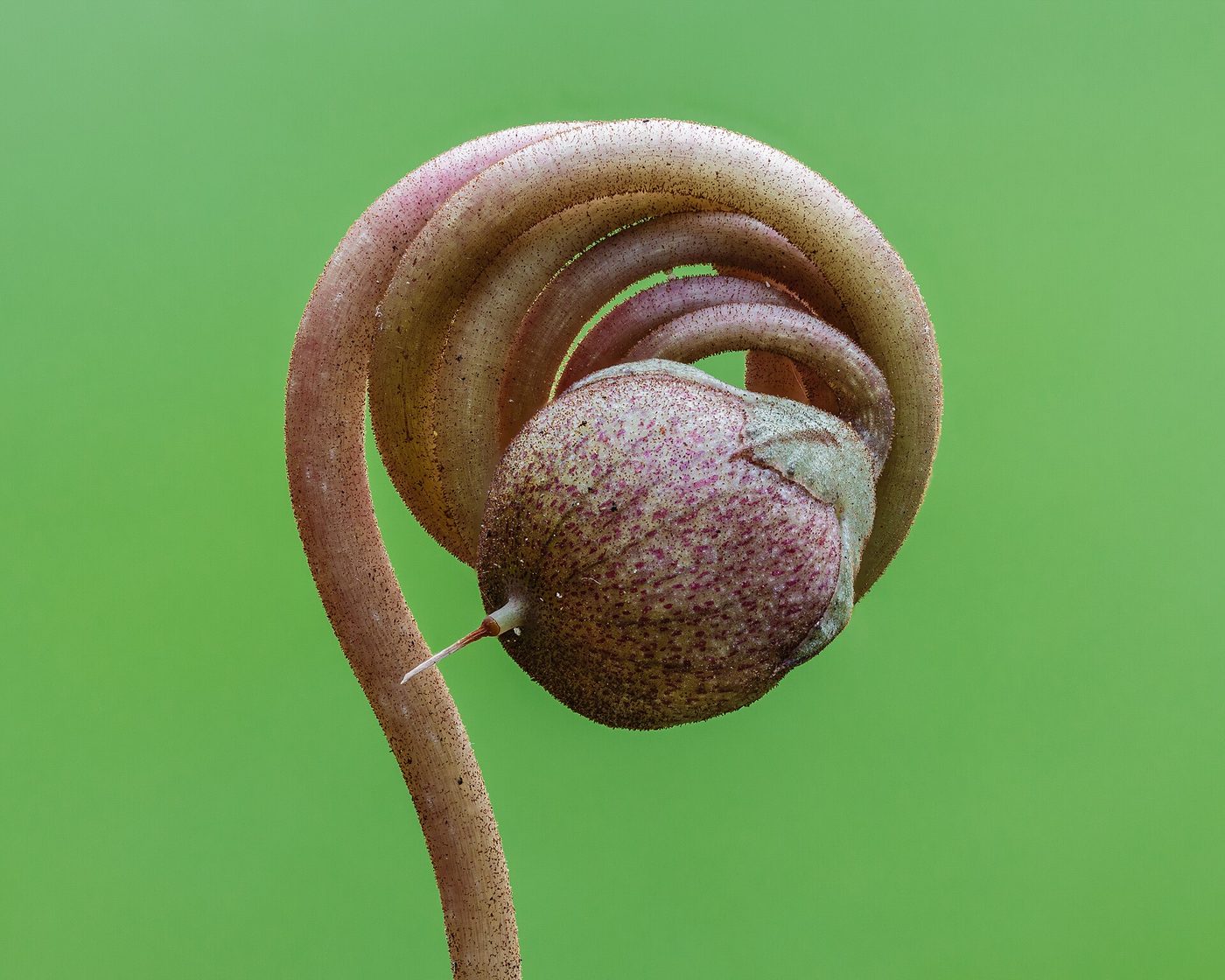
After flowering, the flower stalk coils like a spring, bringing the seed capsule close to the ground. The tuber, which can grow very large over the years, is toxic if eaten due to its saponin content.
Flowering season
Practical tips
Water needs: Moderate in autumn-winter, low in summer — always check soil moisture before watering.
Prefers Part shade or shade: provide the right light and rotate the plant for even growth.
Recommended soil: Humus-rich, well-drained. Refresh the substrate every 1-2 years.
Dust the leaves with a damp cloth to support photosynthesis.
Feed during the growing season (spring-summer) and stop in winter.
Pros
- Autumn flowering when few flowers remain
- Decorative silver-marbled leaves all winter
- Hardy and easy, naturalises by itself
Cons
- The tuber is toxic if eaten
- Must be kept dry during summer dormancy
- Slow to grow before forming colonies