Photo: Raul654 · CC BY-SA 3.0
Lace aloe
Aloe aristata
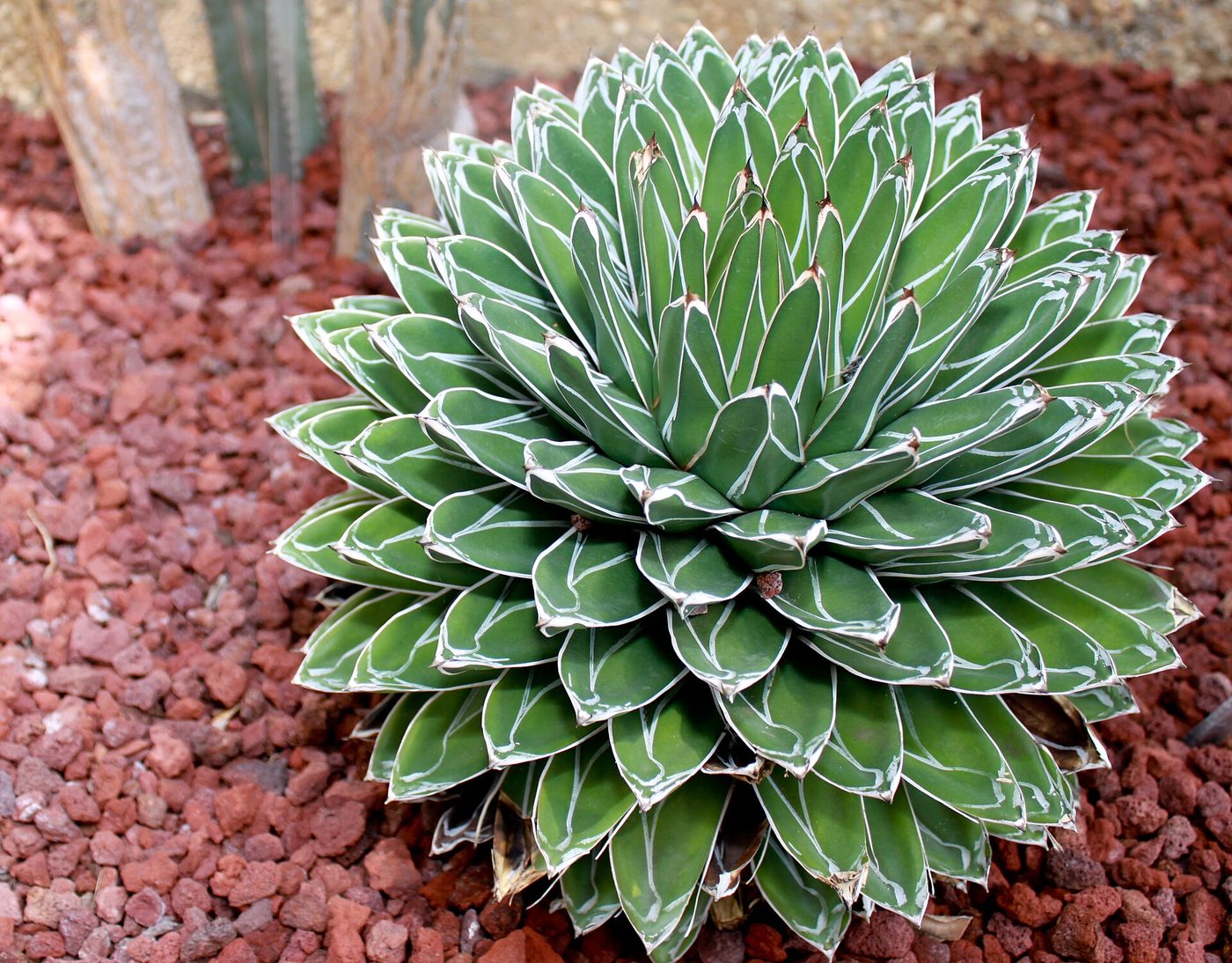
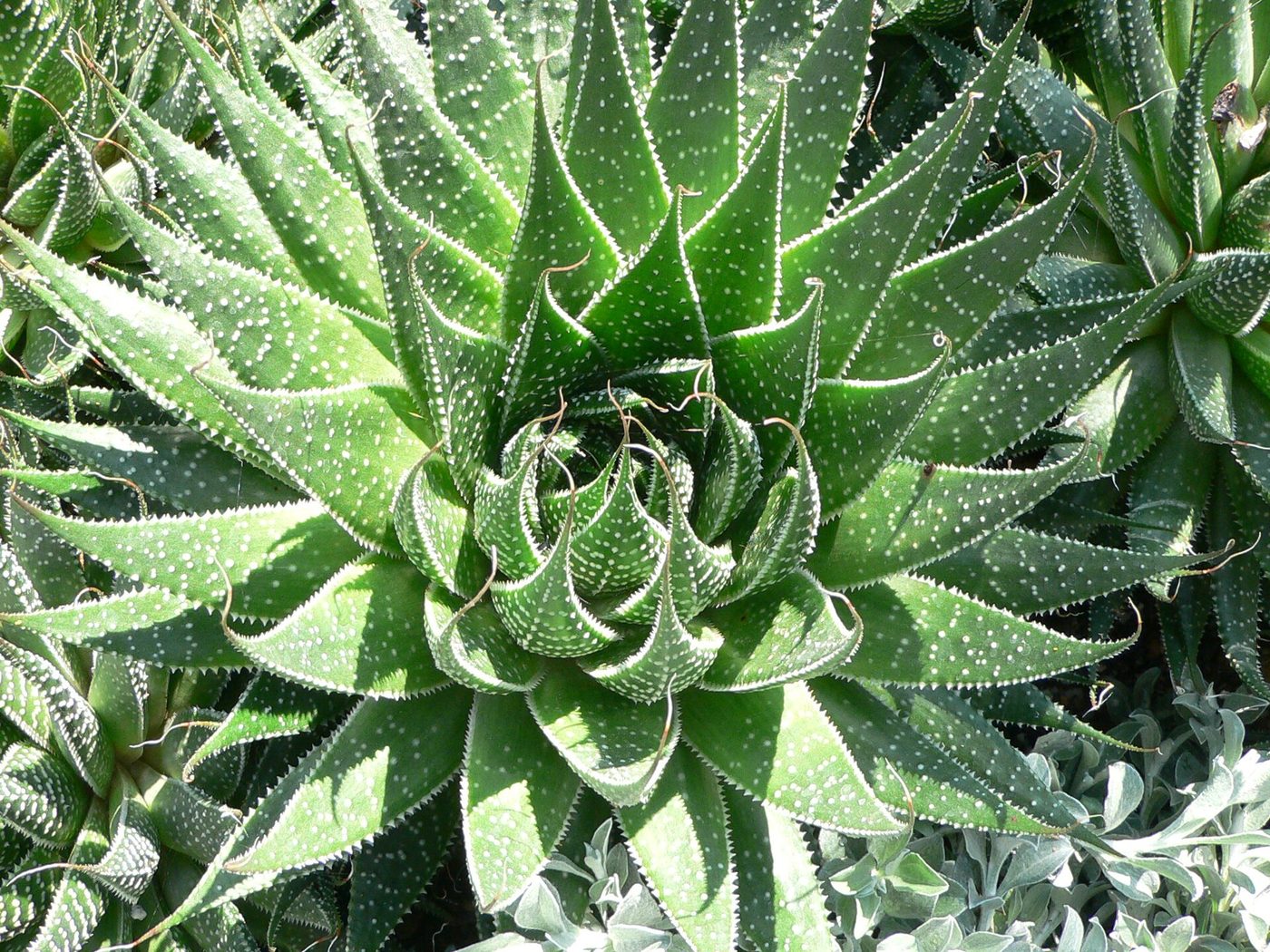
The lace aloe is a small rosette-forming succulent with dark green white-spotted leaves edged with soft bristles, like lace.
Characteristics
Description
The lace aloe, now also classified as Aristaloe aristata, is a small perennial succulent of the asphodel family. It forms a compact, stemless rosette of fleshy, triangular, pointed leaves, dark green, dotted with small white tubercles and edged with dense soft bristles that resemble lace. The leaf tips end in a fine filament, hence the species name aristata ('awned'). In summer it produces flower stalks with orange-red tubular flowers, rich in nectar, much loved by bees and birds.
Origin
It is native to southern Africa, to South Africa, Lesotho and neighbouring regions, where it grows in rocky, mountainous habitats. It is one of the most cold-hardy aloes, able to withstand moderate frosts down to about -10 °C in dry soil.
Cultivation and care
It is a very easy, tough succulent, excellent both in a pot and in the rock garden in mild regions. It wants plenty of light, including direct sun, and a very free-draining soil. Water moderately in summer, letting the mix dry out well, and hardly at all in winter. It produces numerous offsets at the base, easy to separate for propagation.
- Place in a very bright spot, including full sun
- Water only when the mix is dry
- Separate the offsets to propagate it easily
Did you know?
Thanks to its hardiness, it is one of the few aloes that can be grown outdoors even in non-tropical climates. Its flowers are a valuable early-summer nectar source.
Flowering season
Practical tips
Water needs: Low — always check soil moisture before watering.
Prefers Full sun or bright indirect light: provide the right light and rotate the plant for even growth.
Recommended soil: Sandy, very free-draining. Refresh the substrate every 1-2 years.
Dust the leaves with a damp cloth to support photosynthesis.
Feed during the growing season (spring-summer) and stop in winter.
Pros
- Very easy and tough
- Among the most cold-hardy aloes
- Nectar-rich flowers loved by bees and birds
Cons
- Dislikes waterlogging and rot
- Slow growth
- Does not tolerate hard frost or wet winter soil