Herbs
Lemon Balm: How to Grow It for Teas and Cooking
Melissa officinalis
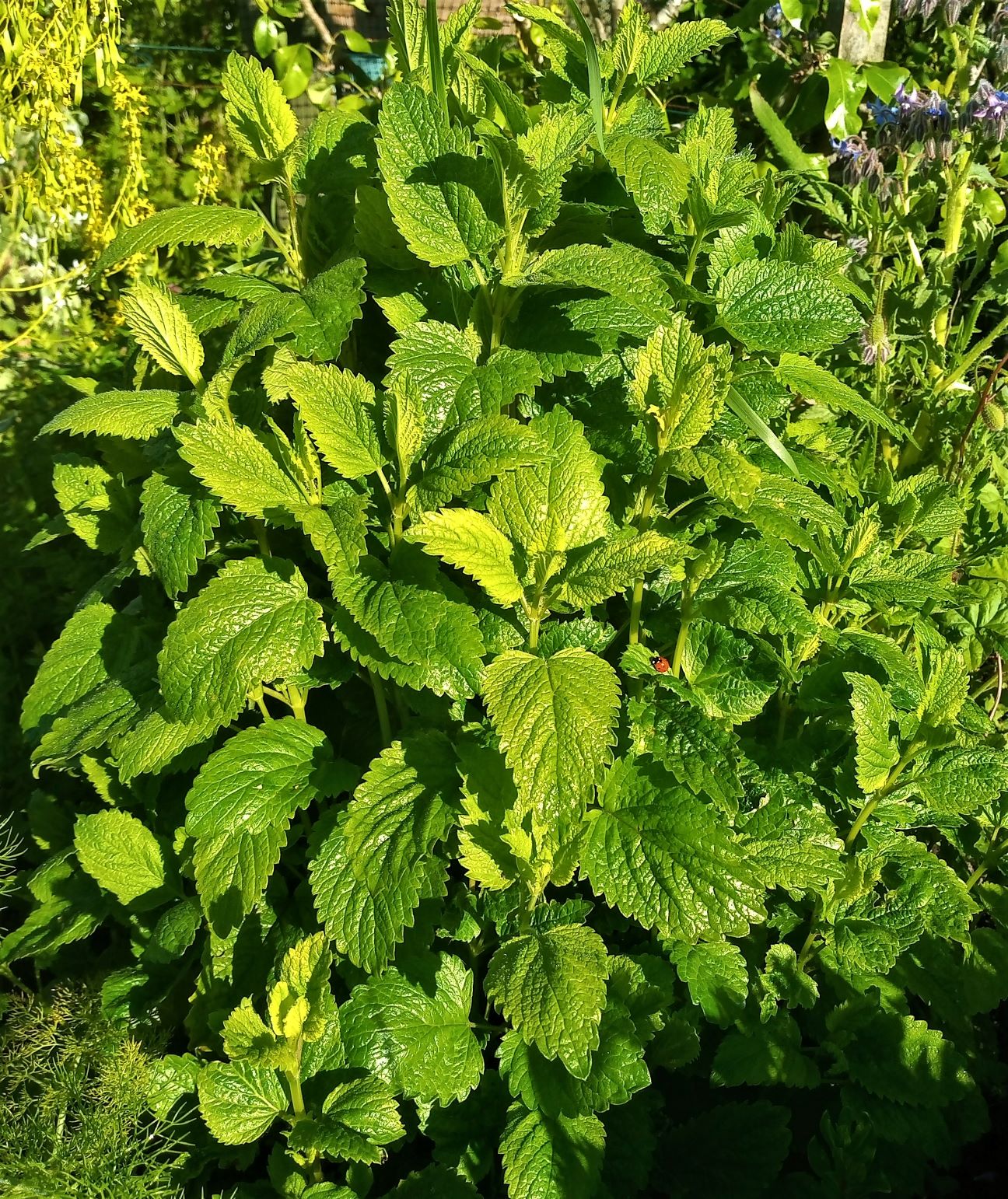
Growing lemon balm: lemon-scented perennial herb, perfect for calming teas. Grows easily in partial shade and moist fertile soil.
Characteristics
Scientific nameMelissa officinalis
Height30-80 cm
Sunlightmezz'ombra
Watermedia
Soilfertile umido
Toxicitynon tossica
Growthrapida
Temperature0-30 °C
FloweringJun, Jul, Aug
IrrigationWater 2-3 times a week keeping the soil cool: lemon balm suffers in prolonged drought.
Lemon balm is a perennial herb with citrusy lemon scent, prized for relaxing teas and cooking. It grows vigorously in partial shade on fertile, moist soil, flowering from June to August. It attracts bees and butterflies, perfect for pots or borders.
Flowering season
JanFebMarAprMayJunJulAugSepOctNovDec
Practical tips
Watering
Water needs: media — always check soil moisture before watering.
Position
Prefers mezz'ombra: provide the right light and rotate the plant for even growth.
Substrate
Recommended soil: fertile umido. Refresh the substrate every 1-2 years.
Leaves
Dust the leaves with a damp cloth to support photosynthesis.
Feeding
Feed during the growing season (spring-summer) and stop in winter.
FAQ
What is lemon balm tea good for?
Lemon balm infusion is traditionally used as a calming and digestive remedy: it helps relax the nervous system and encourages sleep in the evening.
How do you harvest lemon balm?
Harvest leaves between June and August, before flowering for maximum aroma: use scissors in the morning on dry days with no dew.