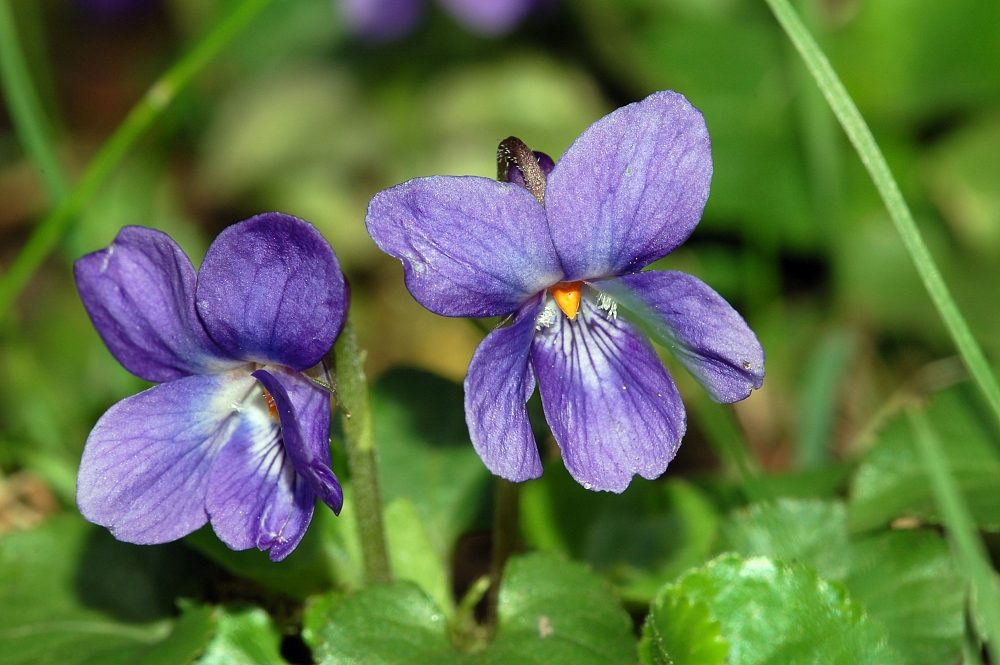
Photo: Fritz Geller-Grimm · CC BY-SA 2.5
Sweet violet
Viola odorata
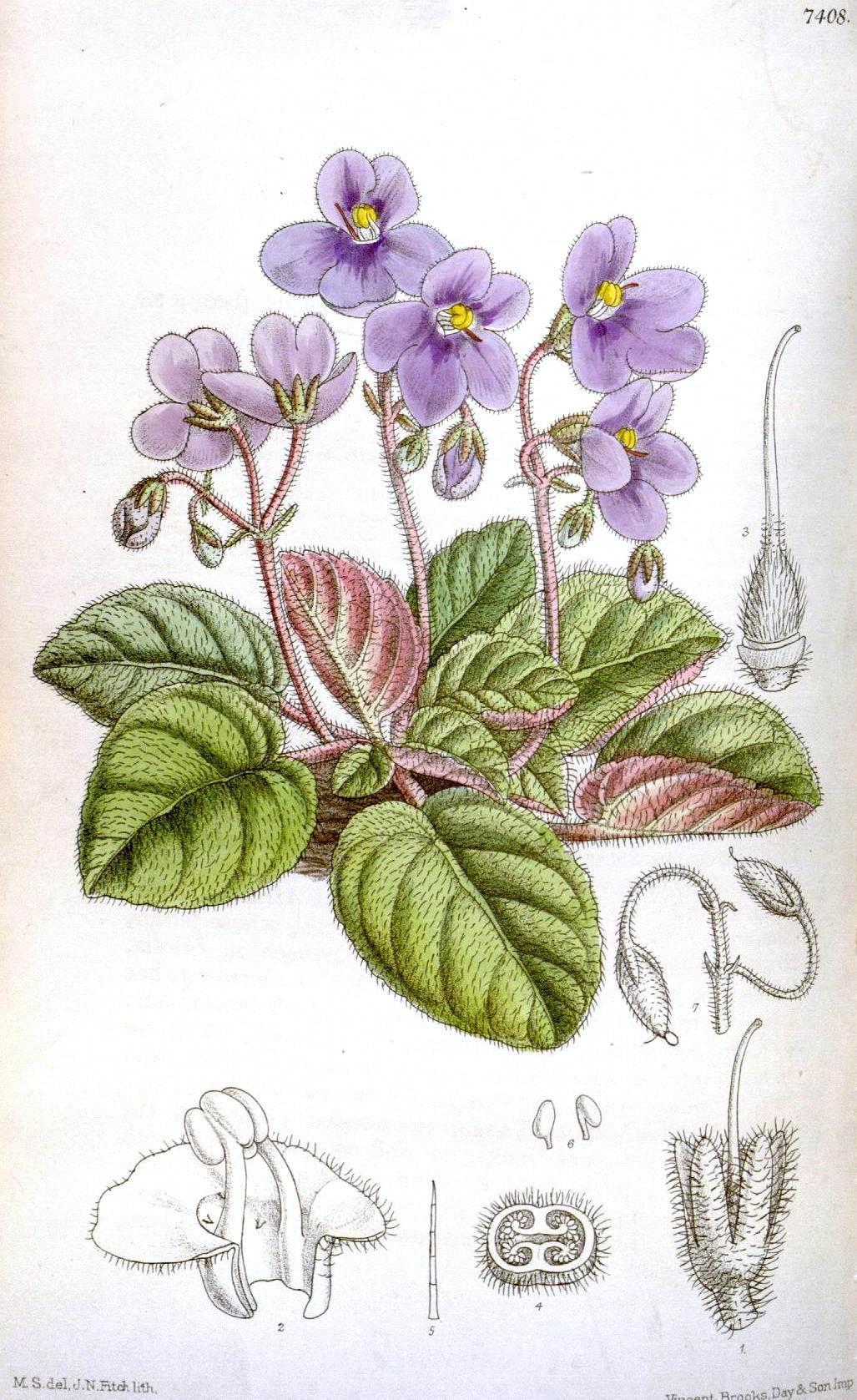
Small, humble and intensely fragrant, the sweet violet announces the end of winter with its violet flowers hidden among heart-shaped leaves.
Characteristics
A small but unmistakable flower
The sweet violet is a small herbaceous perennial, low and delicate, rarely exceeding fifteen centimetres in height. The leaves, a deep green, have the characteristic heart shape and form compact tufts from which the flowers emerge. These are usually a deep violet, sometimes white, with five petals and the irregular structure typical of the genus. What makes this plant famous, however, is its scent: sweet, intense and unmistakable, one of the most loved among wild flowers.
Origin and distribution
It is native to Europe and Asia and has been introduced to many other regions of the world. It grows wild in woods, along hedges, at the edges of paths and in shady meadows, preferring cool, sheltered places. It flowers very early, often as early as the end of winter, becoming one of the first signs of the arrival of the fine season.
Cultivation and care
The sweet violet is easy to grow and undemanding. It prefers partly shaded or shaded positions, where the soil stays cool and moist, rich in organic matter. It dislikes, on the other hand, the direct, scorching sun of summer. It is a hardy plant that copes well with cold. It multiplies easily through stolons, the creeping stems with which it spreads to form flowering carpets. In the garden it is perfect for shaded borders, woodland areas and pots.
Uses and curiosities
Since antiquity the sweet violet has been cultivated and prized: its fragrant flowers are used in perfumery, in confectionery for decorations and sweets, and in traditional preparations. It has always been a symbol of modesty and delicacy, precisely for its habit of hiding its small flowers among the leaves. Its scent has a curious feature: it contains substances that temporarily 'numb' the sense of smell, so it seems to fade and then reappear.
Flowering season
Practical tips
Water needs: Regular, likes cool soils — always check soil moisture before watering.
Prefers Partial shade or shade: provide the right light and rotate the plant for even growth.
Recommended soil: Cool, moist and humus-rich. Refresh the substrate every 1-2 years.
Dust the leaves with a damp cloth to support photosynthesis.
Feed during the growing season (spring-summer) and stop in winter.
Pros
- Sweet, unmistakable fragrance
- Among the first flowers to bloom in late winter
- Easy to grow and undemanding
- Edible flowers, used in perfumery
Cons
- Dislikes direct, scorching summer sun
- Can become invasive through stolons
- Short flowering, concentrated in early season