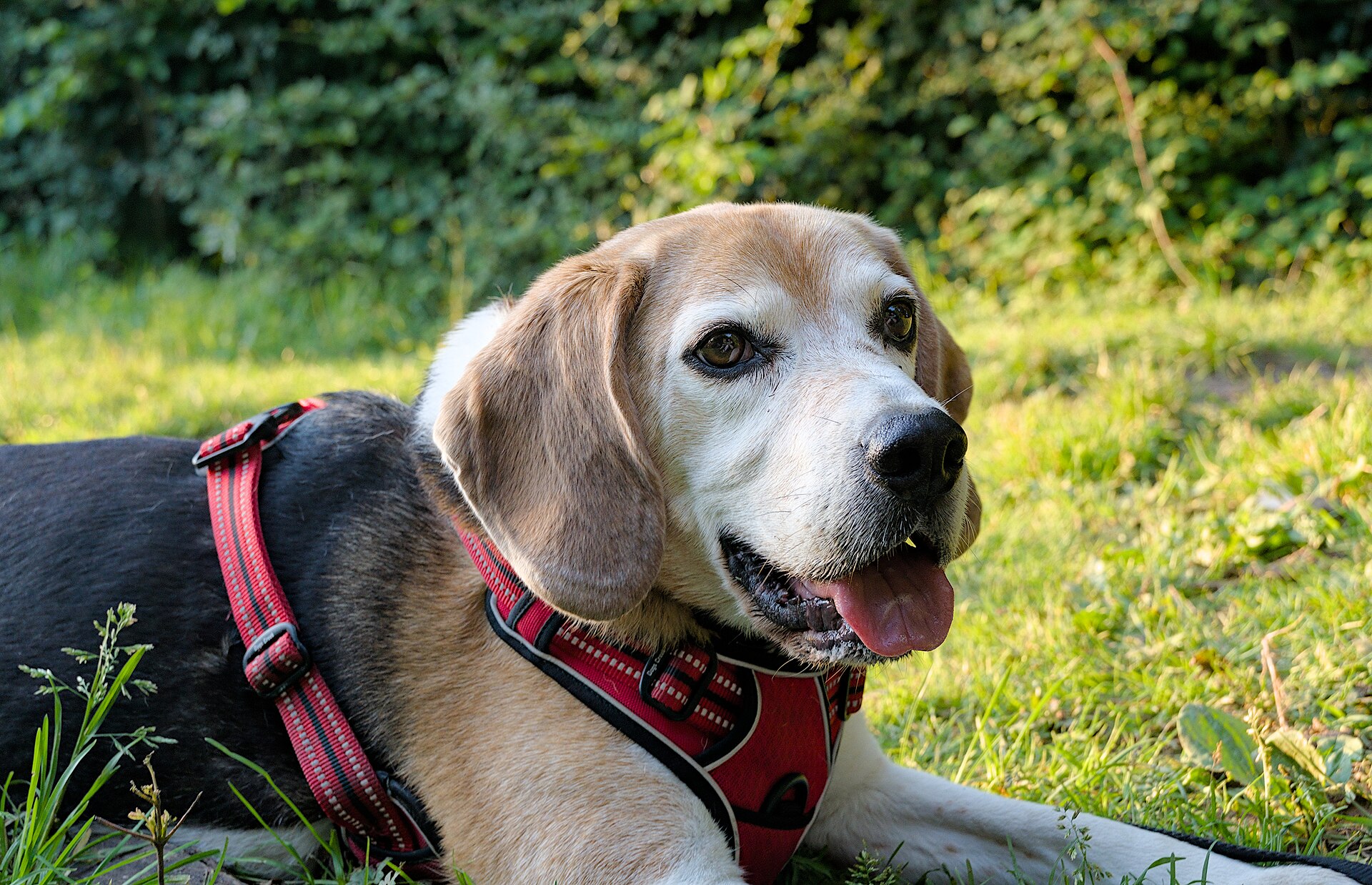
Beagle
Characteristics
Temperament
Cheerful, sociable, curious. Exceptional sense of smell (3rd in the world after Bloodhound). Strong tracking instinct: escape risk. Vocal: bark, howl, bay.
Diet
Omnivore with carnivorous tendency. Kibble 22-26% protein, 10-14% fat, 2 meals a day. OBESITY RISK: strict portions, limited treats.
The Beagle is a British dog breed belonging to the scenthound group. Bred for centuries as a hare-hunting dog, it is today one of the most widespread companion breeds in the world thanks to its balanced character, medium size and unmistakable appearance with drooping ears, gentle gaze and tricolour coat. It is also famous for its extraordinary sense of smell, second only to that of the Bloodhound.
Classification and category
The Beagle belongs to the species Canis lupus familiaris, class Mammalia, order Carnivora, family Canidae. It is classified by the Fédération Cynologique Internationale (FCI) in Group 6 (scenthounds and related breeds), section 1.3 (small-sized scenthounds), standard no. 161. The breed was officially recognised by the British Kennel Club in 1873.
It is a medium-small dog, perfectly proportioned with solid bone: shoulder height ranges from 33 to 40 cm and average adult weight is 9-15 kg, with males noticeably larger than females. The build is athletic but compact, designed for stamina in prolonged pack hunting.
Habitat and distribution
The origin of the Beagle goes back centuries and is rooted in the English countryside, where hare-hunting dogs similar to the modern Beagle are documented as early as the 14th-15th centuries. The name may derive from the French beegueule ("open throat", from the characteristic loud bay) or from the Gaelic beag ("small"). The modern breed was standardised in England in the second half of the 19th century by Reverend Phillip Honeywood, who selected the most typical specimens from aristocratic packs.
Today the Beagle is widespread worldwide as a companion dog and, to a lesser extent, as a working hunting dog. In the United States it is regularly among the top ten most popular breeds. It is also employed in many professional disciplines: detection of explosives, drugs and prohibited agricultural products (the famous "Beagle Brigade" of US customs). The ideal domestic habitat is an active family with access to a secure garden, but the Beagle can also adapt to apartment life as long as it receives at least 1-2 hours of daily walks.
Diet
The Beagle is an omnivore with a carnivorous tendency, like all domestic dogs. High-quality kibble with a protein content of 22-26% and a good fat balance (10-14%) is recommended, divided into two daily meals. The breed is famous for "never appearing satisfied": its appetite is inexhaustible and the Beagle struggles to self-regulate.
For this reason it is one of the breeds most prone to overweight: veterinarians estimate that over 30% of adult Beagles worldwide are clinically obese. It is essential to strictly observe the portions indicated on packaging, limit treats during training (replacing them with kibble from the meal) and maintain consistent physical activity. Water always available and fresh.
Physical features
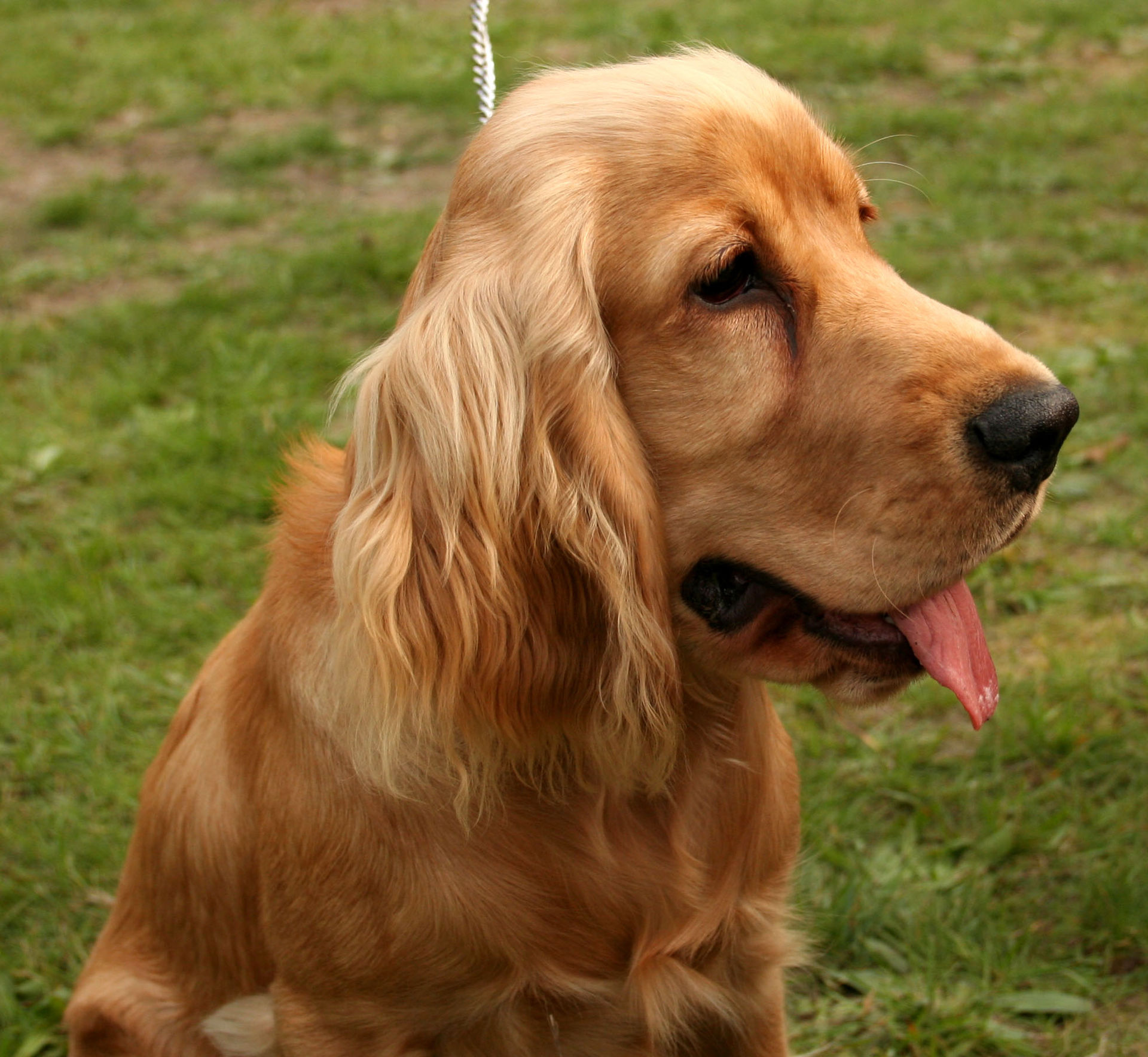
The Beagle has a compact, muscular body, with a broad chest, straight back and relatively short but solid legs. The head is broad, slightly domed, with well-defined stop and very long, low-set, silky ears that hang along the cheeks — a classic hallmark of scenthounds, useful for "gathering" odours from the ground towards the nose. The gaze is gentle, with large brown or hazel eyes.
The coat is short, dense and weatherproof, in three main colour patterns: tricolour (black, brown and white — the most classic), bicolour (lemon and white, red and white) and black and tan. The tail is medium-long, carried high in a sabre shape and almost always with a white tip — a feature specifically selected to make it visible to the hunter in tall grass. The sense of smell is extraordinary: over 220 million olfactory receptors (compared to 5 million in humans) make it the third dog in the world for olfactory sensitivity, after Bloodhound and Basset Hound.
Behaviour and curiosities
The Beagle is famous for its cheerful, sociable, balanced and curious character. It gets along with children, other dogs and generally also with cats if raised with them. It is not territorial and usually welcomes anyone with a wagging tail: this is why it is not a guard dog. Early socialisation is important to avoid shyness or excessive enthusiasm.
The flip side is a very strong tendency to follow scent trails: once on an interesting track, the Beagle can completely ignore the owner's recalls, escape and travel kilometres. For this reason it is a breed that should never be left loose in unfenced areas. Another peculiarity is vocalisation: instead of the classic bark, it has three types of sound — the standard bark, the howl (deep wail) and the characteristic bay (melodic, prolonged cry used in hunting). Beagles "talk" a lot and this can be a problem in flats. Lifespan is 12-15 years, with documented cases exceeding 17. Genetic predispositions include idiopathic epilepsy, hypothyroidism and some cardiac malformations, today monitored in serious breeding programmes.
Pros
- Carattere allegro e socievole
- Ottimo con bambini e altri animali
- Taglia gestibile, adatto anche in appartamento
- Intelligente e curioso
Cons
- Tendenza all'obesità: serve dieta rigorosa
- Fugace: mai libero in zone non recintate
- Molto vocale (bay tipico)
- Non è un cane da guardia (accoglie chiunque)