Photo: Wikimedia Commons · CC BY 3.0
Peppermint
Mentha ×piperita
Fresh, sharp and rich in menthol, peppermint is one of the most loved aromatic herbs, very easy to grow and able to scent teas, desserts and dishes.
Characteristics
The most refreshing herb
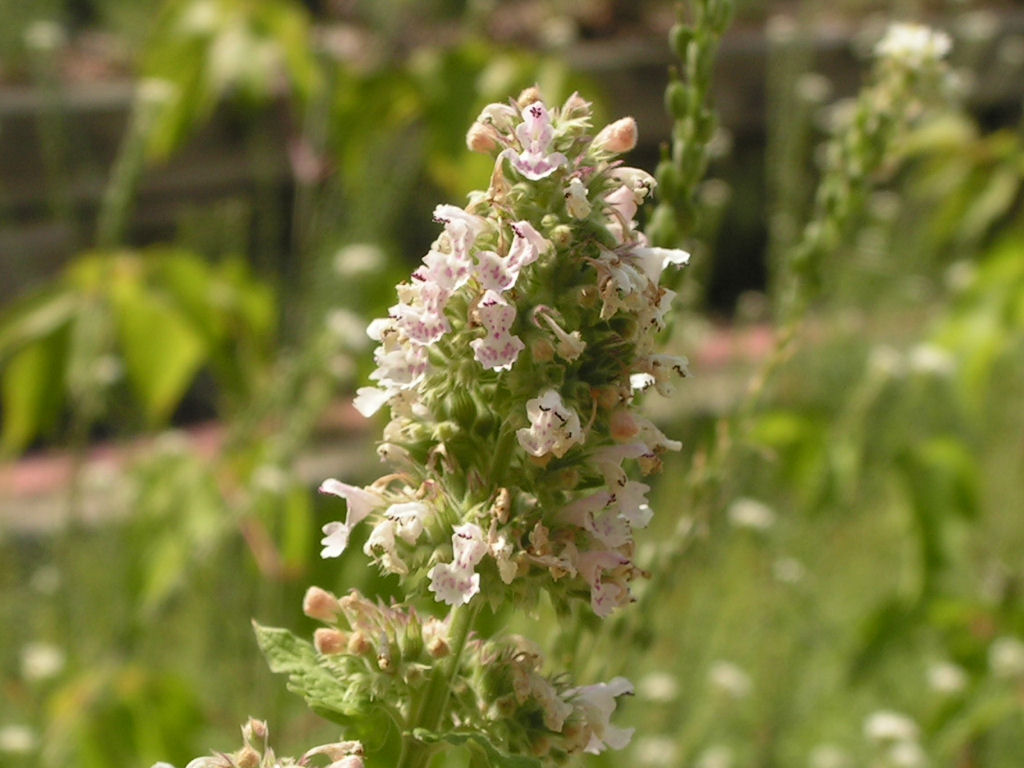
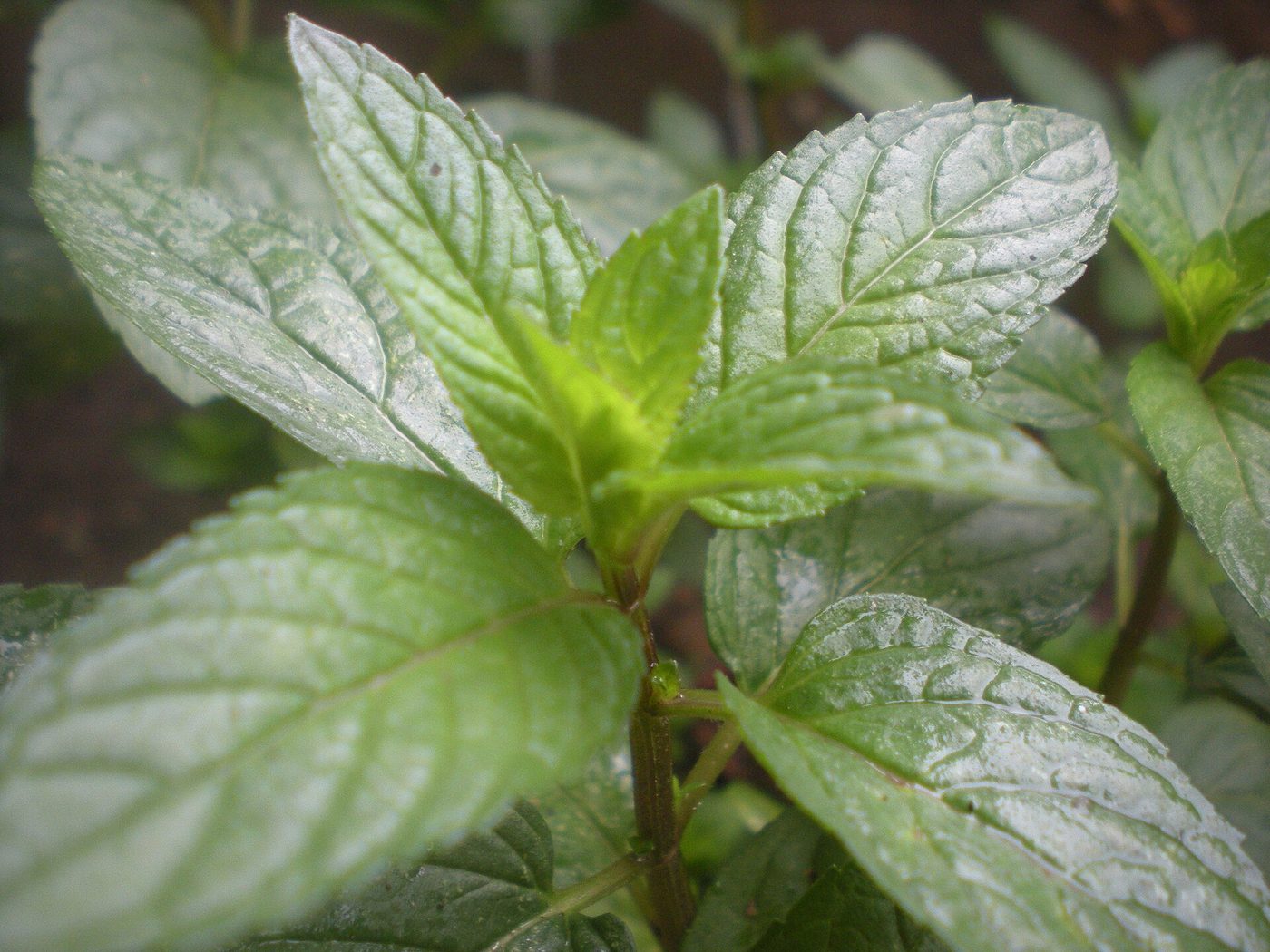
Peppermint is a strongly aromatic herbaceous perennial, with a characteristic fresh, sharp scent. It is a hybrid, born from the cross between watermint and spearmint, and differs from other mints precisely in its high menthol content, which gives it its intense, refreshing flavour. It has upright stems, often reddish in colour, oval and toothed leaves of a dark green, and small lilac flowers gathered in spikes that appear in summer.
Origin and distribution
Native to Europe and the Middle East, it is now cultivated in very many regions of the world. Being a hybrid, it has spread above all through cultivation, although it is occasionally found in the wild near the species from which it derives. It was cultivated systematically from the 17th century in England, and since then its fame has only grown.
Cultivation and care
Peppermint is among the easiest herbs to grow. It prefers sunny or partly shaded positions and a cool, rich and always moist soil. It grows with great vigour thanks to its stolons, the underground stems with which it spreads rapidly: for this reason it is advisable to grow it in a pot or to confine its space, to prevent it from invading the whole garden. It should be watered regularly and pruned from time to time to stimulate new tender, fragrant shoots. It is very hardy and copes well with winter cold.
Culinary uses and curiosities
Peppermint leaves, fresh or dried, are used for teas, infusions, desserts, ice creams, cocktails and savoury dishes. The essential oil obtained from it is very rich in menthol, used in sweets, toothpastes, hygiene products and in herbalism. It is a friend of the vegetable garden too, because its intense scent keeps many unwanted insects away.
Flowering season
Practical tips
Water needs: Abundant, loves moist soils — always check soil moisture before watering.
Prefers Full sun or partial shade: provide the right light and rotate the plant for even growth.
Recommended soil: Cool, rich and well-drained. Refresh the substrate every 1-2 years.
Dust the leaves with a damp cloth to support photosynthesis.
Feed during the growing season (spring-summer) and stop in winter.
Pros
- Fresh scent rich in menthol
- Very easy to grow
- Excellent for teas, desserts and dishes
- Keeps many insects away from the garden
Cons
- Invasive: spreads rapidly through stolons
- Needs constantly moist soil
- Best grown in a pot or confined