Sweet cicely
Myrrhis odorata
Sweet cicely is a perennial herb with a delicate aniseed scent, feathery leaves and edible seeds used as a natural sweetener.
Characteristics
The herb that tastes of aniseed
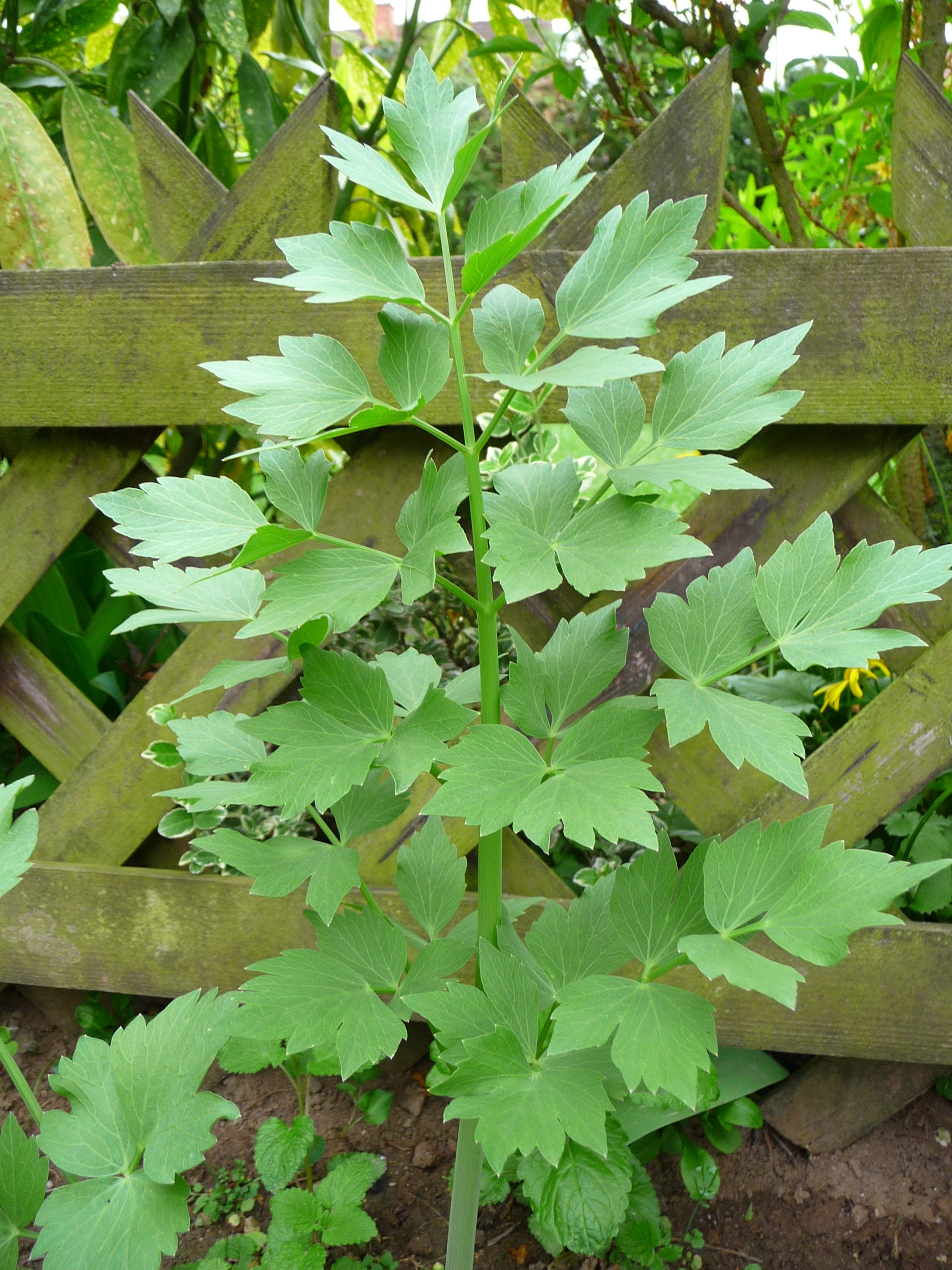
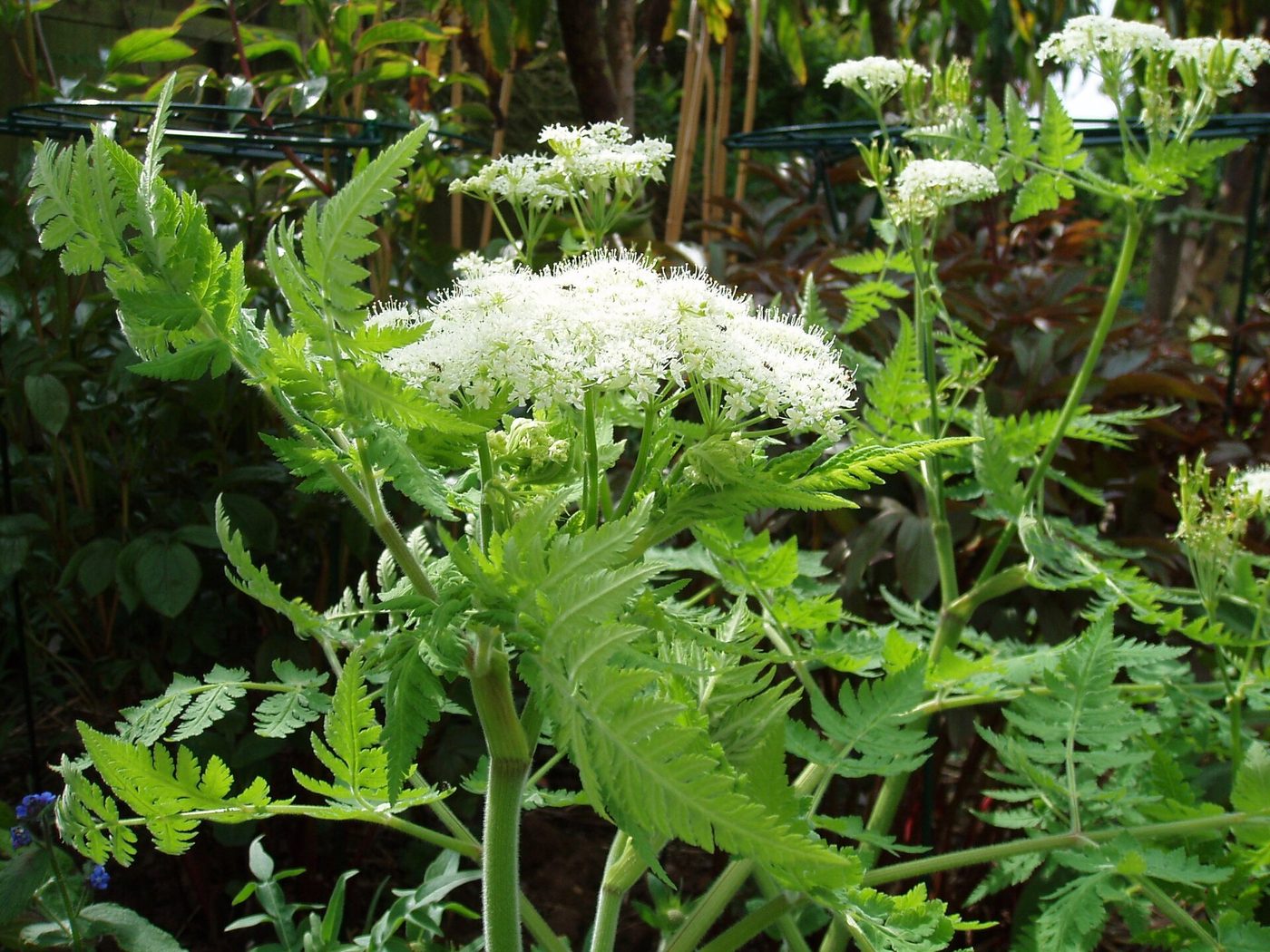
Sweet cicely is a robust perennial herb of the celery family, Apiaceae, the same as fennel, dill and parsley. It is the only species of the genus Myrrhis. It forms a broad clump of very dense, feathery, finely divided pale-green leaves, resembling those of a fern. In late spring it produces broad umbels of small white flowers, followed by long, glossy black seeds. The whole plant gives off an intense, sweet scent of aniseed.
Origin and habitat
It is widespread across much of Europe, where it grows in cool meadows, woodland clearings and along watercourses, in mountains and hills. It favours cool spots and moist, fertile soils.
Culinary uses
Every part of the plant is edible and sweet. The tender leaves are used fresh in salads, sauces and omelettes; the unripe seeds, tender and crunchy, are a pleasant snack with an aniseed-liquorice flavour. Its natural sweetness makes it useful for reducing sugar when cooking tart fruit, such as rhubarb. The root is also edible.
Cultivation
It is easy to grow and very hardy. It prefers part shade and a cool, deep, fertile soil. It withstands cold winters well and is one of the first herbs to reappear in late winter. It is loved by pollinators when in flower and self-seeds readily.
Care
It needs little attention: regular watering to keep the soil cool. It has a long taproot and resents transplanting once mature, so it is best placed in a permanent spot. It is entirely safe and non-toxic.
Flowering season
Practical tips
Water needs: Moderate, likes cool soils — always check soil moisture before watering.
Prefers Part shade or bright part shade: provide the right light and rotate the plant for even growth.
Recommended soil: Fertile, cool, deep and well-drained. Refresh the substrate every 1-2 years.
Dust the leaves with a damp cloth to support photosynthesis.
Feed during the growing season (spring-summer) and stop in winter.
Pros
- Sweet aniseed-scented leaves and seeds
- Natural sweetener for tart fruit
- Hardy, perennial and loved by pollinators
Cons
- Resents transplanting once mature
- Can self-seed abundantly