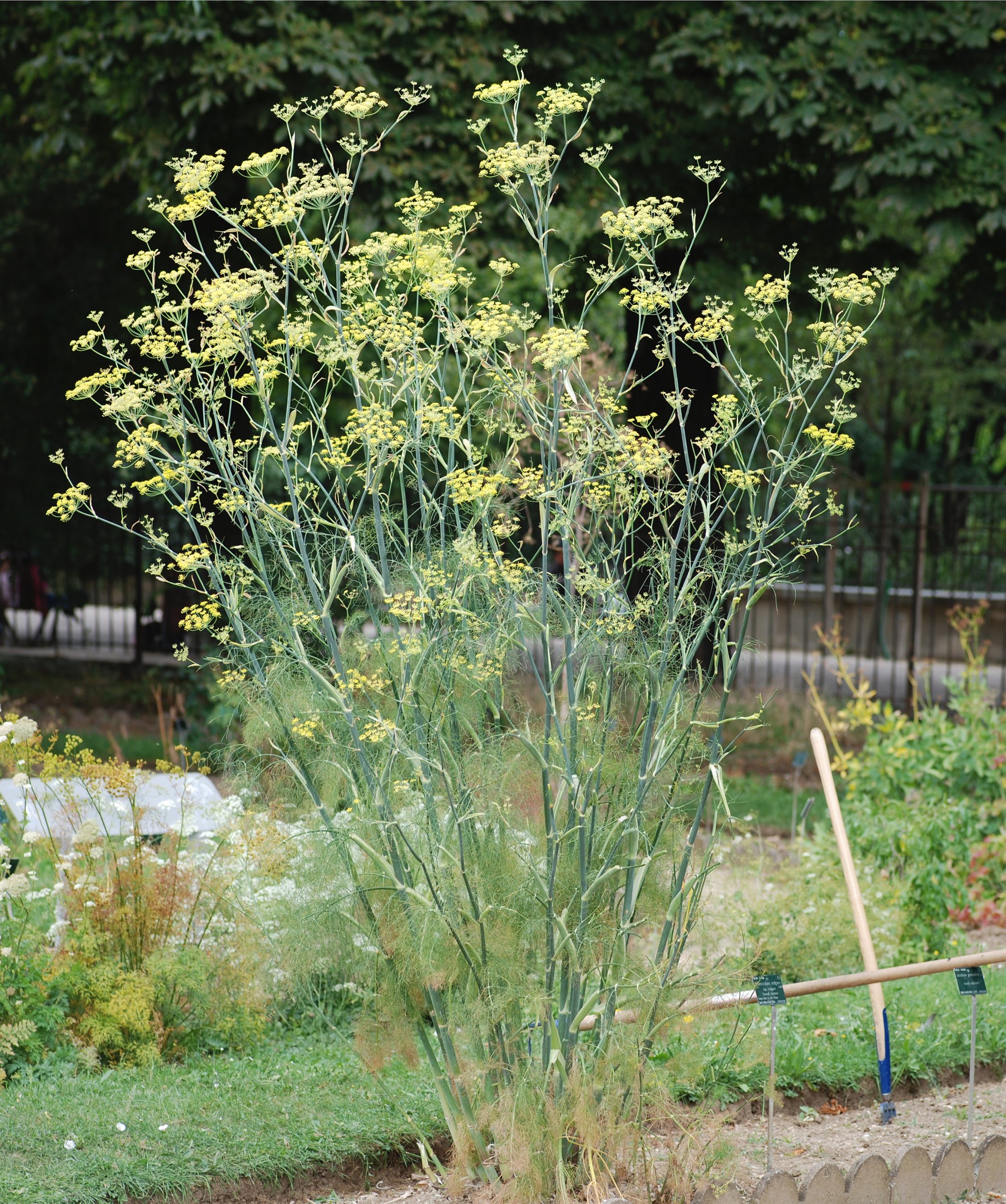
Wild Fennel: How to Grow and Use It in the Kitchen
Foeniculum vulgare
Growing wild fennel: perennial herb with unmistakable anise scent. Spontaneous across the Mediterranean, edible leaves, seeds and flowers.
Characteristics
Wild fennel is a perennial herb naturally spread across the Mediterranean, with an unmistakable anise fragrance. It thrives in full sun on calcareous well-drained soil, tolerating drought and intense heat. All its parts are used in cooking and traditional liqueur making.
Flowering season
Practical tips
Water needs: bassa — always check soil moisture before watering.
Prefers pieno sole: provide the right light and rotate the plant for even growth.
Recommended soil: calcareo drenante. Refresh the substrate every 1-2 years.
Dust the leaves with a damp cloth to support photosynthesis.
Feed during the growing season (spring-summer) and stop in winter.