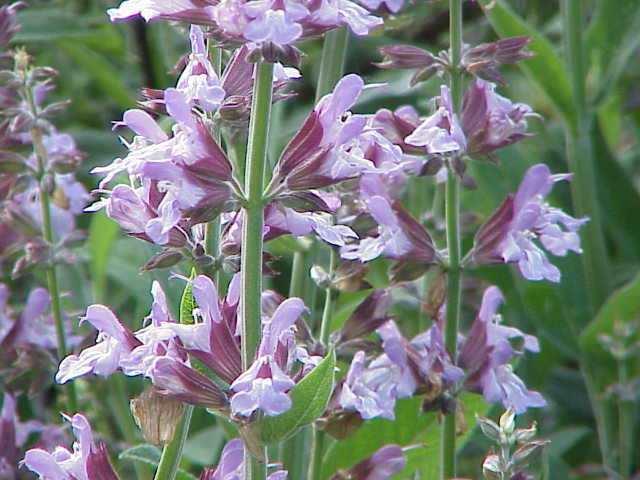
Sage: How to Grow It in the Garden, Pots and Kitchen
Salvia officinalis
Growing sage: perennial herb with velvety leaves, used in cooking and herbal medicine. Hardy, loves sun, drought-tolerant in pots or beds.
Characteristics
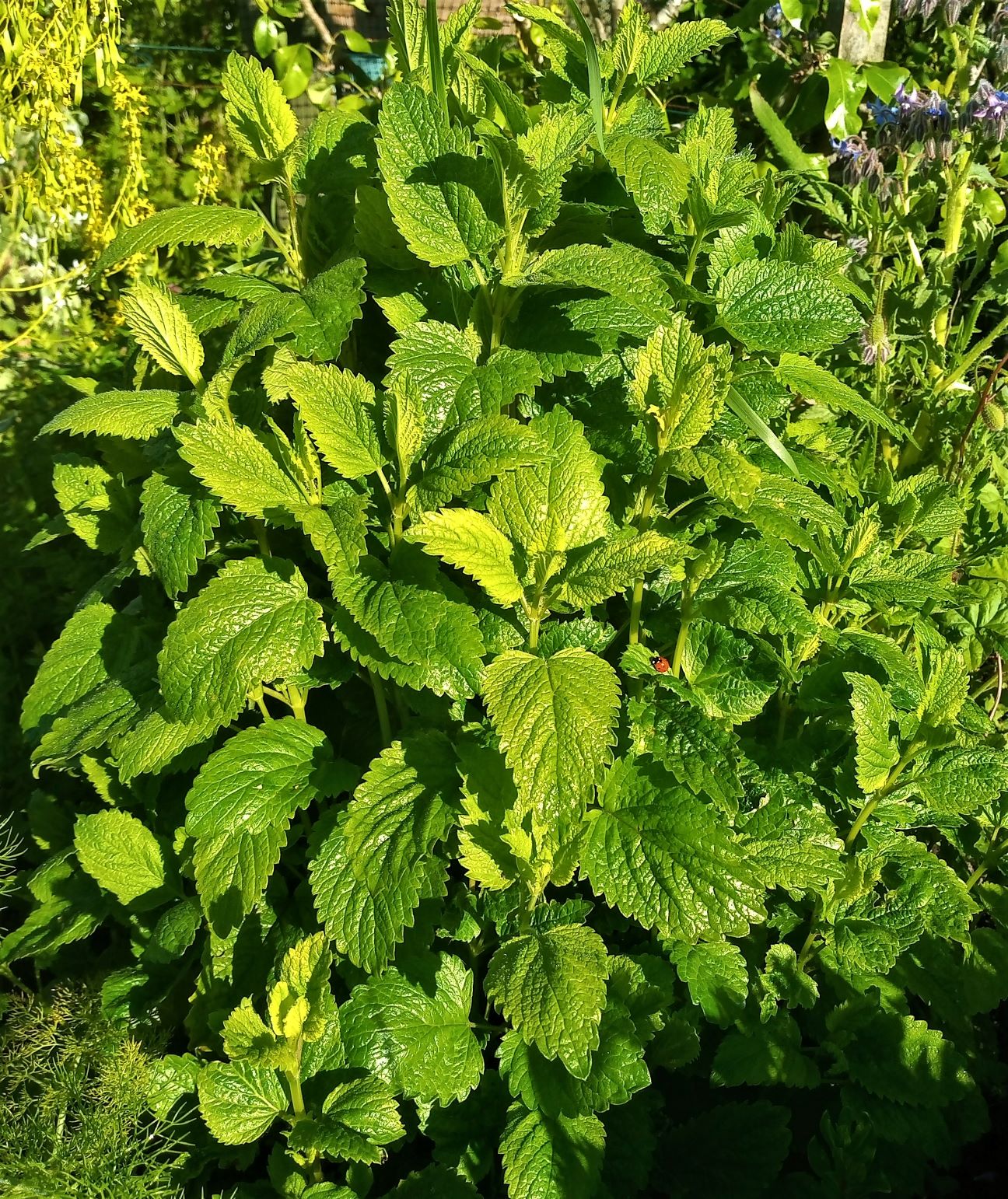
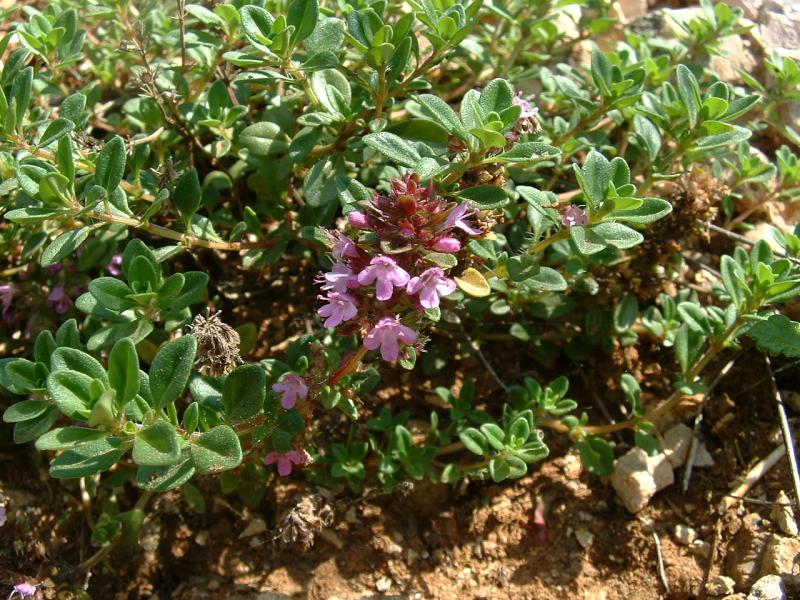
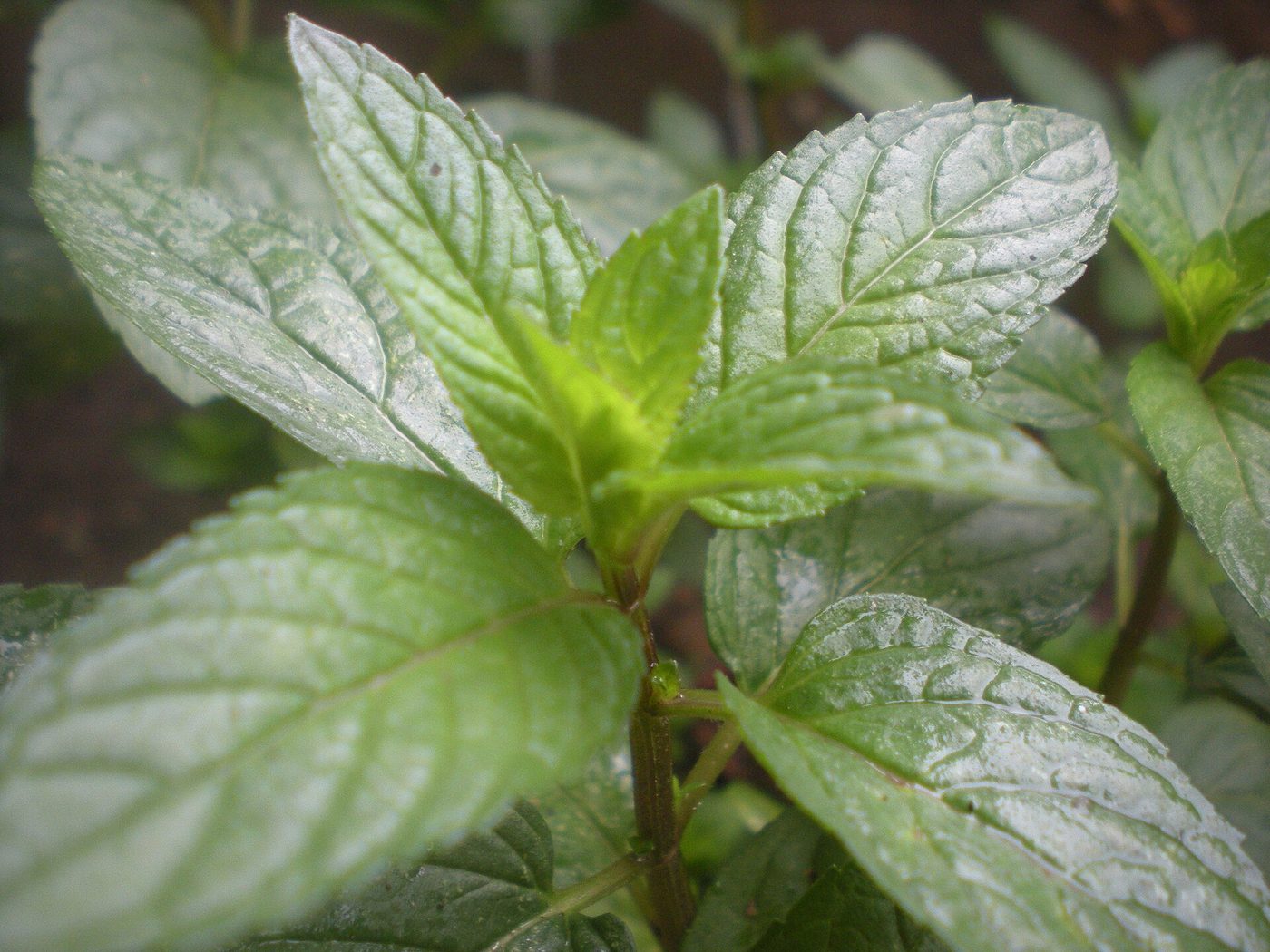
Sage is a perennial herb with velvety, fragrant leaves, used in cooking and herbal medicine for millennia. It thrives in full sun and calcareous, well-drained soil, tolerates drought and light frost. Perfect for vegetable gardens, balconies and borders.
Flowering season
Practical tips
Water needs: low — always check soil moisture before watering.
Prefers full sun: provide the right light and rotate the plant for even growth.
Recommended soil: Calcareous drained soil. Refresh the substrate every 1-2 years.
Dust the leaves with a damp cloth to support photosynthesis.
Feed during the growing season (spring-summer) and stop in winter.