Photo: No machine-readable author provided. Bogdan assumed (based on copyright claims). · CC BY-SA 3.0
Summer savory
Satureja hortensis
Summer savory is a peppery-scented herb, a classic companion to beans in the kitchen, used since antiquity as a spice and medicinal plant.
Characteristics
The peppery herb of beans
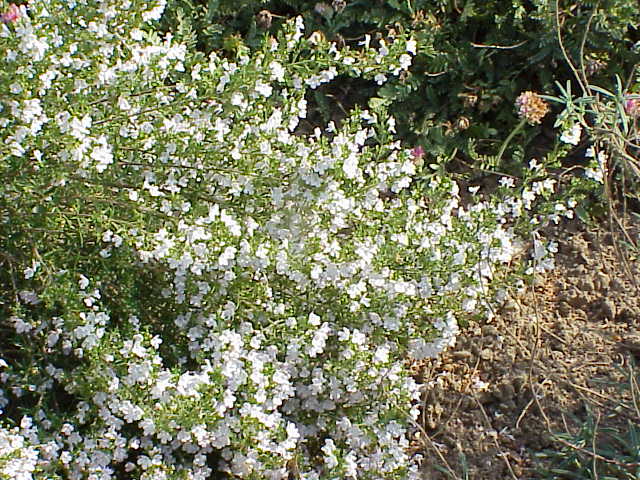
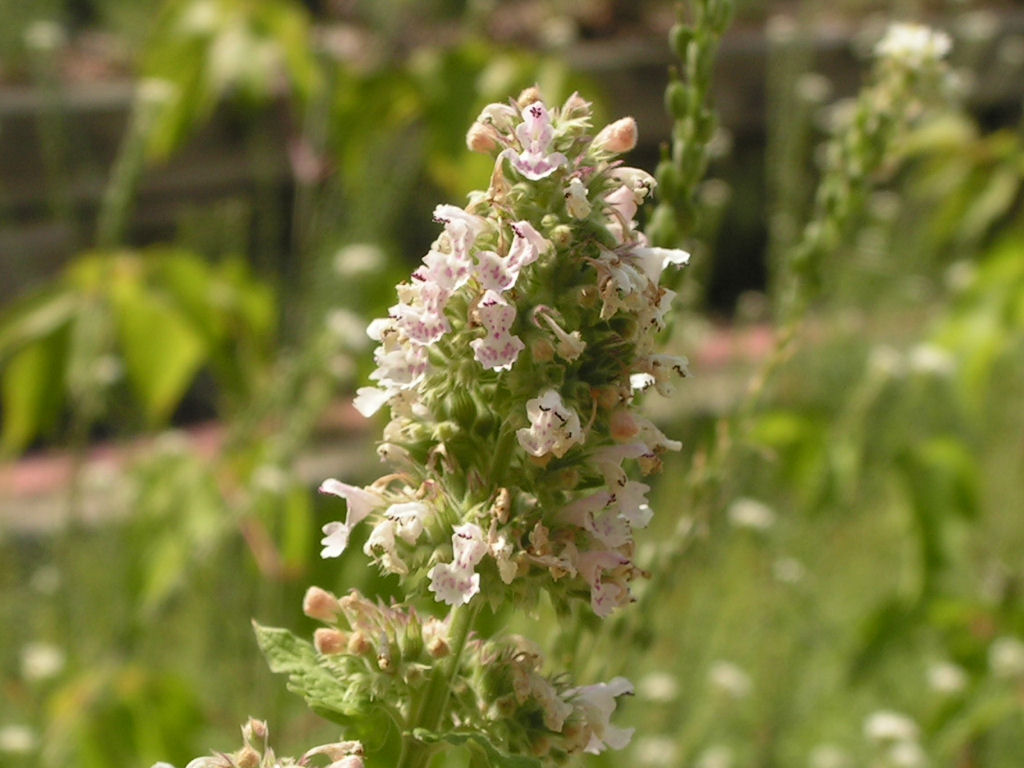
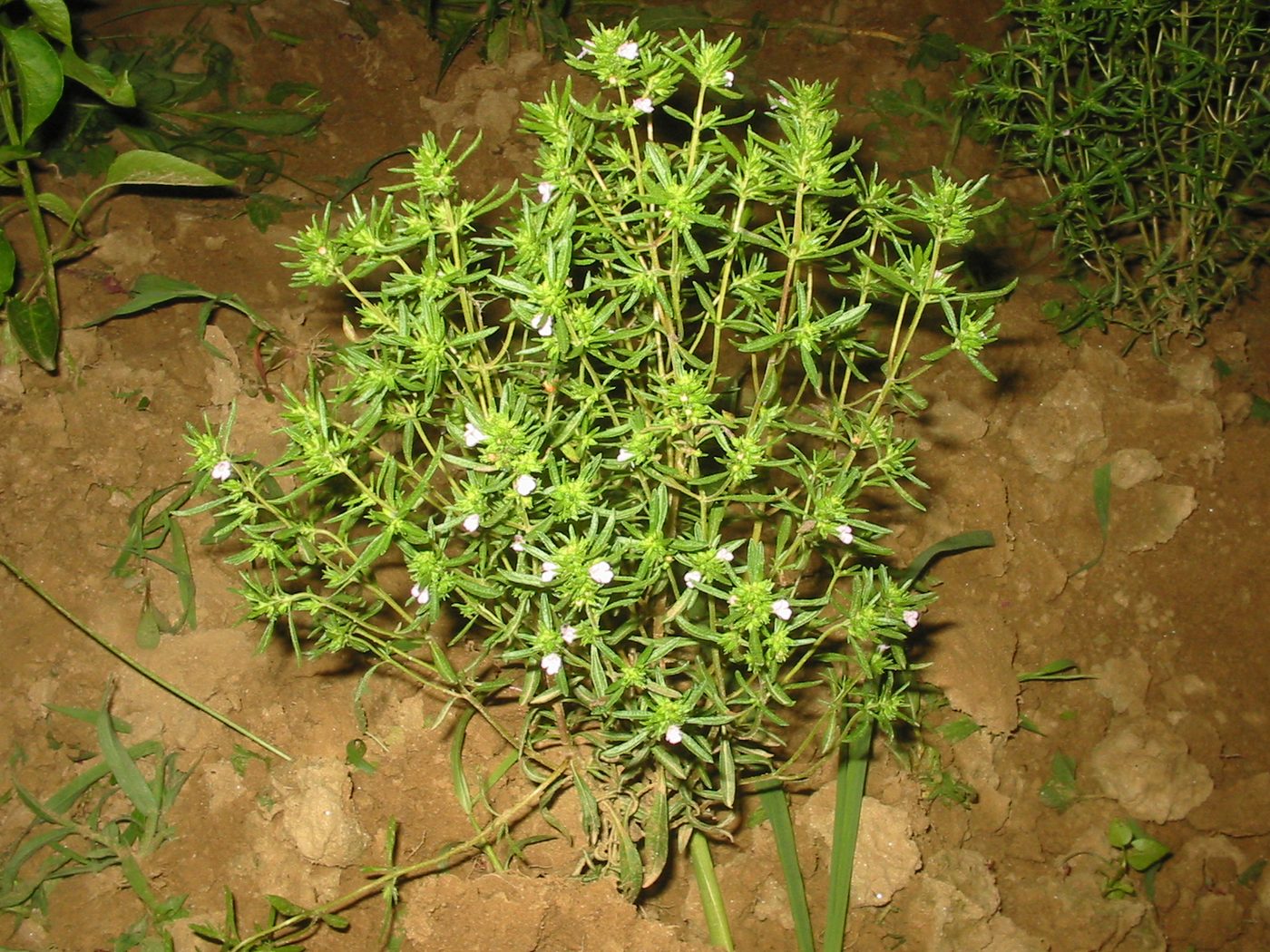
Summer savory is a small aromatic herb of the mint family, Lamiaceae, the same as thyme, oregano and mint. It has slender, branching stems, narrow lance-shaped dark-green leaves, and tiny white-pink flowers that appear in summer. The whole plant gives off an intense, slightly peppery scent, with notes recalling thyme and marjoram. Unlike winter savory, which is perennial, this species is annual.
Origin and habitat
It is native to southern Europe and western Asia, from the Mediterranean region to the Caucasus. It grows in dry, light, sunny soils and has been cultivated in gardens for centuries as an aromatic and medicinal plant.
Culinary uses
It is the bean herb par excellence: it flavours beans, lentils, chickpeas and peas, and is also said to make them easier to digest. It is used too to season meats, sausages, stuffings, marinades and vegetables. The leaves are used fresh or dried; it is a classic ingredient of herb blends such as herbes de Provence.
Cultivation
It is easy to grow in the garden or in a pot. Sow it in spring in full sun, on light, well-drained soil. It loves warmth and dislikes frost, completing its cycle in a single season. Water it moderately, avoiding waterlogging. Harvest it before or during flowering, when the aroma is strongest.
Properties
Used since antiquity also as a medicinal plant, it is traditionally regarded as digestive and carminative. It is non-toxic and entirely safe in the kitchen.
Flowering season
Practical tips
Water needs: Moderate, drought-tolerant — always check soil moisture before watering.
Prefers Full sun: provide the right light and rotate the plant for even growth.
Recommended soil: Light, well-drained and chalky. Refresh the substrate every 1-2 years.
Dust the leaves with a damp cloth to support photosynthesis.
Feed during the growing season (spring-summer) and stop in winter.
Pros
- Peppery aroma, excellent with legumes
- Easy to grow from seed
- Useful to pollinators when in flower
Cons
- Annual: must be resown each year
- Dislikes frost and waterlogging