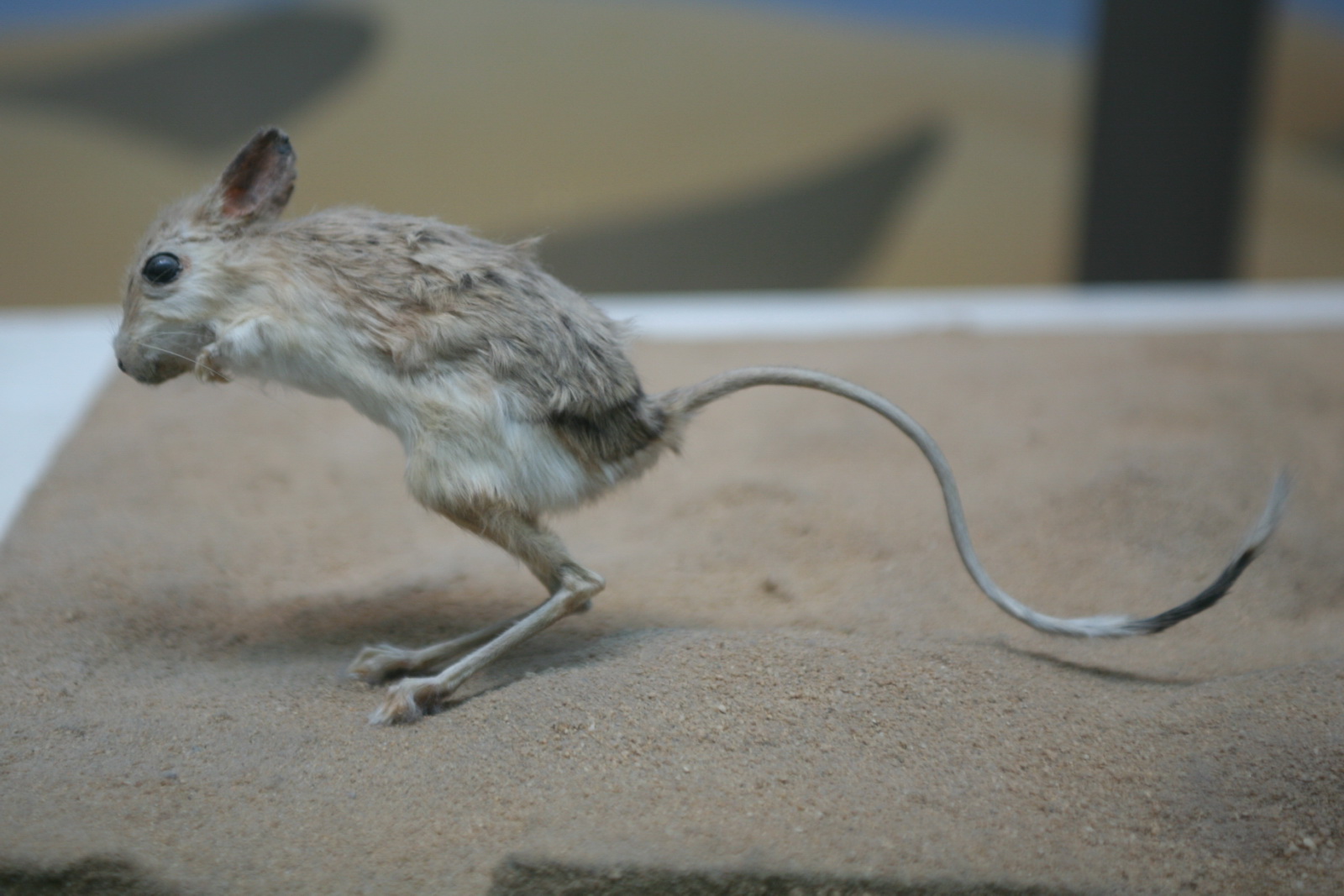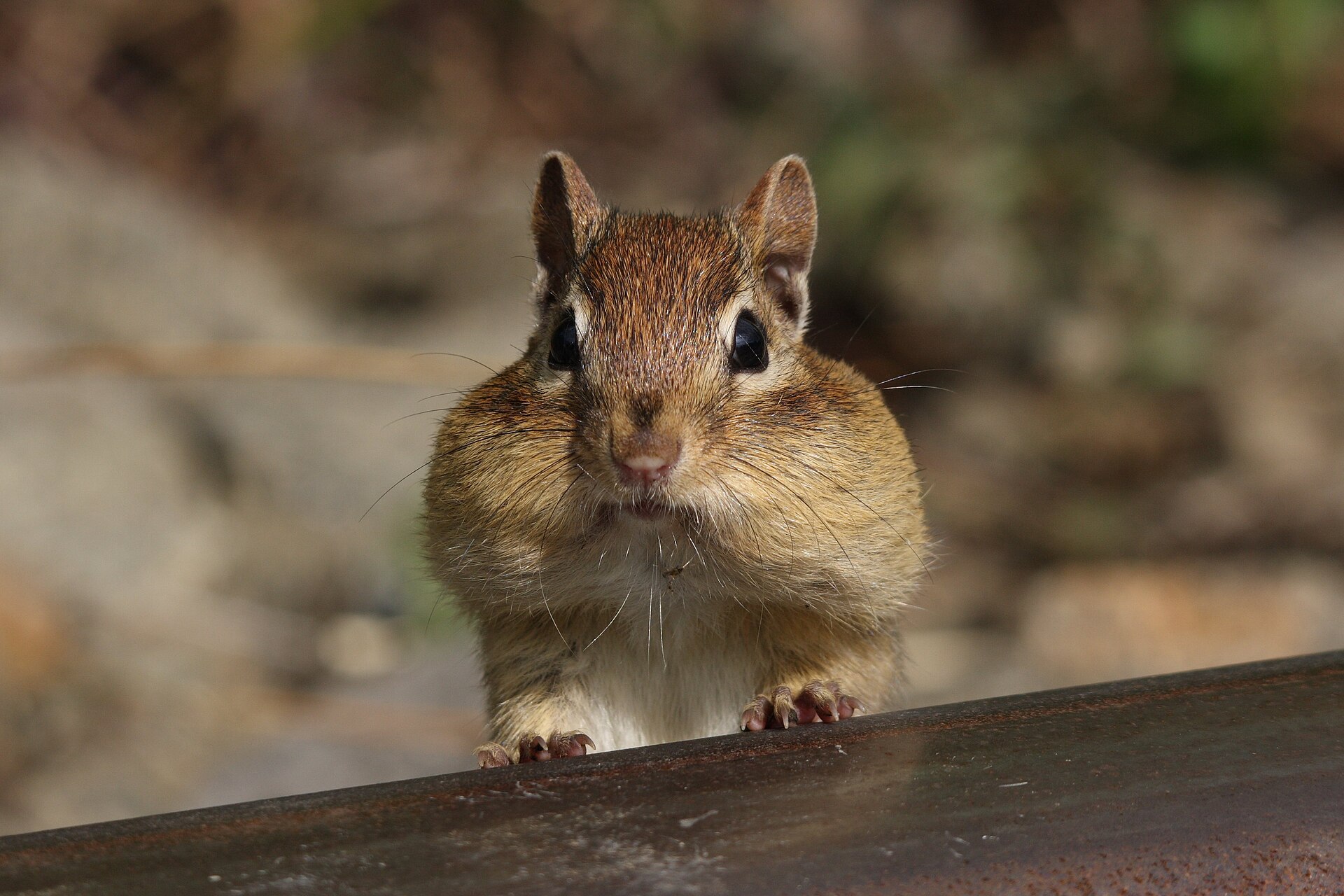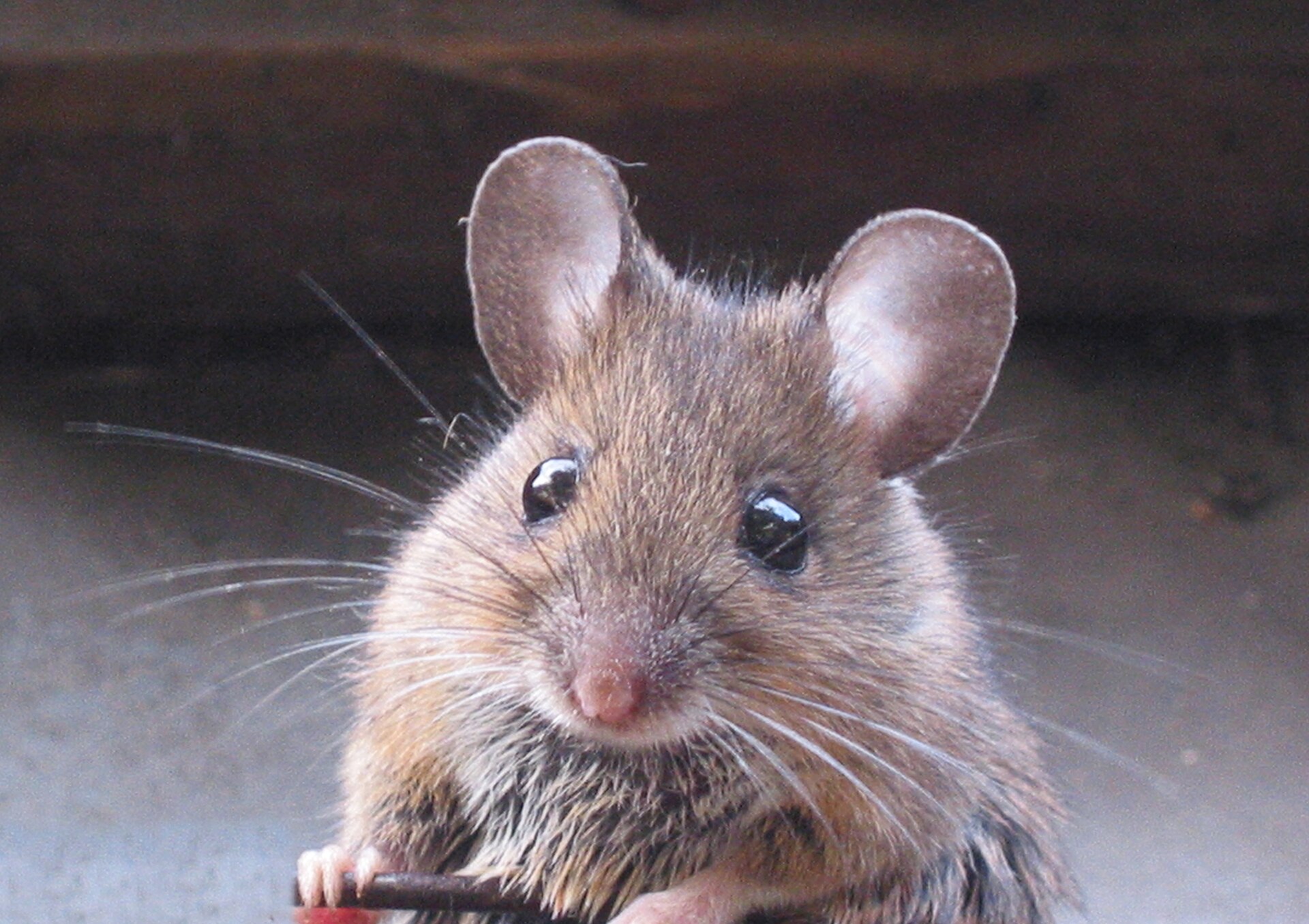
Wood Mouse
Apodemus sylvaticus
Characteristics
Temperament
A small, nocturnal, shy, very agile and lively wild rodent. It spends the day hidden and at night moves in quick bursts, leaping and climbing in search of food. It can be relatively social, but males become territorial in the breeding season. Cautious and always alert, it is a habitual prey of very many predators. It is NOT a pet: it is native wildlife, extremely common but elusive, fundamental to ecosystems. Not to be confused with, or demonized like, the house mouse: it has little to do with human houses.
Diet
Essentially granivorous but with a varied, opportunistic diet. It feeds mainly on seeds, acorns, beechmast, nuts and hazelnuts (the basis of its diet, especially in autumn-winter), as well as fruits, berries and shoots, and on insects, snails and earthworms in spring-summer. Like many rodents it hoards seed stores in underground larders or among the litter and carries food to safety before eating it. By hiding and then forgetting part of the acorns, it unwittingly helps "plant" trees, favouring the renewal of woods.
The Wood Mouse (Apodemus sylvaticus), also called the long-tailed field mouse, is one of the most common small wild mammals in Europe. Famous for:
- Its huge abundance: probably the most abundant and widespread wild rodent on the continent
- Large eyes and ears: adaptations to nocturnal life that give it a sharp, "cute" look
- Agility and leaping: with its long hind legs it jumps and moves in very fast bursts
- The long tail: almost as long as the body, useful for balance
- Its role in the food chain: the prey par excellence of owls, foxes, weasels and snakes
- The "tree-sower": by hiding seeds and acorns, it helps spread trees
IUCN status: Least Concern (LC), extremely common. It enters the portal in the group of murines, alongside the House Mouse and the Brown Rat: the Wood Mouse is the distinctly wild, countryside counterpart of the little house mouse, an animal most of us live near without almost ever seeing it.
Classification and category
Order Rodentia (the rodents), family Muridae, subfamily Murinae — that of the Old World mice and rats. Its genus is Apodemus, the "wood mice". In the portal it is placed among the murines. It is important to tell it apart from similar animals with which it is often confused: the House Mouse (Mus musculus), already in the portal, is greyer, with smaller eyes and ears, a proportionally shorter tail and a characteristic "mousy" smell; it lives in close contact with humans; the yellow-necked mouse (Apodemus flavicollis) is an almost twin relative, distinguishable by a complete yellow "collar" spot on the chest (in the wood mouse it is small or absent); the voles have a stocky, rounded muzzle, short ears and tail: a look very different from the pretty wood mouse. Etymology: "Apodemus" comes from Greek and means roughly "away from home" (that is, of the fields, not the houses); "sylvaticus" means "of the woods". Together they well describe a mouse of the fields and woods, the opposite of the house mouse. Parameters: Head-body length about 8-10 cm. Tail about 7-9.5 cm (almost as long as the body). Weight just 13-27 g. Longevity: very short in the wild, generally a few months and rarely over 1-2 years, due to the enormous predation pressure. Reproduction: extremely prolific, with several litters a year of several young each — a necessary strategy given the high mortality.
Habitat and distribution
The Wood Mouse has a very vast distribution: much of Europe (including Italy), North Africa and part of western Asia. Preferred habitats — it is an extremely adaptable species: woods and forests of every kind, undergrowth, hedgerows; cultivated fields, meadows, fallow land and edges; and gardens, parks and the surroundings of houses; in winter it may enter buildings and sheds, but it is not tied to humans like the house mouse. It is a nocturnal animal, active mainly after dusk, agile and fast. It digs simple underground burrows with chambers for the nest and food stores, but also climbs well among the vegetation. It does not truly hibernate: it stays active all year, using its accumulated supplies in winter. Its adaptability and extraordinary reproductive capacity make it one of the most successful mammals in Europe. IUCN: Least Concern. It is an extremely common, abundant animal, not at all threatened; on the contrary, it is one of the key species at the base of European terrestrial ecosystems.
Diet
The Wood Mouse is essentially granivorous, but with a varied, opportunistic diet. It eats: seeds, acorns, beechmast, nuts and hazelnuts (the basis of its diet, especially in autumn and winter); fruits, berries and shoots; and insects, snails, earthworms and other small invertebrates, especially in spring-summer. Feeding strategies: hoarding (like many rodents, it hides seeds and acorns in underground larders or among the litter, for lean periods); "transporting" food (it carries seeds to safety in the burrow or sheltered spots before eating them); and seasonal opportunism (it switches from seeds in winter to insects in summer, exploiting what the environment offers). Crucially, by hiding and then forgetting part of the acorns and seeds it stores, the Wood Mouse becomes, unwittingly, a valuable "tree-planter": unrecovered seeds may sprout far from the parent plant, contributing to the natural renewal of woods. It is a small but fundamental cog of the forest ecosystem.
Physical features
A small rodent of pretty, slender, "alert" appearance. Fur and colours: brown-tawny upperparts, warm, from grey-brown to sandy-reddish; whitish-grey underparts, markedly paler; often a small yellowish spot on the chest (more reduced than the full collar of the yellow-necked mouse). The body and senses: a slim body with large black eyes and large ears, adapted to nocturnal life; a long tail, almost equal to the body length, used for balance; sturdy hind legs that allow leaps remarkable for its size. Performance: agility and speed (it jumps, runs and climbs with great readiness); very keen senses (night vision, hearing, smell, whiskers); and a "spare" tail (if caught, it can shed the skin of the tail tip to escape the predator).
Behaviour and curiosities
The Wood Mouse is a nocturnal, shy, very lively animal. By day it hides in the burrow or among the vegetation, while at night it becomes extremely active. It can be relatively social, but males are territorial in the breeding season. Although extremely common, it is rarely seen: most people live a few metres from these little mice without noticing them.
The most common mammal in the wood: the Wood Mouse is, in very many European regions, the most abundant small wild mammal of all; its density can be surprising: a single wood or field can host great numbers; this abundance is the basis on which many predators rest, from nocturnal raptors to small carnivores. "Not the house mouse": the Wood Mouse is often confused with the house mouse (Mus musculus), but they are different animals; the Wood Mouse is a distinctly wild animal, of the woods and fields, with larger eyes and ears, warmer colours and a longer tail, and without the typical "mousy" smell; the house mouse, instead, is greyer and closely tied to buildings and humans; telling the two apart helps not to demonize a little wild animal that has little to do with houses. The oak-planter: like squirrels and jays, the Wood Mouse helps "plant" trees; by collecting and hiding large quantities of acorns, beechmast and seeds in scattered larders, it inevitably forgets some of them: these seeds, far from the parent plant and lightly buried, have a good chance of sprouting; thus an animal a few centimetres long takes part, in its small way, in the rebirth of woods. The tail that "slips off": the Wood Mouse has an ingenious emergency escape route; if a predator grabs it by the tail, the skin of the tail tip can come off, letting the mouse escape leaving only a little piece of covering in the attacker's mouth; unlike some lizards, however, the lost part of the tail does not regrow: it is a "one-off" sacrifice, but it can save its life. The "signpost pebbles": some studies have observed a surprising behaviour in these mice: they would move small, visible objects, such as leaves, twigs or pebbles, perhaps using them as "signals" to orient themselves and mark points of the territory during nocturnal explorations; it would be a rare example of the use of "way-markers" in the world of small mammals, though the phenomenon is still being studied. The linchpin of the food chain: the Wood Mouse is one of the most important prey of European ecosystems; owls, tawny owls, foxes, weasels, stone martens, wildcats and snakes depend largely on it and the other small rodents; its population swings, linked to seed availability (such as the bumper years of acorn production), cascade onto all these predators: this is why it is considered a true "keystone species".
Pros
- Specie chiave degli ecosistemi: nutre gufi, volpi, donnole e moltissimi altri predatori
- "Piantatore di alberi" naturale: disperde ghiande e semi favorendo i boschi
- Comunissimo, adattabile e affascinante da osservare (occhioni, salti)
- IUCN Least Concern: nessun rischio, anzi pilastro della biodiversità europea
Cons
- NON è un animale da compagnia: è fauna selvatica autoctona
- Spesso confuso e demonizzato come il topo domestico (con cui ha poco a che fare)
- In inverno può entrare in case e capanni in cerca di riparo e cibo
- Vita brevissima: forte mortalità per la pressione dei predatori