Photo: Ton Rulkens · CC BY-SA 2.0
Pencil cactus
Euphorbia tirucalli
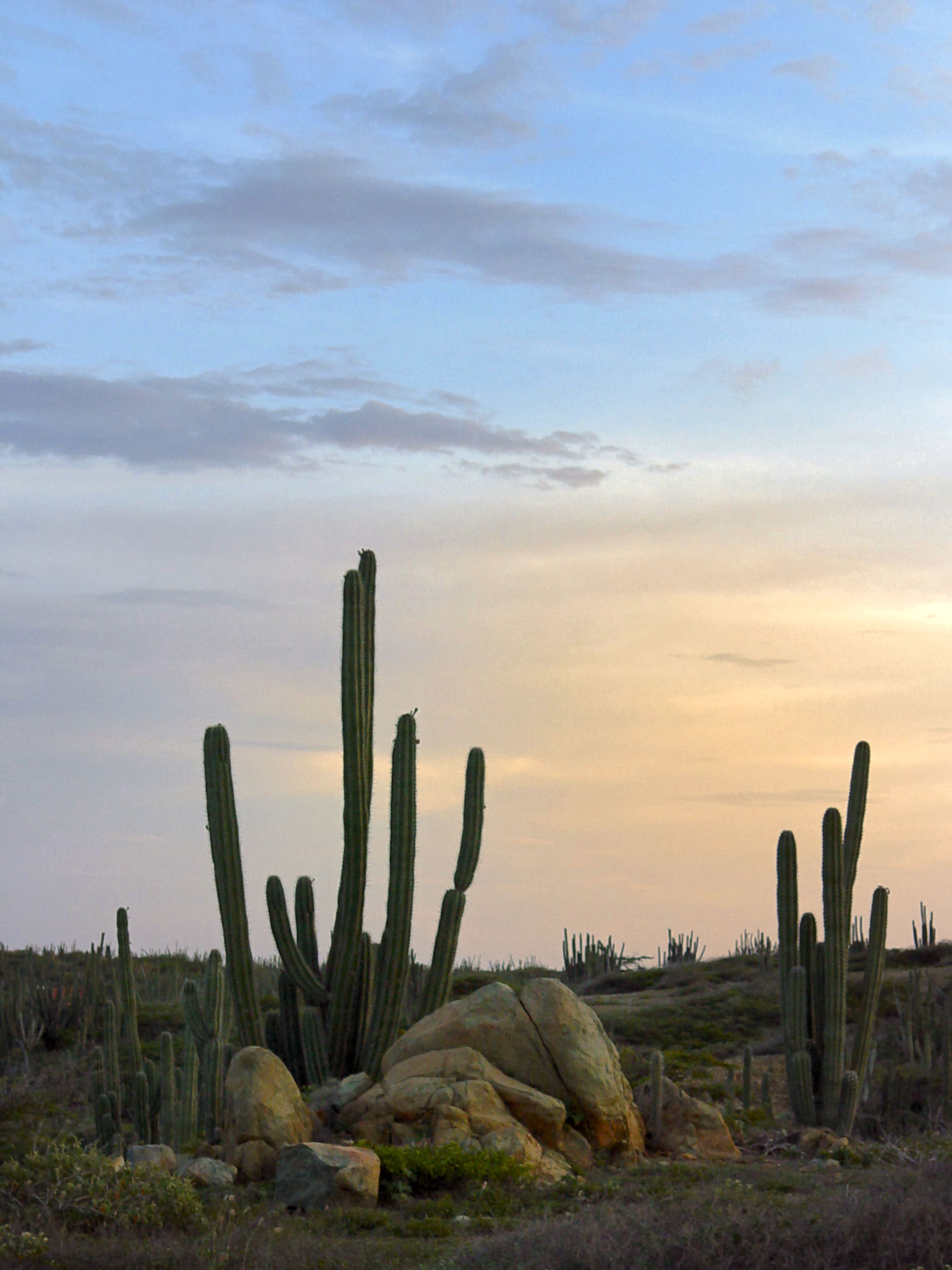
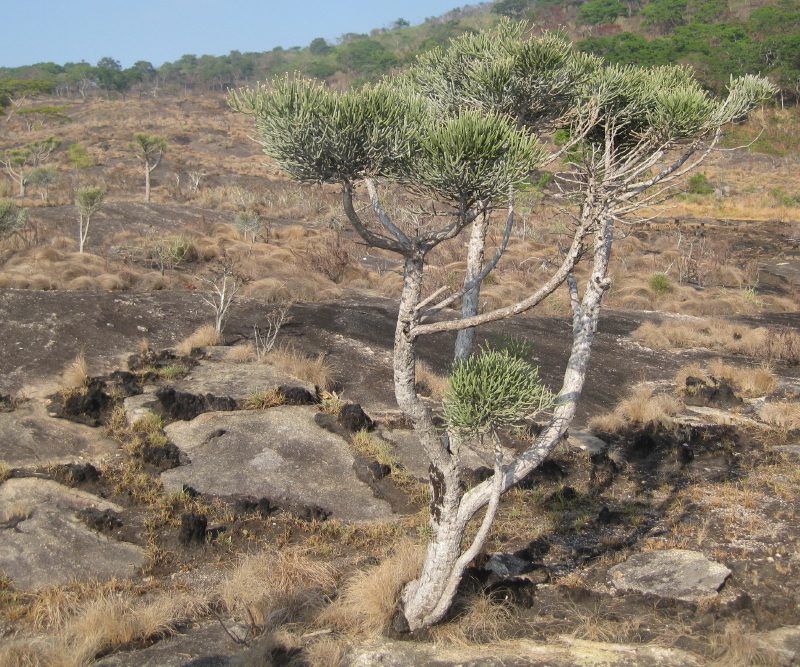
The pencil cactus is an African succulent whose leafless green stems, as thick as a pencil, branch into a tangled, sculptural mass.
Characteristics
Description
The pencil cactus is not a true cactus but a tree-like African succulent with a striking, unusual shape. Instead of leaves it carries a dense mass of slender, cylindrical green stems, each about as thick as a pencil, that branch again and again in every direction. Tiny true leaves appear only at the tips of young shoots and soon drop, so photosynthesis is carried out almost entirely by the stems. In the wild it becomes a small tree, while in a pot it stays a compact, sculptural shrub.
Origin and habitat
It grows wild across the semi-arid regions of eastern and southern Africa, where it withstands long droughts and poor soils. Over time it has been planted throughout the tropics and subtropics as a living hedge, windbreak and ornamental. It loves heat and cannot tolerate frost.
Growing and care
It is one of the easiest succulents to keep indoors or in a frost-free greenhouse. It wants bright light, ideally direct sun, a very free-draining mix and infrequent watering: in summer water only when the soil is bone dry, and in winter withhold water almost entirely. Waterlogging quickly causes the stems to rot.
- Repot only when roots fill the container
- Propagate from stem cuttings, letting the cut callus over for a few days
- Feed sparingly with a heavily diluted cactus fertiliser
Beware the latex
Like all euphorbias, when cut it exudes a milky latex that is highly irritating to skin and eyes. Contact can cause chemical burns and, if it reaches the eyes, temporary blindness. Always handle it with gloves, keep it away from children and pets, and wash off any splashes at once.
Did you know?
Its hydrocarbon-rich latex has been studied as a possible source of biofuel. Many of its common names refer to the pencil-, finger- or antenna-like stems.
Flowering season
Practical tips
Water needs: Low — always check soil moisture before watering.
Prefers Full sun: provide the right light and rotate the plant for even growth.
Recommended soil: Sandy, very free-draining. Refresh the substrate every 1-2 years.
Dust the leaves with a damp cloth to support photosynthesis.
Feed during the growing season (spring-summer) and stop in winter.
Pros
- Very easy to grow and drought-tolerant
- Unusual, sculptural form
- Propagates readily from cuttings
Cons
- Caustic latex dangerous to skin and eyes
- No frost tolerance and hates soggy soil
- Not advisable with children or pets